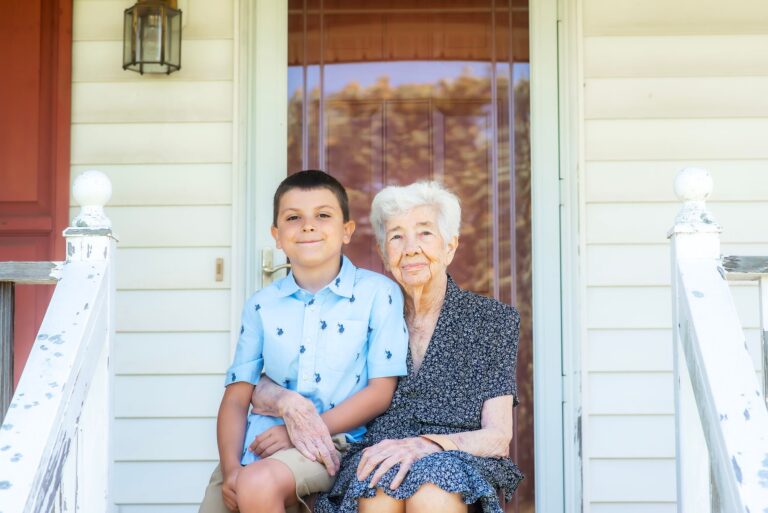
To simplify reminiscence conversations for early-stage dementia, anchor talk to one past theme with a concrete prompt like a photo, song, or keepsake. Reminiscence means structured recall of past experiences, and simple prompts work better than open-ended quizzing. People in early-stage Alzheimer's can still join meaningful conversations and social activities. Ask which communication method feels most comfortable, then keep each exchange short, calm, and focused.
Medical information disclaimer: This article is for general educational purposes only and does not provide medical advice, diagnosis, or treatment. Always consult a physician or other qualified health professional about symptoms, medications, tests, or treatment decisions.
Table of Contents
- How do you set up the conversation?
- What should you actually say?
- Which prompts make recall easier?
- How do you respond when memories wander?
- What are the limits and next steps?
- Frequently Asked Questions
How do you set up the conversation?
Choose a quiet place and reduce background noise and distractions. Focus on one thread at a time so the person can follow easily.
Ask the person to join directly rather than talking around them. Offer simple choices instead of complicated options.
What should you actually say?
Speak clearly and slowly in short, simple sentences. Present one idea at a time, as the U.S.
National Institute on Aging advises in its guidance on communicating with someone who has Alzheimer's. If the person does not understand, rephrase rather than repeat the same words. Try yes-or-no questions such as "Would you like some tea?" before moving to wider topics.
Which prompts make recall easier?
Use a single photo, familiar object, favorite music, or keepsake to start. According to the Alzheimer's Society UK in its overview of approaches for memory loss, concrete prompts anchor talk to a past theme.
Give extra time to respond and maintain eye contact. The NHS recommends this patient pacing in its advice on living with dementia and communication because processing slows and answers may come late.
- Pick one theme per chat, like a wedding, job, holiday, or hometown.
- Hold the object where it can be seen and touched.
- Ask what it brings to mind, not for dates or names.
How do you respond when memories wander?
Acknowledge what was said even if it seems off-topic. Do not argue, correct errors, ridicule, or use a patronizing tone.
Validate feelings and invite the person to say more. Short encouragement keeps connection without pressure to get facts right.
What are the limits and next steps?
Reminiscence aids connection but does not treat dementia. A 2018 Cochrane review of 22 randomized trials with 1,972 participants found no important overall quality-of-life effect, with only small, setting-dependent gains, as summarized in the UCL-hosted abridged review.
Families can build a life-story record or memory box of important people, places, and events. Pause if sad or difficult memories surface, because reminiscence can distress as well as comfort.
Frequently Asked Questions
How long should a reminiscence chat last?
Keep it brief and stop when attention fades. One prompt and a few minutes of relaxed talk is enough.
What if the person becomes upset?
Pause the activity and offer comfort. Return to a calmer topic later, or try a different prompt another day.