When and How Often to Offer Doll Therapy for Late-Stage Dementia

Learn when to offer a dementia doll, how to adjust its use, and which reactions mean you should stop.
Learn when to offer a dementia doll, how to adjust its use, and which reactions mean you should stop.

Learn what trial close-out may mean for treatment access, results, monitoring, and the caregiver supporting participation.

A pharmacist can identify opposing drug effects, cognitive risks, retention concerns, and safer questions for the prescribing team.
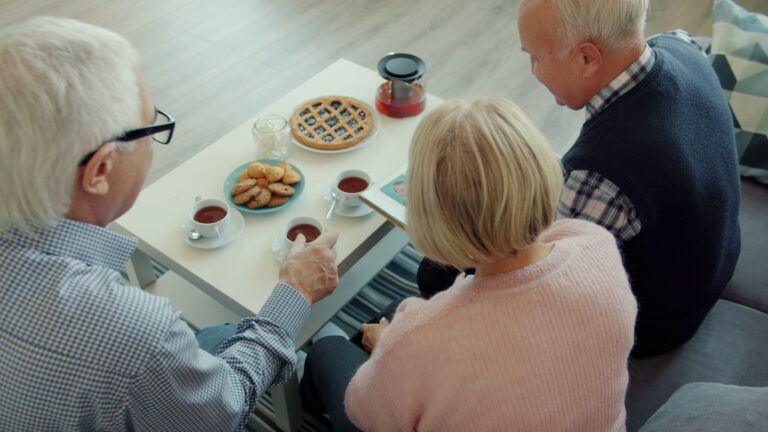
Make baking manageable and enjoyable by choosing familiar roles, simplifying instructions, adapting participation, and checking kitchen safety.

Emergency teams can reduce danger by recognizing Lewy body medication sensitivity, treating acute triggers, and monitoring closely when drugs are unavoidable.

Plan a calmer, more respectful barber visit by adapting the routine, setting, communication, and grooming steps.

Small changes to kitchen noise, conversation, and meal preparation can help caregivers identify a calmer setting for eating.

Adapt jigsaw puzzles around ability, interest, and comfort, from familiar hobbies to simple sensory play as dementia progresses.

A clear request for one person, one time, and one task can turn vague family pressure into a workable dementia care plan.

Learn which privacy protections apply, what genetic results can reveal, and what to ask before sharing dementia test data.
HelpDementia.com
Dementia, Alzheimer's, Caregiving & Healthy Aging Guidance
© 2026 HelpDementia.com. All rights reserved.
Educational information only. It is not medical advice and does not replace care from a qualified clinician.