Adapt indoor gardening for early-stage dementia by keeping plants small, tasks simple, and help close by. Use a tabletop planter with non-toxic, easy-care plants and repeat one or two familiar steps each day. Early-stage dementia brings mild memory loss while many daily skills stay intact.
Indoor gardening moves familiar outdoor steps inside for year-round practice. Alzheimer's Society UK says home gardening can ease stress, boredom and anxiety. It can also engage senses and memory, as explained in its gardening and outside spaces guide.
Medical information disclaimer: This article is for general educational purposes only and does not provide medical advice, diagnosis, or treatment. Always consult a physician or other qualified health professional about symptoms, medications, tests, or treatment decisions.
Table of Contents
- Which tasks fit best?
- How do you make the space safe?
- What does a simple daily routine look like?
- What helps, and what are the limits?
Which tasks fit best?
Pick tasks the person can still do with confidence. Good choices use hands, senses, and short sequences. Familiar actions work better than new skills. Offer one task at a time and keep the sequence the same.
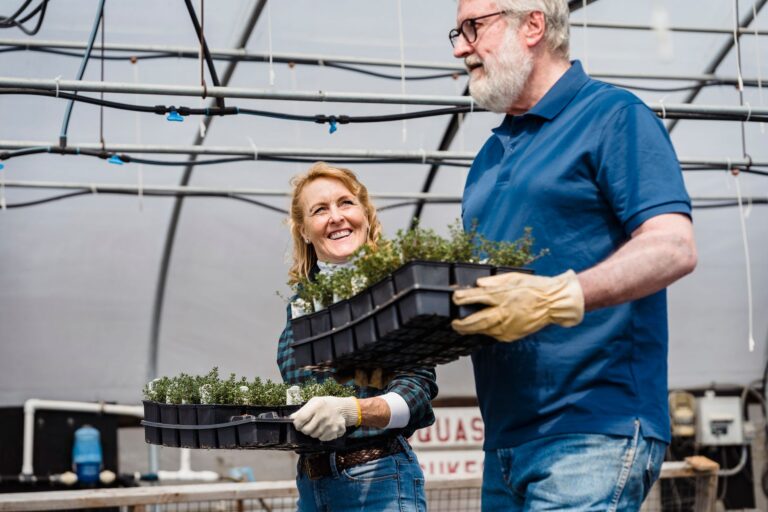
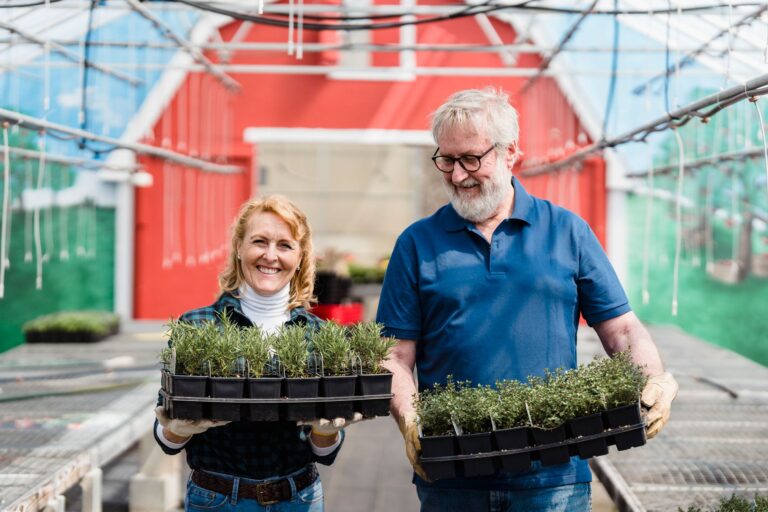
Sowing large seeds, watering with a small can, pinching off spent blooms, and picking herbs or cherry tomatoes give clear feedback. Let the person smell soil, touch leaves, and choose what to harvest. Stay nearby and guide with short cues. Hand over one tool, show the next step, and allow extra time. Switch tasks if attention fades.
How do you make the space safe?
Use a sturdy table, bright light, and a clutter-free floor. Keep the planter at waist height to avoid bending and reaching. Safety adaptations for dementia gardens include only non-toxic thornless plants, bright lighting and secure blunt tools, according to Gardening Know How's accessible gardening guide.
Choose unbreakable pots, a non-slip mat, and a small watering can. Store sharp tools, chemicals, and small loose parts out of reach. Wipe spills right away and keep cords and clutter off the path.
What does a simple daily routine look like?
Tie gardening to the same time each day, such as after breakfast. Keep sessions short, calm, and repeatable. End while the activity still feels pleasant.
Use the same words and order each day. A wall chart with two boxes, water and harvest, helps track progress. Praise effort and display picked herbs in a cup.
- Check soil with a finger and water only if dry
- Remove one or two spent blooms or yellow leaves
- Harvest one herb sprig or vegetable
- Wipe the table and put tools away
What helps, and what are the limits?
A 2024 meta-analysis of 9 trials with 655 older dementia patients linked horticultural therapy to better cognitive scores. It also linked the therapy to less depression and better daily activities and quality of life, as reported in the PubMed record. Most indoor-garden evidence comes from small pilots and short programs.
Benefits vary by dementia severity and do not stop disease progression, note authors of a 2025 pilot summary in the PMC research archive. Keep tasks simple, supervised, repeatable, and tied to daily routine. Stop the session if frustration rises and try again later the same day.