The 2026 WHO guideline recommends social activities to reduce decline risk for adults with normal cognition or mild memory changes, including many over 65. Useful clinician questions cover calls, lunches, clubs, community activities, plus memory and thinking activities matched to health needs.
Mild cognitive impairment means early memory slips that do not block daily tasks. The World Health Organization states up to 45% of dementia risk reflects modifiable factors, so prevention or delay is possible through health and lifestyle action, according to the World Health Organization announcement. The social-activity guidance applies to people with normal cognition or mild cognitive impairment.
Medical information disclaimer: This article is for general educational purposes only and does not provide medical advice, diagnosis, or treatment. Always consult a physician or other qualified health professional about symptoms, medications, tests, or treatment decisions.
Official resources:
- Read the official guidance from NIH — Use this primary source to verify the official guidance.
- Read the official guidance from Who — Use this primary source to verify the official guidance.
Table of Contents
- What the new guidance recommends
- How strong is the social-connection evidence
- Which questions help make a plan
- How to tailor action after 65
What the new guidance recommends
The guideline newly recommends engagement in social activities for adults with normal cognition or mild cognitive impairment. The Pan American Health Organization reporting on the guidance places that advice within broader life-course prevention, according to the Pan American Health Organization summary.
WHO lists social isolation alongside tobacco use, alcohol use, physical inactivity, air pollution, hypertension, and diabetes as modifiable risks. There is no cure for dementia itself, so reducing these risks aims to prevent or delay decline.
How strong is the social-connection evidence
The social-activity recommendation is conditional with low to very-low certainty of evidence. It suggests possible benefit rather than proving that loneliness causes dementia.
Coverage of the guideline estimates that eliminating loneliness could prevent about 5% of dementia cases. Social interaction may build cognitive reserve by slowing decline, meaning the brain copes better with age-related change.
Which questions help make a plan
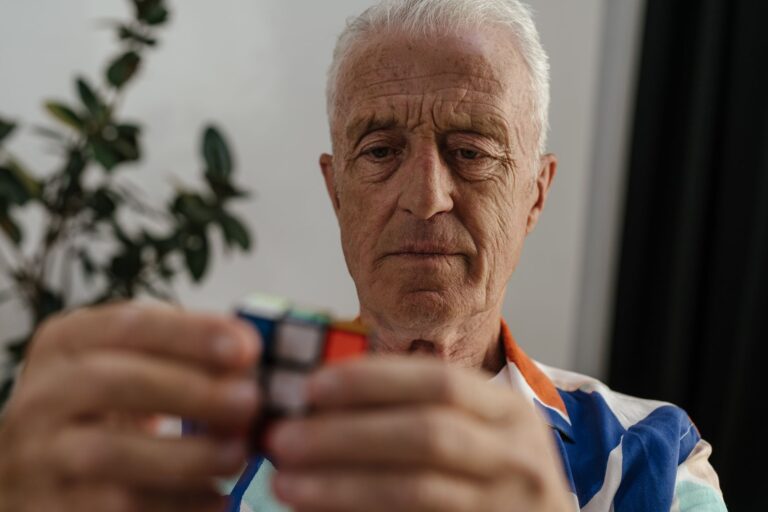
Ask what type and frequency fit current life. Ask how to combine social contact with thinking activities such as classes, games, volunteering, or discussion groups.
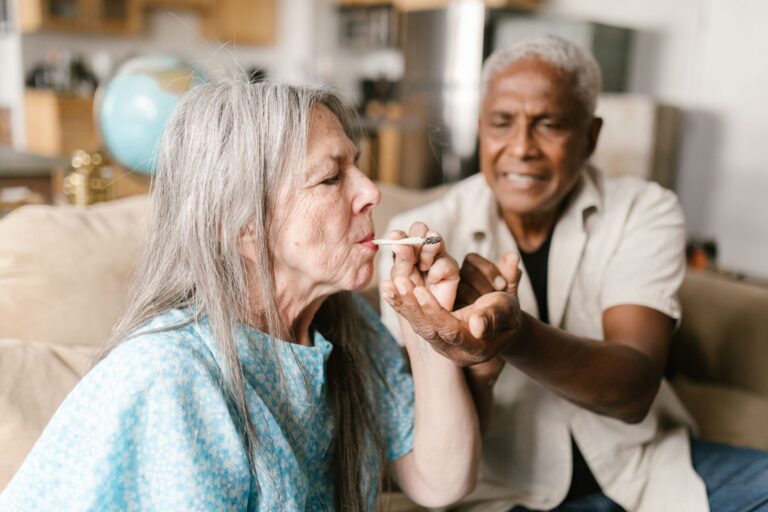
A summary of the July 2026 guidance suggests practical examples such as regular calls, lunches, clubs, and community activities, tailored to hearing, mobility, and health needs, according to the Psychology Today summary. Use that list as a starting point, not a prescription.
- How often should I schedule calls, visits, meals, or group meetings
- Which local clubs, classes, faith groups, or volunteer roles fit my interests
- Which thinking activities pair well with social time for me
- What barriers need fixing first, such as hearing, vision, mood, transport, or pain
How to tailor action after 65
Tell the clinician about hearing loss, mobility limits, fatigue, caregiving duties, and distance from family. These factors change which activities are realistic and safe.
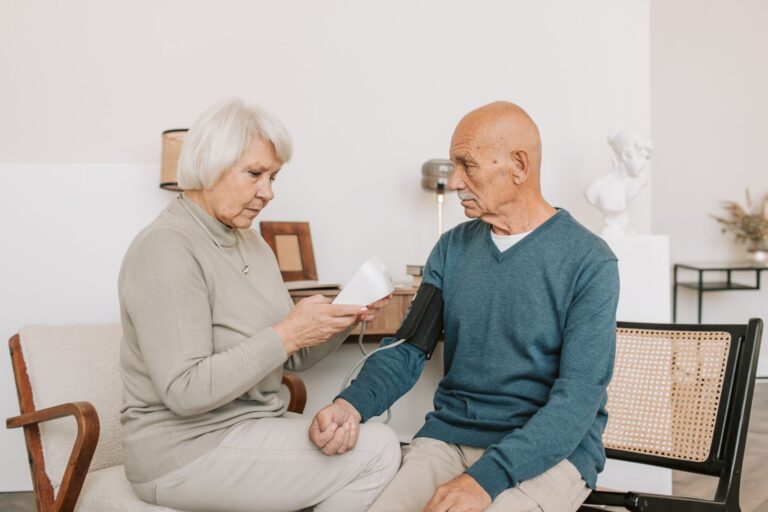
Ask whether hearing aids, mobility aids, depression care, blood-pressure control, diabetes care, exercise, or smoking and alcohol support should come first. Better hearing and movement often make social plans easier to keep. End the visit with one or two named activities, a weekly frequency, and a follow-up date.
You Might Also Like
- Hearing Aids in the 2026 WHO Dementia Guideline: Questions Adults Over 65 Can Discuss With a Clinician
- Diabetes in the 2026 WHO Dementia Guideline: Questions Adults Over 65 Can Discuss With a Clinician
- Blood Pressure in the 2026 WHO Dementia Guideline: Questions Adults Over 65 Can Discuss With a Clinician