Airport operations are gradually returning to normal across the United States and internationally, but the timeline varies significantly by facility and the underlying causes of disruption. As of March 2026, most major airports have restored flights following temporary closures and weather-related shutdowns, though full capacity remains elusive due to unforeseen challenges—particularly a critical staffing shortage affecting airport security. For people with dementia and their caregivers, understanding the current state of airport operations is essential when planning necessary medical travel or family visits, as delays and extended wait times can significantly impact someone with cognitive decline.
This article examines what “returning to normal” actually means in practice, explores the specific disruptions that occurred in March 2026, and discusses the persistent obstacles preventing complete recovery. We’ll cover international incidents, major U.S. airport disruptions, the TSA staffing crisis that’s complicating security screening, and practical considerations for travelers—especially those managing travel arrangements for someone with dementia who may have difficulty tolerating unexpected delays or environmental stress.
Table of Contents
- How Did Recent Airport Disruptions Begin?
- Why Is Complete Recovery Taking Longer Than Expected?
- Which International Airports Have Already Recovered?
- What Do Current Delay Numbers Tell Us About Airport Operations?
- When Does “Gradual Recovery” Become a Real Problem for Caregivers?
- What Should Caregivers Know About Travel Volumes During This Period?
- Looking Forward: When Will Operations Truly Return to Normal?
- Conclusion
How Did Recent Airport Disruptions Begin?
Several specific incidents triggered disruptions across major airports in March 2026. On March 16, Dubai International Airport experienced a temporary closure following a drone-related fire at a nearby fuel tank. While the incident was serious enough to halt operations, flights resumed in limited capacity by late afternoon the same day, demonstrating how quickly modern airport operations can recover from physical incidents when the underlying infrastructure remains intact. The incident affected thousands of passengers but was resolved within hours.
In North America, multiple airports faced weather-related and infrastructure challenges. Denver International Airport experienced a power outage that disrupted operations, while Cherry Capital Airport in Traverse City, Michigan, underwent a complete 48-hour shutdown due to severe winter storms. Meanwhile, Grantley Adams International Airport in Barbados dealt with disruptions stemming from labor action by air traffic controllers. For caregivers planning travel to medical appointments, these incidents underscore why flexibility in booking and advance contingency planning are critical—even airports with strong operational records can face unexpected closures.
Why Is Complete Recovery Taking Longer Than Expected?
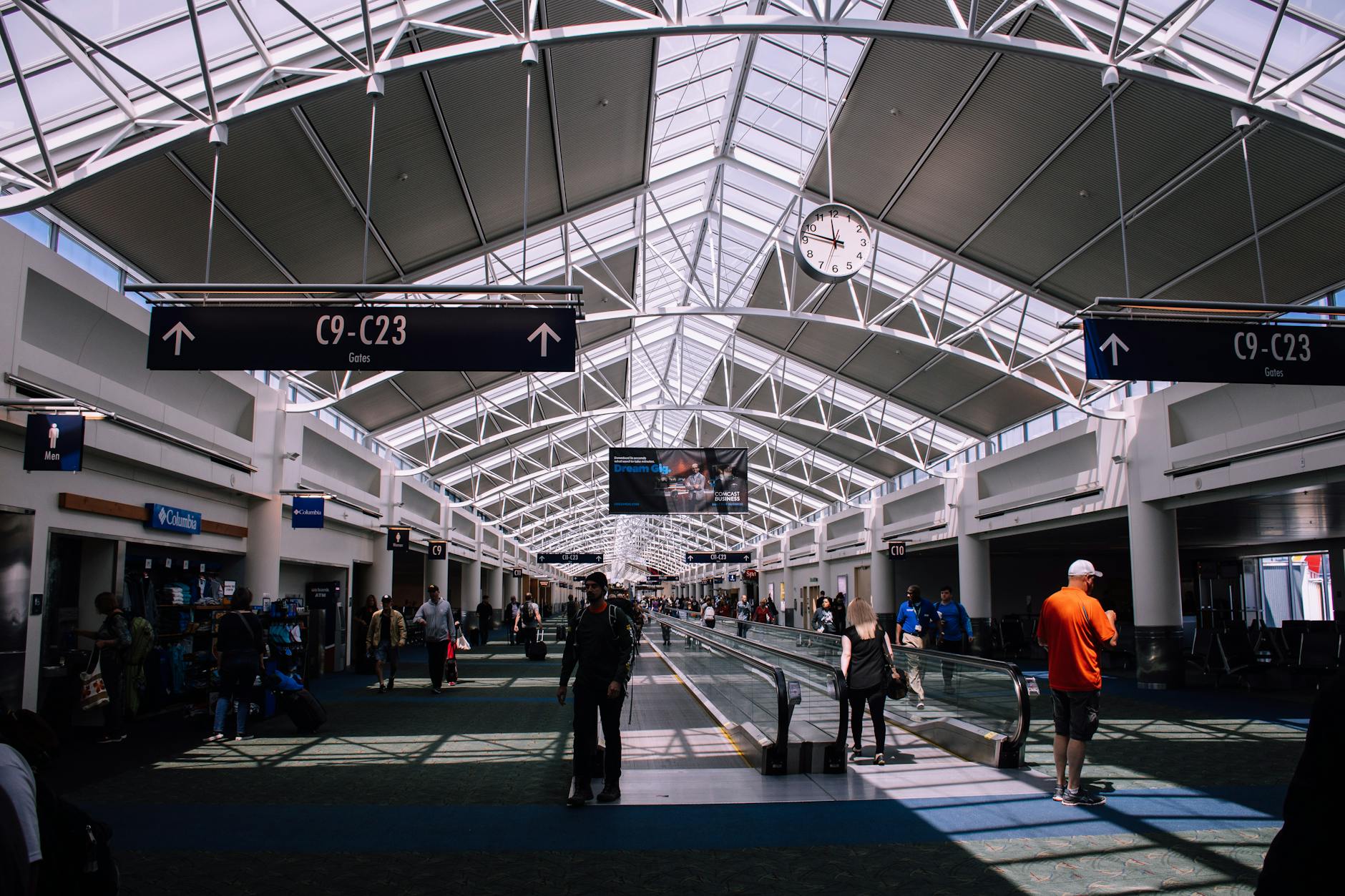
The most significant barrier to normal operations isn’t airport infrastructure or weather—it’s a critical shortage of Transportation security Administration (TSA) staff. Approximately 50,000 TSA employees have worked without pay since February 14, 2026, when a government shutdown began. The financial strain has been severe: more than 300 TSA officers have quit their positions entirely, and sickness rates have climbed to alarming levels. In Houston, over 50% of TSA staff called out sick on peak travel days, while nearly one-third of staff in Atlanta and New Orleans did the same. When security screening is understaffed, even airports with fully operational runways and terminals experience cascading delays.
This staffing crisis has a direct and measurable impact on passenger experience. On March 20-21 alone, Dallas-Fort Worth Airport recorded 270 delays and 5 cancellations, while Orlando Airport experienced 199 delays and 15 cancellations—representing approximately 18% of that airport’s daily operations. For someone with dementia managing extended wait times, this is more than an inconvenience. Cognitive decline often makes prolonged waiting, confusion about delays, and unfamiliar security processes particularly stressful. The unpredictability introduced by staffing shortages means caregivers cannot reliably predict how long security screening will take, making travel coordination significantly more challenging.
Which International Airports Have Already Recovered?
Emirates airline, which was heavily impacted by the Dubai incident, announced it was targeting a return to 100% capacity within days of the March 16 disruption. This rapid recovery reflects the airline’s operational resilience and the relatively contained nature of the incident—damage was localized to ground infrastructure rather than the terminal or runways themselves. By March 18, just two days after the incident, airline and airport officials were confident enough to project full resumption. For international travelers, this demonstrates that many airports with robust management can recover quickly from acute incidents, provided staffing levels remain adequate.
Barbados’s Grantley Adams International Airport also gradually returned to normal operations in early March 2026 following the temporary airspace shutdown caused by labor action. These cases show that airports with diverse international traffic and established recovery protocols can normalize operations within days. However, the distinction between these international cases and the North American situation is important: when the disruption is physical (a fire, weather) or political (labor action with a defined endpoint), recovery can be relatively swift. When the disruption is staffing-related and ongoing—as with the TSA shortage—recovery is much slower and less predictable.

What Do Current Delay Numbers Tell Us About Airport Operations?
The data from March 20-21 provides a clear snapshot of where major U.S. airports stood as of mid-March 2026. Beyond Dallas-Fort Worth and Orlando, San Francisco Airport recorded 67 delays and 3 cancellations, JFK recorded 119 delays and 8 cancellations, and San Diego recorded 89 delays and 3 cancellations. These numbers represent a mixture of weather-related delays, staffing constraints, and cascading effects from earlier disruptions. The variation across airports is notable: Orlando experienced 18% of its operations disrupted, a significantly higher rate than San Francisco’s disruption rate, suggesting that staffing challenges affect different airports with varying severity depending on local factors.
For caregivers coordinating medical travel or important appointments, these percentages matter. When one in five flights at an airport is delayed or canceled, building in substantial buffer time becomes necessary. This is particularly important for someone with dementia, who may struggle with extended waits and unexpected itinerary changes. The comparison between airports also highlights a crucial point: even as major hubs gradually return to normal, some remain more disrupted than others. Booking through less-impacted airports, even at greater distance, may reduce stress and uncertainty for vulnerable travelers.
When Does “Gradual Recovery” Become a Real Problem for Caregivers?
The TSA staffing crisis represents a structural problem that won’t resolve as quickly as a power outage or weather event. While airport infrastructure has recovered in most cases, security screening—the unavoidable first step for any air traveler—remains compromised. For someone managing a trip with a family member experiencing cognitive decline, extended waits at security screening can create behavioral challenges, anxiety, and fatigue before the person even boards the aircraft. Delays of 30 minutes to an hour are common, and at peak times, some travelers report waits exceeding two hours.
A critical limitation of the current situation is that wait times remain unpredictable. Unlike a known weather delay or announced maintenance closure, TSA staffing can fluctuate daily based on sickness rates and staffing levels. Caregivers cannot simply book an earlier flight and guarantee they’ll clear security in time—the actual wait time is essentially a variable beyond their control. This unpredictability is fundamentally different from a temporary disruption with a clear resolution date. If TSA staffing doesn’t improve, caregivers may need to accept that airport travel with someone who has dementia carries increased risk of missing connections or experiencing significant stress, at least until the government shutdown resolves and normal staffing levels resume.
What Should Caregivers Know About Travel Volumes During This Period?
The spring travel season coincides with airport recovery efforts, adding another layer of complexity. Approximately 2.8 million people are projected to travel on U.S. airlines daily throughout March and April 2026, totaling a record 171 million passengers for the season. This volume means that airports are recovering while simultaneously handling near-record passenger loads.
Even when infrastructure is functioning normally, airports that are understaffed will struggle with this volume. For a caregiver planning travel during this period, the timing itself matters. Mid-day flights and weekday departures typically experience fewer delays than early-morning and weekend flights when staff shortages tend to be most acute. Choosing travel times strategically, combined with arriving at the airport even earlier than usual, can help mitigate the unpredictability. The specific example of Orlando’s 18% disruption rate suggests that some airports are more affected than others by the volume-plus-staffing problem, so routing choices can meaningfully impact the travel experience.
Looking Forward: When Will Operations Truly Return to Normal?
The pace of recovery depends on two distinct timelines. Airport infrastructure itself is recovering quickly—most facilities damaged by weather or isolated incidents are already operational. However, the TSA staffing crisis will only resolve when the government shutdown ends and employees resume normal payroll status, allowing morale to recover and reducing the ongoing exodus of trained personnel. Until that occurs, passengers can expect elevated wait times and reduced predictability, even at airports with fully operational terminals and runways.
The distinction between infrastructure recovery and operational normalization is important for planning purposes. Airport operators have demonstrated they can restore physical operations quickly, but the human element—adequate staffing at security checkpoints—remains the constraint. For someone traveling with a family member who has dementia, understanding that “normal” in March 2026 still means longer security waits, higher cancellation rates, and greater unpredictability than pre-shutdown conditions is essential for realistic planning. As the spring travel season progresses, conditions may improve if government shutdown resolution leads to rapid TSA rehiring and staffing stabilization.
Conclusion
Airport operations are gradually returning to normal, but the timeline and extent of that recovery vary significantly. Major airports have restored flights following specific incidents like Dubai’s fuel tank fire and weather-related closures, and international carriers are targeting full capacity within days of disruptions. However, the ongoing TSA staffing shortage—affecting approximately 50,000 employees working without pay since February 14, 2026—continues to limit how “normal” operations can actually be.
Until staffing levels recover, travelers should expect delays, extended security waits, and reduced predictability. For caregivers coordinating travel with someone who has dementia, the current environment requires thoughtful planning. Build in substantial buffer time for security screening, consider less-impacted airports even at greater distance, and strategically choose travel times to avoid peak congestion. While airport operations continue their gradual recovery, the human factors affecting security screening remain the primary constraint on fully normal operations, and this situation will likely persist until the government shutdown resolves and the TSA can rebuild its workforce.