Yes, airport security lines are currently stretching well outside terminals across the United States, with some passengers waiting three or more hours to pass through security checkpoints. This unprecedented surge in delays stems directly from a Department of Homeland Security government shutdown that began February 14, 2026, leaving approximately 50,000 TSA workers unpaid and prompting at least 376 agents to quit. On March 21, 2026, George Bush Intercontinental Airport in Houston recorded wait times exceeding three hours, while Atlanta reported security lines wrapping around baggage claim areas with delays approaching three hours.
For seniors and individuals with dementia or cognitive concerns, these extended wait times create real health and safety challenges that deserve careful planning and consideration. This article addresses the current airport line crisis and what it means for older travelers and their caregivers. We’ll explain why this is happening, how long waits specifically impact those with dementia, practical strategies for managing airport security during peak demand, and guidance on recognizing when conditions are too difficult for vulnerable travelers. Understanding the scope of current disruptions helps families make informed decisions about timing, route selection, and support needs.
Table of Contents
- Why Are Airport Security Lines Stretching Outside Terminals Right Now?
- How Extended Airport Waits Affect Older Travelers and Those with Dementia
- Regional Variations in Airport Line Severity
- Practical Planning Strategies for Vulnerable Travelers
- Health Risks During Long Airport Waits
- Using TSA Resources and Real-Time Wait Time Information
- Timeline for Recovery and Future Travel Outlook
- Conclusion
Why Are Airport Security Lines Stretching Outside Terminals Right Now?
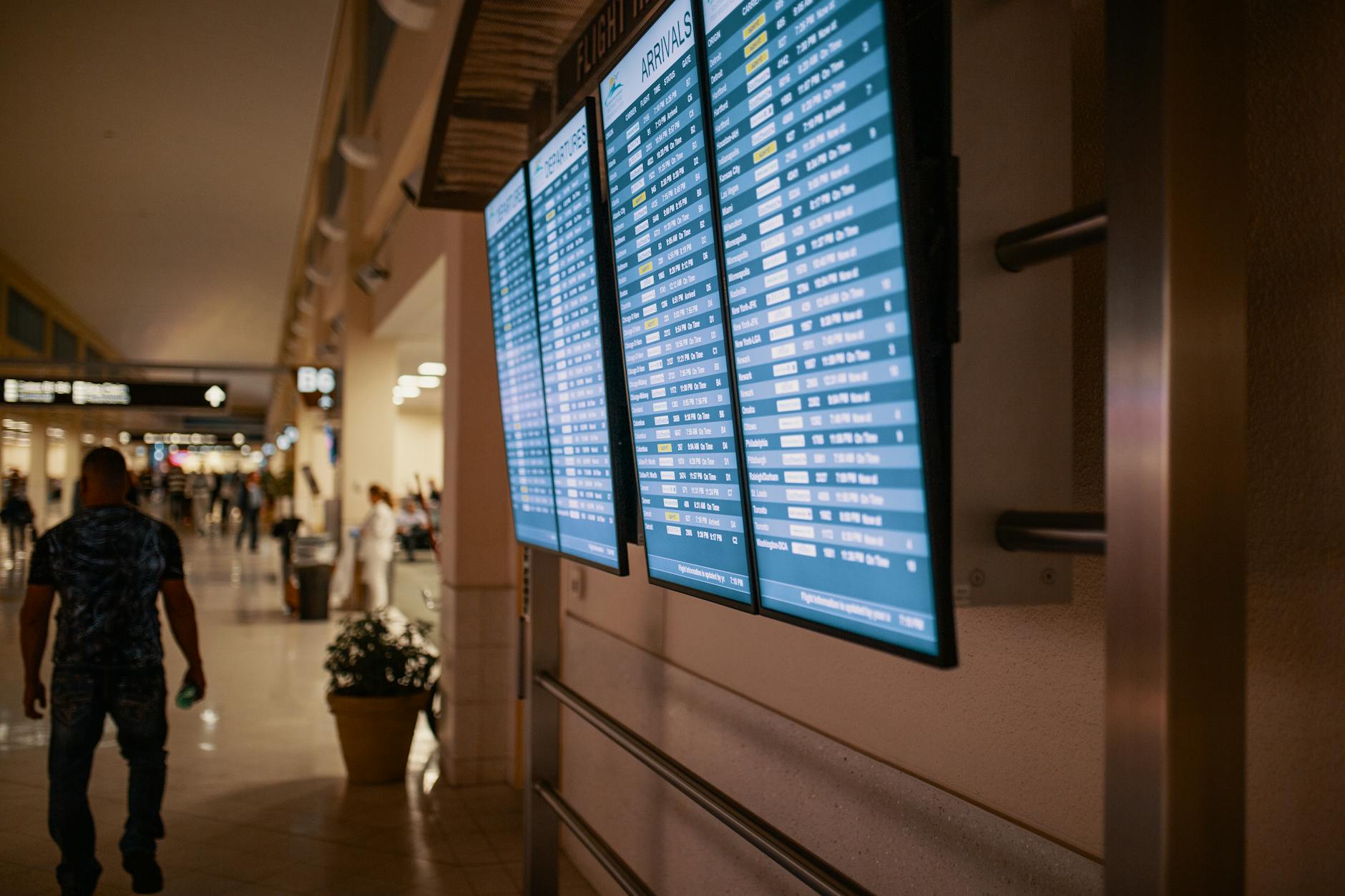
The root cause is straightforward: the federal government shutdown has left the Transportation security Administration severely understaffed. With 50,000 TSA workers operating without pay since mid-February, many officers have left the workforce entirely. Houston experienced nearly 50 percent of TSA staff calling out sick on certain days, while Atlanta and New Orleans reported nearly one-third of staff absent. Philadelphia closed three entire security checkpoints due to short staffing. The timing is particularly acute because March and April represent peak spring break travel season, with 2.8 million passengers projected per day across U.S.
airlines—a total of 171 million passengers during this period alone. This combination of reduced staffing and maximum travel demand creates bottlenecks that extend far beyond what airports normally experience. On a single Friday morning in Houston, security wait times reached 120 minutes. At LaGuardia Airport, the cascading delays disrupted operations so severely that 212 flights were delayed and 8 were cancelled. Charlotte Douglas International reported 185 delayed flights and 3 cancellations. These aren’t isolated incidents but patterns repeating across major hubs nationwide, indicating a systemic capacity crisis rather than localized problems.
How Extended Airport Waits Affect Older Travelers and Those with Dementia
For seniors and individuals with dementia, standing in crowded, loud security lines for extended periods creates multiple physical and cognitive stressors. Prolonged standing can trigger pain, fatigue, and circulation problems. The sensory environment of busy airports—fluorescent lights, announcements, crowds—can accelerate cognitive fatigue and increase confusion in people with dementia. Additionally, the unpredictability of wait times means caregivers cannot reliably plan medication schedules, bathroom breaks, or rest periods.
However, if your travel is essential and cannot be delayed, there are specific accommodations and strategies detailed in the section below that can reduce these stressors. TSA offers a Medical conditions or Disability accommodation process, though this requires advance notice and documentation. Passengers with documented medical conditions or mobility limitations can request additional screening assistance, and some airports allow companions to remain closer during screening. The problem is that most of these accommodations require advance notification and knowledge that they exist—information not widely publicized to families managing travel arrangements for elderly parents.
Regional Variations in Airport Line Severity
Wait times vary significantly by airport and time of day, which means planning departure time strategically can matter. Houston’s IAH airport experienced some of the worst delays, with 120-minute waits reported on March 20, 2026. New Orleans experienced such severe congestion that security lines reportedly stretched into the parking garage. Fort Lauderdale-Hollywood International Airport reported long lines persisting through at least March 22. By contrast, smaller regional airports typically experience shorter delays, though data for all locations isn’t equally available.
If you have flexibility in which airport to use, comparing wait time reports before travel day can help—NPR and CNN have published real-time TSA wait time resources. Some airports have closed security checkpoints entirely due to staffing: Philadelphia closed three lanes simultaneously. This concentrates remaining capacity into fewer screening areas, making delays worse at those remaining stations. The lesson for caregivers is that arrival planning must account for specific airport conditions, not generic “arrive two hours early” guidance. Current guidance suggests arriving 30-60 minutes earlier than usual, but at severely affected airports like Houston or New Orleans, even this may not be sufficient.
Practical Planning Strategies for Vulnerable Travelers
Arrive earlier than you think necessary—and plan even more buffer time if traveling through Houston, New Orleans, Atlanta, or Philadelphia. For seniors and dementia patients, arriving 2.5 to 3 hours before departure is safer than the standard 2-hour recommendation. This isn’t just about avoiding missed flights; it reduces the cognitive stress of rushing and allows time to rest between check-in and security screening. Request TSA PreCheck or REAL ID verification ahead of time if eligible, as these expedited programs move passengers through lines faster. For dementia patients traveling with caregivers, pre-register with TSA through their Medical Conditions accommodation process if your family member has documented cognitive or physical limitations.
Bring comfort items and medications in carry-on bags, and plan for the reality that you may be standing or sitting for extended periods. Pack a small cushion or folding seat if possible—this helps during waits and provides positioning support. Arrange for your companion to have printed copies of any medical documentation, medication lists, and caregiver contact information. If your family member becomes confused or distressed during security screening, having this information immediately accessible helps airport staff assist appropriately. Split your party’s travel if one person’s health condition makes extended waiting unsafe; one caregiver can travel with the senior while another handles luggage separately.
Health Risks During Long Airport Waits
Extended standing during security lines poses genuine physical risks for seniors, including blood clots (deep vein thrombosis) if standing is prolonged, falls due to fatigue or balance changes, and medication timing disruptions if waits delay normal medication schedules. For individuals with dementia, cognitive decline can accelerate during high-stress, overstimulating environments, potentially triggering behavioral changes or increased confusion that last beyond the airport experience.
Dehydration is another risk—people often minimize fluid intake while traveling because bathroom access is uncertain, but prolonged waits without hydration compound fatigue and confusion. Mitigation requires active management: drink water consistently throughout waiting periods, sit or rest frequently even if it means moving back in line, ask for a wheelchair or mobility assistance from airport staff if standing becomes difficult (this is not shameful and is specifically intended for this purpose), and plan for bathroom breaks as part of your timeline rather than viewing them as delays. If your family member’s condition involves anxiety or behavioral changes during crowded situations, speak with their healthcare provider about whether short-term medication adjustment might reduce travel-related stress.

Using TSA Resources and Real-Time Wait Time Information
The TSA and major news outlets now publish real-time or near-real-time security wait time data. Before booking travel, before arriving at the airport, and especially before your intended departure date, check these resources to understand conditions at your specific airport and terminal. Some airports publish wait times by security checkpoint, allowing you to choose the least congested lane. NPR published comprehensive travel tips for this period, and CNN has live updates on TSA wait times updated daily.
Download the MyTSA app or check the TSA website for your airport’s estimated wait times. Some airports also post wait times on their own websites. For dementia patients traveling with caregivers, reviewing this information before travel reduces surprise and uncertainty, which can help reduce anxiety. Build your arrival time estimate based on actual reported data at your specific airport, not generalized guidelines.
Timeline for Recovery and Future Travel Outlook
As of mid-March 2026, the government shutdown remains unresolved, meaning this situation will persist at least through the remainder of spring break season. Recovery will depend on shutdown resolution and TSA’s ability to rehire and retrain replacement staff. Even after shutdown resolution, it typically takes weeks to restore full security staffing and return wait times to normal.
If you’re planning summer travel with elderly family members, monitor news and TSA staffing updates closely; summer may represent a transitional period with improving but still-elevated wait times. For families managing dementia care across extended timeframes, consider whether spring travel can be postponed to avoid peak season disruptions. Summer travel, once staffing improves, may offer more manageable airport conditions. If travel must happen during this period, the planning and accommodation strategies outlined here become essential rather than optional.
Conclusion
Airport security lines stretching outside terminals represent a real, ongoing disruption caused by federal workforce shortages during peak travel season. For seniors and individuals with dementia, these delays create more than mere inconvenience—they introduce health risks, cognitive stressors, and logistical challenges that require careful planning to navigate safely. The key to managing this situation is preparation: arrive much earlier than standard guidance, use TSA accommodations if eligible, check real-time wait information specific to your airport, and plan for extended periods of standing or sitting in crowded environments.
If your loved one has dementia or significant health challenges, honestly assess whether this travel period is necessary or whether delaying to a later season would be safer. If travel must proceed, implement the practical strategies outlined here, bring medical information and medications in accessible locations, and arrange for sufficient caregiver support. Contact your airport in advance about accommodation services, and remember that using wheelchairs, assistance, or expedited screening isn’t an inconvenience—it’s a reasonable accommodation that exists for exactly these circumstances.