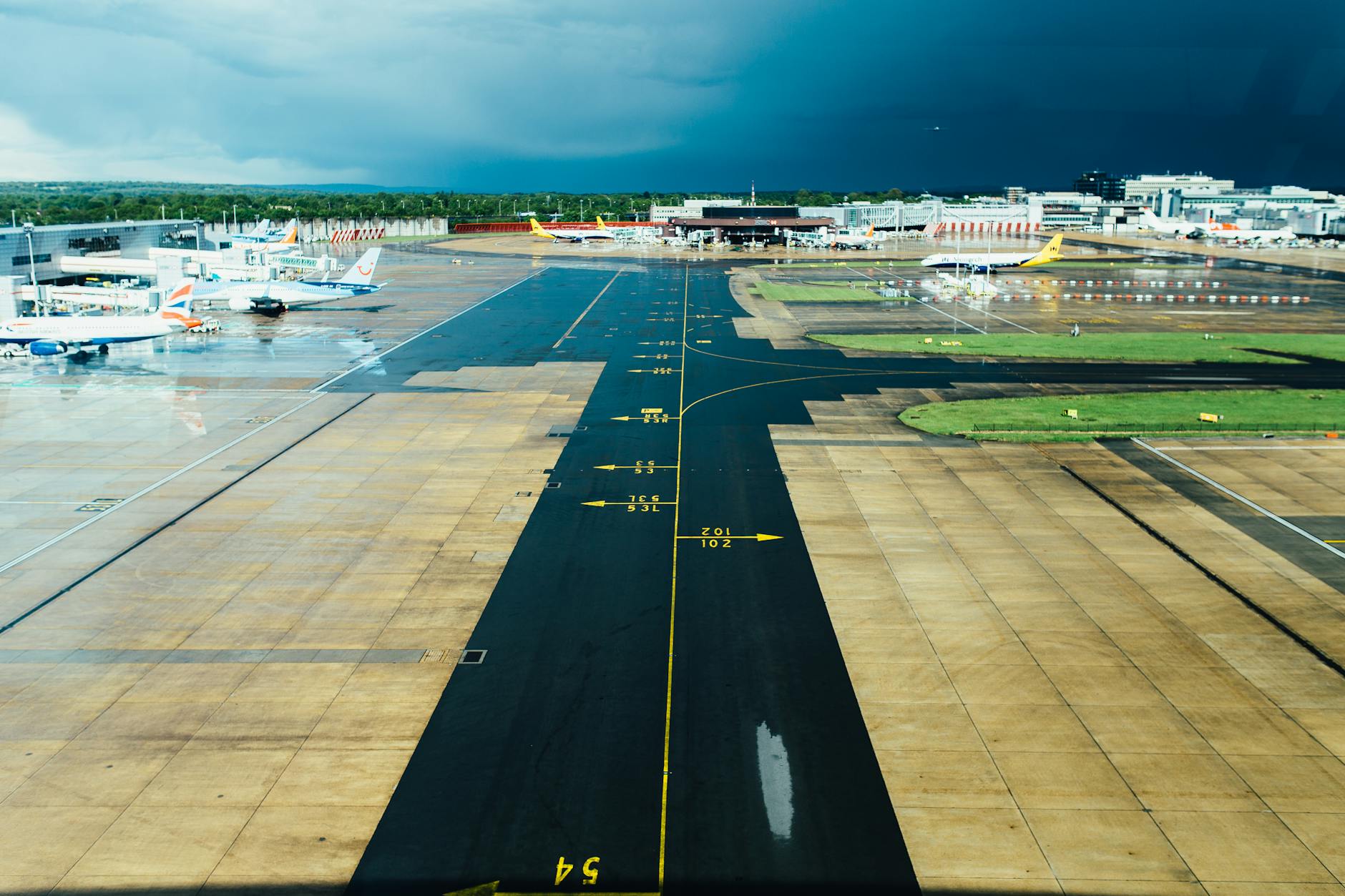
Multiple airport incidents across the globe in March 2026 are causing significant operational disruptions that affect travelers of all backgrounds, particularly those managing cognitive health challenges. On March 20, Phoenix Sky Harbor International Airport experienced 116 flight delays and 3 cancellations due to gusty winds exceeding safe runway thresholds, with FAA ground stops lasting approximately 2.5 hours. Just three days later, LaGuardia Airport in New York saw 212 flights delayed and 8 flights cancelled, affecting major carriers like American Airlines, Delta, and JetBlue on routes to Chicago, Miami, Boston, and other cities. Beyond individual weather incidents, a partial U.S.
government shutdown has left approximately 50,000 DHS and TSA essential workers operating without pay, resulting in increased staff call-outs and resignations that contribute to security line delays nationwide. For individuals living with dementia and their caregivers, airport disruptions present unique challenges that extend beyond simple inconvenience. Extended delays can disrupt medication schedules, trigger confusion and anxiety, and strain the emotional resources of both patients and their support systems. This article explores the current state of airport operational delays, examines how these disruptions specifically impact people managing cognitive health concerns, and provides practical strategies for maintaining safety and well-being during travel complications.
Table of Contents
- What Triggers Airport Operational Delays in Modern Air Travel
- How Extended Airport Delays Affect Travelers with Cognitive Challenges
- Caregiver Considerations During Travel Disruptions
- Practical Strategies for Managing Airport Delays with Cognitive Health in Mind
- The Broader Impact of Staffing Issues and Government Disruptions
- International Airport Disruptions and Global Travel Impact
- Planning Ahead During Periods of Operational Stress
- Conclusion
What Triggers Airport Operational Delays in Modern Air Travel
Airport delays stem from multiple interconnected causes, ranging from weather events to staffing shortages. Weather-related disruptions remain among the most immediate triggers; Phoenix Sky Harbor’s March 20 incident demonstrates how wind conditions can force FAA ground stops when gusts exceed safe parameters for takeoff and landing. These meteorological events are relatively predictable and temporary, typically lasting hours rather than days. However, the current operational environment includes a more persistent challenge: the U.S. government shutdown affecting TSA and Department of Homeland security personnel.
With approximately 50,000 essential workers continuing operations without compensation since the partial shutdown began, airports nationwide have experienced increased security screening delays as fatigued staff members request time off or seek employment elsewhere. The distinction between weather delays and staffing delays matters significantly for travelers, especially those with medical or cognitive needs. Weather delays are generally announced quickly and operate on predictable timelines, allowing passengers to make informed decisions about cancellations or rebooking. Staffing-related delays, by contrast, tend to worsen throughout the day as the cumulative effect of call-outs and resignations impacts shift coverage. NPR’s reporting on TSA security lines in March 2026 confirms that airport security wait times remain significantly longer than historical averages, with no clear endpoint in sight as long as workers operate without pay.
How Extended Airport Delays Affect Travelers with Cognitive Challenges
Dementia and other cognitive conditions create specific vulnerabilities during air travel disruptions that caregivers and healthcare providers must understand. Extended periods in airport environments—with their unfamiliar layouts, crowds, and sudden schedule changes—can trigger significant distress in individuals with memory loss or cognitive decline. The combination of departure delays, gate changes, and rerouting decisions creates decision-making demands that can overwhelm someone experiencing cognitive challenges, while the noise and sensory stimulation of busy airport terminals may increase agitation and confusion. A critical concern for dementia patients is medication timing disruption.
Many individuals with cognitive decline take multiple medications on strict schedules—some for the dementia itself, others for comorbid conditions like hypertension or diabetes. When a flight is delayed by several hours or rerouted to a different city, the medication schedule becomes difficult to maintain. However, if a caregiver carries medications in carry-on luggage with clear labeling and times doses according to the patient’s home time zone rather than airport time, some routine can be preserved. The unpredictability creates additional stress; dementia patients often rely on routine as an anchor for reducing anxiety, and airport disruptions eliminate that stability entirely. Extended layovers, unexpected overnight stays due to cancellations, and unfamiliar airport hotel accommodations can disorient individuals with cognitive decline far more severely than they affect typical travelers.
Caregiver Considerations During Travel Disruptions
Family members and professional caregivers supporting dementia patients face distinct responsibilities when airport delays occur. Beyond managing their own frustration with missed connections, caregivers must advocate for their loved one’s medical and emotional needs while navigating airline customer service channels that are often overwhelmed during operational crises. During the LaGuardia delays affecting 212 flights, passengers were scattered across multiple rebooking options, alternate airports, and multi-day waits—a scenario that caregivers must manage while ensuring their cognitively impaired family member remains calm, medicated, and oriented to time and place.
Preparation strategies differ markedly depending on whether the delay is short-term or develops into a prolonged disruption. For flights during periods of known operational stress—such as March 2026, when both staffing shortages and weather incidents create compounding delays—caregivers should book earlier flights rather than later ones, building in buffer time to reach the airport without time pressure. Additionally, caregivers should carry printed copies of medication lists, physician contact information, and the patient’s cognitive or dementia diagnosis, along with documentation of any behavioral support techniques that work for the individual. During extended delays, caregivers benefit from accessing the airport’s customer service desk immediately rather than waiting, as this often provides access to hotel vouchers, meal credits, and rebooking priority faster than passengers who remain in the terminal.

Practical Strategies for Managing Airport Delays with Cognitive Health in Mind
Travelers and caregivers can implement several concrete strategies to mitigate the impact of airport delays on cognitive health. First, when delays occur, move immediately to a quieter location—airport bookstores, cafes away from gates, or airline lounges if accessible—where environmental overstimulation is reduced. This simple shift often prevents anxiety escalation in dementia patients who become increasingly agitated as noise and crowd stimulation increase. Second, establish a simplified decision-making framework beforehand; decide in advance whether you will rebook on the next available flight regardless of departure time, or whether you will wait for specific connections. This pre-decision eliminates the need for real-time complicated choices during a stressful situation.
Medication management during delays requires specific tactics. Carry all medications in original labeled containers in carry-on luggage, never checked bags. If a delay extends beyond a few hours, administer doses on your original time zone schedule, not the airport or destination time zone—this reduces confusion for the passenger while maintaining medication intervals. Comparison of caregiving approaches shows that proactive communication with airlines about special needs—mentioning cognitive or dementia diagnosis when rebooking—often results in gate priority boarding, wheelchair assistance, and dedicated customer service support on the rebooking end. However, be aware that some airline staff have limited training in cognitive conditions; caregivers should explain specific needs clearly and directly rather than assuming staff will understand from a general “dementia” notation.
The Broader Impact of Staffing Issues and Government Disruptions
The government shutdown’s impact on TSA and DHS operations represents a systemic challenge more troubling than individual weather events. With approximately 50,000 essential workers operating without pay since late March 2026, the aviation system is functioning below optimal capacity. TSA security screening lines have lengthened significantly, creating secondary delays that compound primary flight delays. Airports are unable to staff all security lanes simultaneously, leading to wait times that push travelers into time-pressure situations that are particularly hazardous for dementia patients—rushed, stressed decisions lead to medication forgotten in airport restaurants, separated groups, and increased behavioral distress.
A critical limitation of the current situation is that staffing delays lack the predictability of weather events. Weather forecasts provide hours or days of advance warning; staffing crises develop gradually as workers exhaust personal leave and request schedule reductions. This unpredictability means travelers cannot reliably plan around security delays the way they might plan around a thunderstorm forecast. Airlines and airports have issued statements recommending passengers arrive three hours early for domestic flights, yet even this buffer provides no guarantee of on-time departure when staffing shortages cause downstream cascading delays. The warning here is direct: if you are traveling with a cognitively impaired passenger during periods of known staffing stress, expect delays as the default condition rather than the exception.

International Airport Disruptions and Global Travel Impact
While U.S. airport delays dominate recent news, international aviation infrastructure has experienced its own crises. On March 16, 2026, Dubai International Airport experienced a complete operational shutdown following a drone strike on a fuel storage tank adjacent to the facility, which ignited a fire.
The Dubai Civil Aviation Authority suspended all flight operations as a precautionary measure while emergency responders addressed the fire. This incident affected thousands of passengers and highlighted how geopolitical and security threats can create airport disruptions far more severe than weather or staffing issues. For travelers planning international trips with dementia patients, such incidents underscore the importance of travel insurance that covers medical contingencies and the need for embassy contact information in carry-on materials.
Planning Ahead During Periods of Operational Stress
As air travel experiences continued operational stress through spring 2026, travelers with cognitive health concerns should adjust expectations and planning. The period of government shutdown and reduced staffing is unlikely to resolve quickly; even after shutdown resolution, airports require time to rehire and train new TSA personnel to replace those who resigned. This suggests that operational delays may persist for several months. Forward planning should include booking flights during historically lower-traffic periods—early morning departures and mid-week flights experience fewer delays than afternoon or weekend flights.
Additionally, consider whether driving or rail travel might be viable alternatives; while longer in absolute time, these modes eliminate airport-based triggers and maintain more consistent schedules. Technology and communication tools improve outcomes during disruptions. Airlines now provide real-time notifications to mobile devices; ensure a caregiver has access to flight status alerts and rebooking notifications. Download offline airport maps on a phone before departure, so navigation doesn’t depend on airport WiFi during chaotic periods. The outlook for air travel suggests that operational stress will gradually diminish as staffing issues resolve, but this normalization may take through the second quarter of 2026.
Conclusion
Airport incidents and operational delays in March 2026 create compounded challenges for travelers with dementia and their caregivers. Weather-related disruptions at Phoenix Sky Harbor and LaGuardia, combined with persistent staffing shortages from the government shutdown, have created an environment where delays are frequent and unpredictable. For individuals managing cognitive decline, these disruptions trigger distinct vulnerabilities: medication schedule disruption, environmental overstimulation leading to anxiety and behavioral changes, and the elimination of familiar routines that anchor cognitive stability.
Caregivers and travelers can reduce the impact of delays through concrete preparation: carrying medications in organized carry-on luggage with clear labeling, positioning travelers away from overstimulating gate areas when delays occur, communicating cognitive or dementia diagnoses clearly to airline staff, and making advance decisions about rebooking preferences. For those considering air travel during this period of operational stress, building in substantial buffer time, booking flights during lower-traffic periods, and considering alternative transportation modes may prove more beneficial for individuals with cognitive health concerns. As operations gradually stabilize, the strategies outlined here will remain relevant for any future travel disruption.