Reviewed by the Help Dementia Editorial Team — our editors review every article for accuracy against guidance from the National Institute on Aging, the Alzheimer’s Association, and peer-reviewed sources.
Yes, adding resistance training to your routine could meaningfully protect against dementia. Recent research shows that people with mild cognitive impairment who engaged in twice-weekly weight training for six months experienced measurable improvements in memory and thinking skills while showing less brain shrinkage in regions damaged by Alzheimer’s disease. This isn’t theoretical prevention—it’s documented change in the brain itself, measured on imaging studies and cognitive tests. The protective effect comes from how resistance exercise stimulates the production of neural growth factor, a protein critical for neuron survival, while simultaneously reducing the inflammation that contributes to cognitive decline. What makes this finding particularly important is that it works for people who are already experiencing early cognitive changes, not just healthy individuals trying to stay sharp.
For a family watching a loved one struggle with memory or noticing their own thinking isn’t as clear as it used to be, resistance training offers a concrete, evidence-based intervention with measurable benefits. The research quality here matters. A 2025 study published in peer-reviewed journals recruited 44 adults over age 55 with documented mild cognitive impairment—a population at real risk for dementia—and assigned them randomly to weight training or a control group. After six months, the training group showed preserved brain volume in the hippocampus and precuneus, areas that typically shrink in Alzheimer’s disease. This is not marketing language. This is structural brain protection.
Table of Contents
- How Does Resistance Training Build a More Resilient Brain?
- What the Latest 2025 Research Reveals About Resistance Training and Dementia
- Which Brain Regions Benefit Most From Resistance Training?
- How Much Resistance Training Do You Need to Protect Your Brain?
- Does Combining Resistance Training With Aerobic Exercise Make It Better?
- Starting a Resistance Training Program Safely When You’re Worried About Cognitive Decline
- What Does Future Research Tell Us About Exercise and Dementia Prevention?
- Conclusion
How Does Resistance Training Build a More Resilient Brain?
resistance training—lifting weights, using resistance bands, or doing body-weight exercises like squats and push-ups—triggers a cascade of changes in the brain that run counter to the degeneration associated with dementia. The primary mechanism is the stimulation of neural growth factor production. NGF is essentially a rescue signal for neurons: it tells brain cells to survive, grow new connections, and function more effectively. Without adequate NGF, neurons gradually lose vitality and die. Resistance training boosts this critical protein throughout the brain. A second mechanism involves inflammation reduction.
Chronic, low-grade inflammation throughout the body accelerates cognitive decline by damaging blood vessels that feed the brain and by directly harming neurons. Resistance training systematically lowers inflammatory markers like cytokines and C-reactive protein. For someone worried about their memory or a family member struggling with memory loss, this isn’t just about getting stronger muscles—it’s about creating a biochemical environment in which the brain can thrive rather than decline. The third mechanism operates on white matter, the brain’s communication cables. White matter consists of myelinated axons that allow different brain regions to talk to each other. People with Alzheimer’s disease show deterioration of white matter integrity. Resistance training preserves this critical infrastructure, helping maintain the signal quality needed for memory formation, learning, and processing speed.

What the Latest 2025 Research Reveals About Resistance Training and Dementia
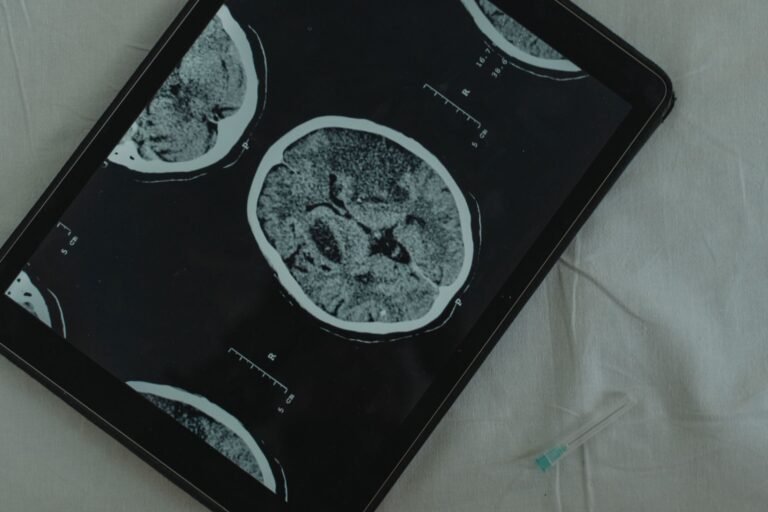
A landmark 2025 study tracked what happens in the brains of people with mild cognitive impairment when they follow a structured resistance training program. Forty-four adults, all over age 55 and diagnosed with MCI, were randomly assigned to either twice-weekly progressive weight training or a control group. Progressive resistance means the weight gradually increases as you adapt—a key element that ensures continued stimulus to the neuromuscular system and the brain. After six months, the results were striking. The resistance training group showed better memory and thinking skills on cognitive testing compared to the control group. More importantly, their brains showed measurable structural protection on imaging studies. The hippocampus—the brain region critical for forming new memories and one of the first areas damaged in Alzheimer’s—showed less atrophy, particularly on the right side.
The precuneus, an area involved in memory retrieval and self-referential thinking, also showed protection. This is not a modest effect. This is visible preservation of brain tissue in regions that typically shrink in aging and dementia. The research also documented preserved white matter integrity. The training group maintained better connectivity between brain regions, which translates to faster processing, better working memory, and more reliable access to stored information. One limitation to note: the study lasted six months. We don’t yet have data on whether these benefits persist indefinitely, decrease gradually, or require ongoing training to maintain. The evidence strongly suggests ongoing resistance training is necessary, similar to how exercise for cardiovascular health requires continued commitment.
Which Brain Regions Benefit Most From Resistance Training?
The hippocampus receives particular protective benefit from resistance training, which makes biological sense given its critical role in memory formation. People with Alzheimer’s disease experience significant hippocampal shrinkage early in the disease process—sometimes years before cognitive symptoms become obvious. By the time someone notices memory problems, substantial hippocampal loss may have already occurred. This is why protecting the hippocampus early, before significant damage accumulates, is crucial. The 2025 research showed that six months of progressive weight training slowed or halted this shrinkage in people who were already experiencing early cognitive changes. The precuneus, located in the parietal region of the brain, showed similar protection. The precuneus is involved in memory retrieval, mental imagery, and the sense of self. Damage to this region contributes to the disorientation and memory problems characteristic of dementia.
By preserving precuneus volume and white matter connections to this area, resistance training helps maintain the mental clarity and orientation that people with early cognitive impairment fear losing. Beyond these specific regions, resistance training benefits the entire brain’s structural integrity through white matter preservation. Think of white matter as the brain’s highway system. If highways deteriorate, communication slows even if individual cities (gray matter regions) remain intact. Resistance training maintains the quality of these highways, allowing faster information transfer and more efficient cognition. One important caution: structural benefits on brain imaging studies don’t automatically translate to preventing dementia progression in every individual. Some people may show brain protection but continue experiencing cognitive decline, while others may experience cognitive stability even if brain imaging changes are modest. Individual variation is substantial, and the presence of other risk factors (genetic risk, diabetes, cardiovascular disease) can alter the trajectory.

How Much Resistance Training Do You Need to Protect Your Brain?
Based on the 2025 research, the minimum effective dose appears to be twice weekly for at least six months. This is not an arbitrary number—it reflects the amount and duration needed to produce measurable changes in cognitive testing and brain imaging. Someone might reasonably ask whether once weekly would provide some benefit, and the honest answer is we don’t yet have good data on that. The research shows twice weekly works. Once weekly is untested in this population. The intensity matters as well. The research protocol used progressive resistance at approximately 50 to 70 percent of your one-repetition maximum—moderate intensity, not maximum effort. This is the sweet spot: heavy enough to stimulate adaptation and growth factor production, but not so heavy that it creates excessive injury risk or becomes inaccessible for someone deconditioned or dealing with joint problems.
For someone just starting out, this might mean lifting weight that feels moderately challenging by the tenth repetition of an exercise, where ten to twelve repetitions feels like you’re working but could do perhaps two to three more. Over weeks and months, as you adapt, you increase the weight slightly to maintain that moderate-intensity challenge. The duration matters: six months was the timeframe showing measurable benefit in the study. Shorter training periods haven’t been well-studied in this MCI population. Practical translation: commit to twice weekly for at least six months before expecting to see cognitive benefits. This is a longer-term commitment than someone might hope for, but it aligns with the timeframe for meaningful brain changes. An important tradeoff to consider: starting a resistance training program requires time, can feel uncomfortable initially, and carries small injury risks, particularly in older adults unfamiliar with strength training. These costs are real and shouldn’t be minimized. However, they must be weighed against the alternative—continuing the trajectory toward progressive cognitive decline without intervention.
Does Combining Resistance Training With Aerobic Exercise Make It Better?
Yes, emerging evidence suggests that combining resistance training with aerobic activity provides superior benefits compared to either form of exercise alone. Research on dementia and exercise shows that aerobic activity (walking, swimming, cycling) and resistance training work through complementary mechanisms. Aerobic exercise improves cardiovascular health, increases blood flow to the brain, and boosts mood and motivation. Resistance training, as discussed, builds neural growth factors and preserves brain structure. When people with dementia or MCI combine both types of activity, the benefits extend beyond cognition to functional abilities. Studies show that people doing combined training maintain better ability to perform daily living activities—getting up from chairs, climbing stairs, managing household tasks—compared to those doing only aerobic exercise or only resistance training.
For someone worried not just about memory but about independence and quality of life, this matters tremendously. A practical concern worth mentioning: combining two exercise modalities requires more time commitment. Someone fitting exercise into a busy schedule might reasonably prioritize resistance training twice weekly over trying to add aerobic activity on additional days. The research suggests that twice-weekly resistance training alone provides meaningful cognitive protection, so this should not be viewed as insufficient. If someone can manage both—perhaps 20 minutes of resistance training twice weekly plus walking or swimming—the evidence points to greater protection. But twice-weekly resistance training without aerobic activity is still evidence-based cognitive protection, not a second-choice compromise.

Starting a Resistance Training Program Safely When You’re Worried About Cognitive Decline
Anyone considering resistance training, particularly someone who has received a diagnosis of mild cognitive impairment or has a family history of dementia, should discuss this with their healthcare provider before beginning. This isn’t being overly cautious—it’s practical, because your physician needs to know about any joint problems, heart conditions, or medications that might affect your ability to safely perform resistance exercises. Working with a trainer familiar with older adults or individuals with cognitive concerns can make an enormous difference in starting successfully and avoiding injury. The trainer doesn’t need to be a specialist in dementia, but should understand exercise progression, proper form, and how to modify movements for individual limitations. Many community centers and gyms offer group strength classes for older adults at low cost.
Starting with familiar exercises using light weight—or even body weight—allows your nervous system to learn proper movement patterns before increasing intensity. Someone with early cognitive changes might particularly benefit from the structure and social engagement of a group class compared to exercising alone at home, though solo training is also effective if that’s the practical option. One practical reality: cognitive changes can affect memory for instructions and exercise routines. Writing down the exercises you’re performing, taking photos of your form, or using a simple checklist can help compensate for any memory uncertainty. This isn’t a reason to avoid resistance training—it’s simply smart adaptation that removes barriers and ensures consistency.
What Does Future Research Tell Us About Exercise and Dementia Prevention?
The research landscape in 2025-2026 is particularly active, with multiple peer-reviewed journals publishing studies on resistance training and cognitive health. Researchers are moving beyond simply documenting that exercise helps and are now investigating the specific mechanisms: which genes does exercise activate? How do changes in muscle signaling affect the brain? Can we predict which individuals will respond most robustly? This emerging research is refining our understanding of exercise as a tool for brain protection. One frontier involves understanding whether resistance training can prevent the progression from normal cognition to mild cognitive impairment, or whether it’s primarily valuable once someone is already experiencing cognitive changes.
The 2025 evidence shows clear benefits for people with MCI, but the optimal entry point for starting prevention remains an open question. If resistance training could prevent someone from ever developing cognitive impairment in the first place, the public health impact would be massive. Current evidence points in this direction, but more research is underway. The message from current research is strong: resistance training should be considered a legitimate medical intervention for cognitive health, discussed with healthcare providers the same way you’d discuss medication or dietary changes for heart disease prevention.
Conclusion
Adding resistance training to your routine represents one of the most actionable steps available for protecting your brain from dementia. The evidence is recent, rigorous, and shows measurable benefits in brain structure and cognitive function in people already experiencing early cognitive changes. Twice weekly at moderate intensity for six months is the research-backed starting point, though beginning sooner rather than later makes sense given the progressive nature of cognitive decline.
Start by discussing resistance training with your healthcare provider, and consider working with someone experienced in exercise programming for older adults. The time investment is substantial, the commitment is ongoing, and there are no guarantees that this will prevent dementia—but the evidence of benefit is real, measured on brain imaging and cognitive testing. In a landscape where treatments for dementia itself remain limited, a proven method for protecting brain structure and function deserves serious consideration. Your brain is worth the effort.