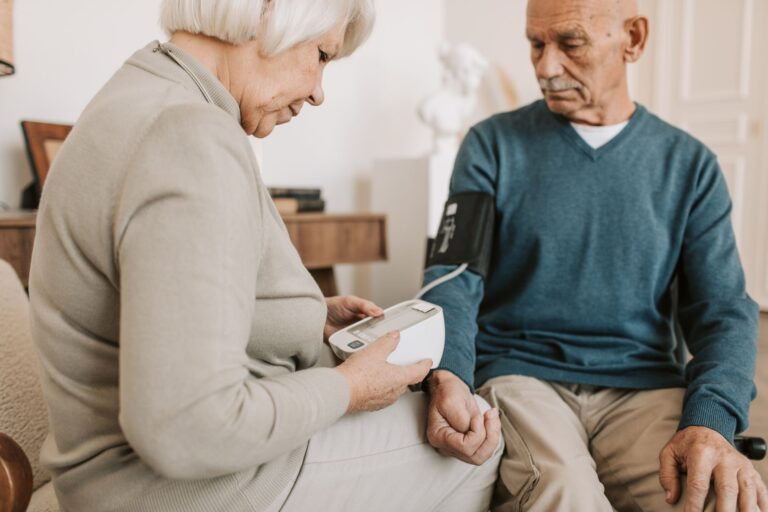
A former home care provider in Virginia received a prison sentence for systematically stealing from an elderly veteran under her care, a case that illustrates how trusted caregivers can exploit vulnerable adults with cognitive decline or cognitive disabilities. The defendant’s conviction demonstrates that caregiver theft isn’t rare—it’s a widespread problem affecting seniors, veterans, and people with dementia who cannot effectively monitor their finances or report suspicious activity. When someone caring for a vulnerable person gains access to bank accounts, credit cards, or knowledge of benefit payments, the opportunity for theft becomes dangerously simple.
This case underscores a painful reality: the people entrusted with a person’s physical care sometimes also gain access to their financial security. Victims of caregiver theft lose not only money but also the ability to pay for their own medical care, medications, and living expenses. For veterans specifically, benefits stolen can represent a lifetime of earned income protection meant to support them through aging and disability. The breach of trust cuts deeper than the financial loss itself.
Table of Contents
- Why Do Caregivers Commit Theft Against Veterans and Elderly Adults?
- How Caregiver Theft Differs From Other Forms of Elder Exploitation
- Warning Signs That a Caregiver May Be Stealing
- How Families Can Protect Vulnerable Adults From Caregiver Theft
- Legal Consequences and Prosecution of Caregiver Theft
- Veterans’ Specific Vulnerabilities and Benefits Protection
- The Broader Pattern of Trust Exploitation in Home Care
- Frequently Asked Questions
Why Do Caregivers Commit Theft Against Veterans and Elderly Adults?
caregiver theft occurs because of proximity and access. A home care provider who visits several times a week sees where medications are stored, notices financial documents, overhears bank account details mentioned aloud, and observes whether a person is cognitively sharp enough to notice money missing. Unlike a bank robbery that requires planning and risk, caregiver theft can happen incrementally—small withdrawals that might be attributed to confusion about what was already spent, or gradual account drains that take weeks to notice. The perpetrator has the advantage of the victim’s natural trust. Veterans are particular targets for several reasons.
Many veterans receive regular pension or disability payments that arrive predictably each month, making the income stream easy to predict and steal. Additionally, some older veterans were taught to be trusting of authority figures and those in service roles—cultural attitudes that can make them less suspicious of a caregiver’s financial requests. A caregiver might ask to “pick up groceries” and pocket the cash, or gradually convince an older person to add them to a bank account “for convenience,” then drain it. People with dementia are especially vulnerable because they may not remember transactions they authorized, may forget whether they already paid a bill, or may be unable to articulate concerns about missing money to family members. Even a person with early-stage cognitive decline might feel too embarrassed to admit they can’t remember if they wrote a check or gave someone cash.
How Caregiver Theft Differs From Other Forms of Elder Exploitation
Caregiver theft is distinct from financial elder abuse in that it’s perpetrated by someone in a formal caregiving role rather than a family member, though family members sometimes also steal from aging relatives. What makes it particularly insidious is that it often occurs alongside legitimate caregiving—the same person providing necessary medical assistance, preparing meals, and managing medications is also accessing bank statements and building trust specifically to exploit it. The victim cannot simply fire the caregiver without losing essential medical support. The progression of theft is often gradual and methodical. A caregiver might start by asking for small reimbursements that are legitimate, then begin inflating amounts or requesting payment for tasks never performed. They might suggest the older person needs new clothes or equipment, offer to shop for them, and then overcharge or pocket the difference.
In some cases, caregivers encourage older people to take out loans or access their home equity, then take the borrowed funds. The methods are limited only by the caregiver’s creativity and the victim’s capacity to notice or object. A significant limitation in prosecution is that elderly victims often cannot serve as reliable witnesses if they have cognitive decline. They may not remember exactly when money was taken, whether they authorized a transaction, or specific conversations about finances. This evidentiary challenge can make some cases difficult to prove, even when family members are convinced theft occurred. Perpetrators sometimes rely on this limitation, betting that the victim’s cognitive decline will prevent prosecution.
Warning Signs That a Caregiver May Be Stealing
Families should watch for unexplained withdrawals from bank accounts, especially regular ones. If an elderly person’s account shows $50, $100, or larger amounts being withdrawn in cash frequently, or if checks written to the caregiver amount to more than their stated salary, investigate. Similarly, credit card statements showing purchases for items the person would never buy, or transactions at stores they don’t visit, warrant questions. changes in a caregiver’s personal finances can also be a warning sign.
A caregiver who suddenly has expensive new belongings, takes vacations, or mentions upcoming financial improvements without explaining a raise or second job may be stealing from clients. Some families have discovered that caregivers were using their vulnerable elderly relatives to support gambling problems, drug addictions, or debt repayment. Another indicator is that the caregiver becomes defensive when asked about finances, discourages the older person from discussing their bank accounts with family, or tries to isolate them from relatives who might question spending. A caregiver saying “your son/daughter doesn’t understand your situation” or “don’t tell them about this purchase” is raising a serious red flag. Additionally, if an older person becomes confused about whether they already paid bills or how much money they have left, ask the caregiver directly and then verify with the bank independently.
How Families Can Protect Vulnerable Adults From Caregiver Theft
The strongest protection is vigilant financial monitoring. Rather than giving a caregiver direct access to bank accounts or credit cards, use a separate account with a set allowance for legitimate expenses. Pay the caregiver through a payroll service or check with a clear pay stub, so the amount is documented and justified. Review bank and credit card statements monthly, either yourself or through an elder law attorney or financial power of attorney. Consider hiring through established home care agencies rather than independent caregivers whenever possible. Agencies perform background checks, bond their employees, and carry liability insurance.
If an agency employee steals, the agency itself can be held responsible and the victim may recover losses. Independent caregivers, while sometimes more affordable, offer no institutional safeguard. The tradeoff is that agency care costs more but provides oversight and accountability. If a person has significant cognitive decline, establish a power of attorney or conservatorship now, while they can still legally execute the documents. Have an attorney—not a family member the caregiver might manipulate—handle financial decisions. Some families also set up bank accounts with fraud alerts or require two signatures on large withdrawals. For veterans receiving benefits, consider having payments sent to a representative payee program, where a trusted third party manages the funds on their behalf.
Legal Consequences and Prosecution of Caregiver Theft
Caregiver theft is prosecuted as theft, larceny, or financial exploitation of a vulnerable adult—crimes that carry significant prison sentences, fines, and restitution requirements. Many states have enhanced penalties when the victim is elderly or has a disability. A caregiver convicted of stealing from a 75-year-old person may face felony charges and years in prison, particularly if the amount stolen is large or the exploitation was systematic. However, many cases don’t reach prosecution. Police may hesitate to pursue charges against a caregiver when the victim’s testimony is unreliable due to cognitive decline. Prosecutors may decline to move forward if they believe a jury won’t convict based on confused testimony from a person with dementia.
This means some caregiver theft goes unpunished, and the perpetrator may move to another client and steal again. Families sometimes pursue civil lawsuits instead, which require a lower standard of proof but don’t result in criminal consequences or incarceration. Restitution is ordered in successful prosecutions, requiring the caregiver to repay stolen funds. However, if the caregiver has no assets or income, the victim may never recover the money. Prison sentences typically range from one to ten years depending on the amount stolen and the defendant’s criminal history. Some jurisdictions also impose lifetime probation, requiring the convicted person to report to a probation officer and face restrictions on employment in caregiving roles.
Veterans’ Specific Vulnerabilities and Benefits Protection
Veterans’ benefits—whether VA disability payments, survivor benefits, or pension income—are particularly tempting theft targets because they arrive regularly, often in substantial amounts, and many veterans are reluctant to report problems to government agencies. A veteran’s benefit check or direct deposit represents years of military service and earned entitlements; when stolen, it represents a significant breach of the obligation government and society owe to military veterans. Some veterans face barriers to reporting theft because they don’t understand how to contact the VA, fear losing benefits if mistakes are reported, or are embarrassed about being victimized.
The VA offers some protections: if benefits are stolen due to fraud, the VA can reissue payments and may assist in prosecution. However, the veteran must report the theft promptly. Representative payee programs can help by routing benefits through a trustworthy third party rather than directly to the veteran or their caregiver.
The Broader Pattern of Trust Exploitation in Home Care
What makes this case significant beyond its immediate facts is what it reveals about the vulnerability of people receiving in-home care. Unlike residents of facilities where multiple staff members provide oversight, people receiving home care often have one or two caregivers who control access to their environment, their finances, and their ability to communicate concerns to others. A caregiver who is also a person’s only regular human contact can create isolation that prevents reporting of problems.
The sentencing of caregivers for theft, while important, doesn’t prevent future thefts because it doesn’t address the structural vulnerability of home-based care. Families must implement their own oversight because the system doesn’t automatically provide it. Establishing clear financial boundaries, involving multiple family members in monitoring, and maintaining regular communication with an elderly or cognitively declining person about their finances are practical measures that reduce risk. The person convicted in this Virginia case was caught because someone noticed the pattern and reported it; that level of family attention remains the most reliable protection against caregiver theft.
Frequently Asked Questions
How much money do caregiver theft victims typically lose?
Amounts vary widely, from hundreds to hundreds of thousands of dollars. Cases involving systematic theft over years can result in six-figure losses, particularly when the caregiver has access to monthly benefit payments or retirement accounts. Smaller thefts—under $5,000—are sometimes not prosecuted due to resource constraints in local prosecutors’ offices.
Can I remove money from an elderly person’s account to protect it from a caregiver?
No. If you are not a legal guardian, power of attorney, or authorized representative payee, removing money from someone else’s account is itself theft, even with good intentions. Work with an attorney to establish proper legal authority before managing finances.
What should I do if I suspect my elderly parent’s caregiver is stealing?
Request bank and credit card statements immediately. Compare them to prior statements to identify unusual transactions. Speak with your parent directly about specific charges. Contact your local police non-emergency line to report suspected theft and request an investigation. Simultaneously, consult an elder law attorney about your legal options.
Are caregivers from agencies less likely to steal than independent caregivers?
Agency caregivers are subject to background checks and may be bonded and insured, which creates accountability and a path to recover losses. However, theft can occur in either setting. The key difference is that an agency carries liability; an independent caregiver does not.
How do I know if cognitive decline is genuine or if someone is pretending to justify stolen money?
A medical evaluation by a neurologist or geriatrician is the only reliable way to assess cognitive status. Family members cannot reliably distinguish between genuine decline and feigned confusion based on observation alone. If you question whether your parent has dementia, obtain a formal diagnosis before making assumptions about their ability to recognize theft.
Can the VA help recover stolen veteran benefits?
The VA can investigate benefit theft and reissue stolen payments if fraud is documented. Report suspected theft to the Veterans Benefits Administration immediately. Additionally, file a police report and contact local law enforcement, which can pursue criminal charges. Combining VA action with criminal prosecution increases the likelihood of recovery and consequences for the perpetrator.