Reviewed by the Help Dementia Editorial Team — our editors review every article for accuracy against guidance from the National Institute on Aging, the Alzheimer’s Association, and peer-reviewed sources.
Yes, treating sleep apnea can significantly reduce your dementia risk. Research shows that people with untreated sleep apnea have a 43% increased risk of neurocognitive disorders and a 28% higher risk of Alzheimer’s disease. But here’s the hopeful part: when sleep apnea is treated with CPAP therapy, dementia risk drops back to levels comparable to people without sleep apnea. Consider Sarah, a 52-year-old who went to her doctor complaining of daytime fatigue. A sleep study revealed moderate obstructive sleep apnea. After starting CPAP treatment, her cognitive fog lifted within weeks, and cognitive testing showed improvement in her memory and processing speed. The connection between sleep apnea and dementia isn’t accidental.
Every time you stop breathing during sleep, your brain is deprived of oxygen. Over months and years, this oxygen deprivation shrinks the hippocampus—the memory center of your brain—and damages small blood vessels throughout the brain. These changes accumulate silently, often without noticeable symptoms, until cognitive decline becomes apparent. The window for prevention is critical. The ideal time to catch and treat sleep apnea is between ages 40 and 50, when brain changes can still be reversed or prevented entirely. For many people, this condition goes undiagnosed for years because they’ve grown used to snoring, daytime sleepiness, or frequent nighttime awakenings. Understanding sleep apnea’s link to dementia is reason enough to take it seriously.
Table of Contents
- How Does Sleep Apnea Lead to Dementia Risk?
- The Hippocampus and Memory Loss: What Happens When Sleep Apnea Damages Brain Structure
- CPAP Treatment Success: How Addressing Sleep Apnea Reverses Cognitive Decline
- The 40-50 Age Window: When Brain Changes Are Still Reversible
- Why Sleep Apnea Often Goes Undiagnosed: Barriers to Treatment
- Alternative and Complementary Treatments: Beyond CPAP
- Building a Long-Term Sleep Apnea and Brain Health Strategy
- Conclusion
How Does Sleep Apnea Lead to Dementia Risk?
Sleep apnea causes dementia risk through several interconnected mechanisms. The repeated oxygen drops during sleep trigger inflammation in the brain, reduce blood flow to critical memory regions, and accelerate the accumulation of amyloid-beta and tau proteins—the hallmarks of Alzheimer’s disease. Brain imaging in sleep apnea patients reveals shrinkage of the hippocampus and damage to small blood vessels, changes we also see in early dementia. The numbers are striking: untreated sleep apnea increases Parkinson’s disease risk by 54%, further emphasizing how profoundly this condition affects the nervous system. Some research studies found hazard ratios as high as 4.2 for all-cause dementia and 5.7 for Alzheimer’s disease, meaning the risk can more than quadruple in severe cases.
These aren’t minor associations. This is why sleep specialists now consider sleep apnea screening essential for anyone over 40, and absolutely critical for anyone with a family history of dementia. The progression is gradual, which makes it dangerous. Unlike a stroke that announces itself suddenly, sleep apnea’s damage accumulates night after night. By the time someone notices memory problems or cognitive slowdown, months or years of brain damage may have already occurred.

The Hippocampus and Memory Loss: What Happens When Sleep Apnea Damages Brain Structure
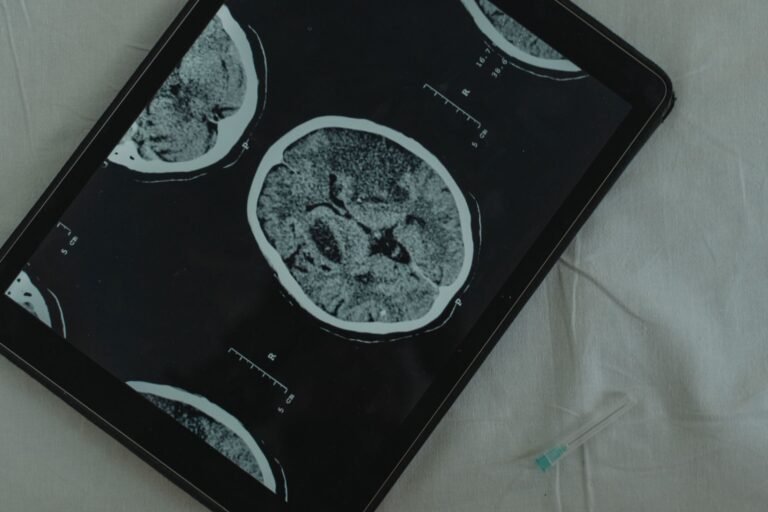
The hippocampus is ground zero for sleep apnea’s damage. This small, seahorse-shaped structure is responsible for forming new memories and consolidating learning from daily experiences. When oxygen levels drop during sleep apnea episodes, the hippocampus is particularly vulnerable. Brain MRI studies show that long-term sleep apnea leads to measurable shrinkage of this region—the same pattern seen in early Alzheimer’s disease. What makes this especially concerning is that the damage may be partly reversible.
CPAP treatment has been shown to increase grey matter volume in the hippocampus and frontal regions of the brain, suggesting that restoring normal breathing during sleep can help brain tissue recover. However, there’s an important limitation: if brain damage has already progressed too far, or if someone waits decades to seek treatment, the recovery may be incomplete. This is why early detection and treatment matter so much. The small blood vessels throughout the brain also suffer from untreated sleep apnea. Repeated oxygen drops cause these vessels to become stiff and narrow, reducing blood flow to the areas that need it most. This vascular damage contributes to cognitive decline independently of the hippocampal changes, making sleep apnea a double threat to brain health.
CPAP Treatment Success: How Addressing Sleep Apnea Reverses Cognitive Decline
When sleep apnea is treated with CPAP (continuous positive airway pressure) therapy, the cognitive benefits can be dramatic. Studies show that CPAP treatment brings dementia risk for sleep apnea patients back down to levels similar to people without the condition. More importantly, patients on sustained CPAP therapy show measurable improvements: better scores on cognitive testing, improved mood, and increased grey matter volume in brain regions associated with memory and executive function. One key finding from long-term studies is that CPAP treatment slowed cognitive deterioration and improved mood in Alzheimer’s patients who also had sleep apnea. This suggests that even in advanced dementia, treating the sleep apnea component may offer some cognitive benefit.
However, there’s a crucial limitation: PAP therapy shows the strongest benefits for people with mild cognitive impairment (MCI), while its efficacy in advanced dementia is less certain. This reinforces the importance of catching and treating sleep apnea early, before significant cognitive damage occurs. The challenge for many people is adjusting to CPAP. The mask can feel uncomfortable, claustrophobic, or irritating to the skin. Some patients report difficulty sleeping initially with the device. However, those who persist through the adjustment period typically report better sleep quality, more energy, clearer thinking, and relief from the constant brain fog that often accompanies untreated sleep apnea.

The 40-50 Age Window: When Brain Changes Are Still Reversible
Research from the University of Miami and other institutions has identified a critical window: the ideal time to identify and treat sleep apnea is between ages 40 and 50. During this period, the brain is still plastic—meaning it can recover from some of the damage caused by sleep apnea. Starting treatment at 45, for example, may preserve cognitive function over the next 20-30 years, whereas waiting until 65 to seek treatment means decades of accumulated brain damage that may not fully reverse. This doesn’t mean older adults shouldn’t pursue treatment. Even people in their 70s or 80s can benefit from CPAP therapy.
But the greatest window for prevention and reversal is in midlife. If you’re experiencing symptoms like chronic snoring, gasping for breath during sleep, daytime drowsiness, or difficulty concentrating at work, this is the time to get screened. A simple overnight sleep study can determine whether you have sleep apnea and how severe it is. The tradeoff to consider is cost and accessibility. Sleep studies and CPAP machines can be expensive, especially if insurance coverage is limited. However, when you weigh this against the potential cost of dementia care—which can exceed $50,000 per year—the investment in early sleep apnea treatment is one of the most cost-effective health decisions a midlife person can make.
Why Sleep Apnea Often Goes Undiagnosed: Barriers to Treatment
Sleep apnea is vastly underdiagnosed. Many people experience symptoms for years without realizing they have a medical condition. A partner might complain about snoring, but the person dismisses it. Daytime sleepiness gets attributed to stress or aging. Difficulty concentrating is chalked up to getting older. Meanwhile, the condition silently damages the brain night after night. Another barrier is the complexity of diagnosis and treatment initiation.
Unlike a blood pressure check, diagnosing sleep apnea requires a sleep study, which involves either a lab visit or an at-home device. Some people are uncomfortable with the evaluation process or skeptical about the need for treatment. Others start CPAP but discontinue it because of discomfort or because they don’t immediately notice improvements in daytime symptoms. A crucial warning: stopping CPAP therapy reverses its cognitive benefits. The brain only stays protected if you maintain consistent treatment night after night. Healthcare providers also bear some responsibility. Sleep apnea screening isn’t part of routine midlife checkups in many primary care settings, despite growing evidence that it should be. If you’re over 40 and haven’t been screened for sleep apnea, it’s worth raising the question with your doctor—especially if you have any risk factors like overweight, high blood pressure, or a family history of dementia.

Alternative and Complementary Treatments: Beyond CPAP
While CPAP is the gold standard for sleep apnea treatment, it isn’t the only option. For mild to moderate sleep apnea, oral appliances that advance the lower jaw can keep the airway open and may be easier to tolerate than CPAP masks. Some people find success with positional therapy—training yourself to sleep on your side rather than your back, which can reduce apnea episodes.
Weight loss, when significant, can also improve sleep apnea severity, though it’s rarely a complete cure. Newer options include hypoglossal nerve stimulation, a surgical implant that stimulates a nerve to keep throat muscles open during sleep. This approach works well for some patients and may become more common as technology improves. However, all of these alternatives require careful discussion with a sleep medicine specialist to determine which approach is appropriate for your specific situation and severity of sleep apnea.
Building a Long-Term Sleep Apnea and Brain Health Strategy
Treating sleep apnea isn’t a one-time fix—it’s an ongoing commitment to brain health. Successful management involves consistent CPAP use (or whatever treatment you choose), regular follow-up appointments with your sleep specialist, and monitoring cognitive function over time. Some patients benefit from cognitive testing every few years to track whether treatment is working.
Sleep apnea treatment also works best as part of a broader dementia prevention strategy. Combine CPAP therapy with other evidence-based approaches: staying physically active, maintaining cognitive engagement, eating a Mediterranean-style diet, managing blood pressure and blood sugar, and prioritizing social connection. These factors together create a comprehensive approach to brain health that addresses sleep apnea’s specific threat while also reducing dementia risk from other causes.
Conclusion
Sleep apnea is one of the most modifiable dementia risk factors we know about. If you have untreated sleep apnea, your dementia risk is elevated—significantly elevated. But the hopeful reality is that treatment works. CPAP therapy can bring your cognitive risk back down to normal levels and may even reverse some of the brain changes already underway. The catch is timing: starting treatment in your 40s or 50s offers the best chance for full brain recovery, while waiting decades may mean missing a critical window for prevention.
If you’ve ever been told you snore, if you wake up gasping, if you’re exhausted during the day despite sleeping eight hours, or if you have trouble concentrating, don’t dismiss these symptoms. Schedule a sleep study. Know your sleep apnea status. If you have it, treat it consistently and ask your doctor to monitor your cognitive function over time. Your future memory and mental clarity may depend on the decision you make today.