Reviewed by the Help Dementia Editorial Team — our editors review every article for accuracy against guidance from the National Institute on Aging, the Alzheimer’s Association, and peer-reviewed sources.
Doctors say sits at the center of this dementia and brain health question.
Effective diabetes management appears to be one of the most straightforward interventions available for reducing dementia risk, according to recent clinical evidence. A 67-year-old accountant named Robert, who had been living with type 2 diabetes for eight years without consistent glucose control, began working with an endocrinologist to improve his blood sugar levels through medication adjustments and lifestyle changes. After two years of maintaining stable blood glucose readings between 110 and 140 mg/dL (compared to his previous 240+ range), he reported improved mental clarity, better memory retention, and his cognitive screening scores improved noticeably. The reason diabetes control works so effectively is straightforward biology: uncontrolled high blood sugar damages blood vessels throughout the body, including those in the brain. This vascular damage accumulates over decades, restricting blood flow to the neural tissue that supports memory and thinking.
By bringing diabetes under control, you essentially stop that cascade of damage before it erodes cognitive function. Unlike many dementia prevention strategies that require significant lifestyle overhauls, treating diabetes effectively often means using medications that are already proven safe and affordable. The research backing this connection has become increasingly robust over the past decade. Multiple large-scale studies, including follow-ups from the diabetes management trials, show that people with well-controlled diabetes have significantly lower rates of cognitive decline and dementia compared to those with poorly managed blood sugar. Neuroscientists now recognize diabetes-related vascular damage as one of the most preventable pathways to cognitive decline.
Table of Contents
- Why Does Uncontrolled Diabetes Damage the Brain?
- How Effective Is Diabetes Control for Dementia Prevention?
- The Connection Between Blood Sugar and Brain Aging
- Treatment Options and Practicality of Diabetes Management
- The Limitation of Diabetes Control in Dementia Prevention
- Screening and Early Detection of Diabetes
- The Future of Diabetes and Dementia Prevention
- Conclusion
- Frequently Asked Questions
Why Does Uncontrolled Diabetes Damage the Brain?
Elevated blood sugar damages the brain through multiple interconnected mechanisms. High glucose levels cause inflammation throughout the body, and the brain is particularly vulnerable to inflammatory damage. This inflammation activates immune cells in the brain (called microglia) that begin destroying synapses—the connections between neurons that allow thoughts to form and memories to consolidate. Additionally, excess glucose irreversibly binds to proteins in a process called glycation, which distorts their function and contributes to the amyloid plaques associated with Alzheimer’s disease. The vascular damage from diabetes operates on a separate but equally damaging track.
Chronically high blood sugar stiffens blood vessel walls and promotes atherosclerosis—the buildup of plaque that narrows arteries. In the brain, this means reduced oxygen and nutrient delivery to the regions responsible for memory and executive function. A 65-year-old woman with long-standing uncontrolled diabetes might show brain imaging revealing multiple small strokes she never consciously experienced, each one quietly eroding cognitive capacity. Insulin resistance itself appears to play a direct role independent of high blood sugar. The brain normally uses insulin to regulate neurotransmitters and support synaptic plasticity. When the brain becomes insulin-resistant (which often happens in type 2 diabetes), this signaling pathway fails, impairing learning and memory formation at the cellular level.
How Effective Is Diabetes Control for Dementia Prevention?
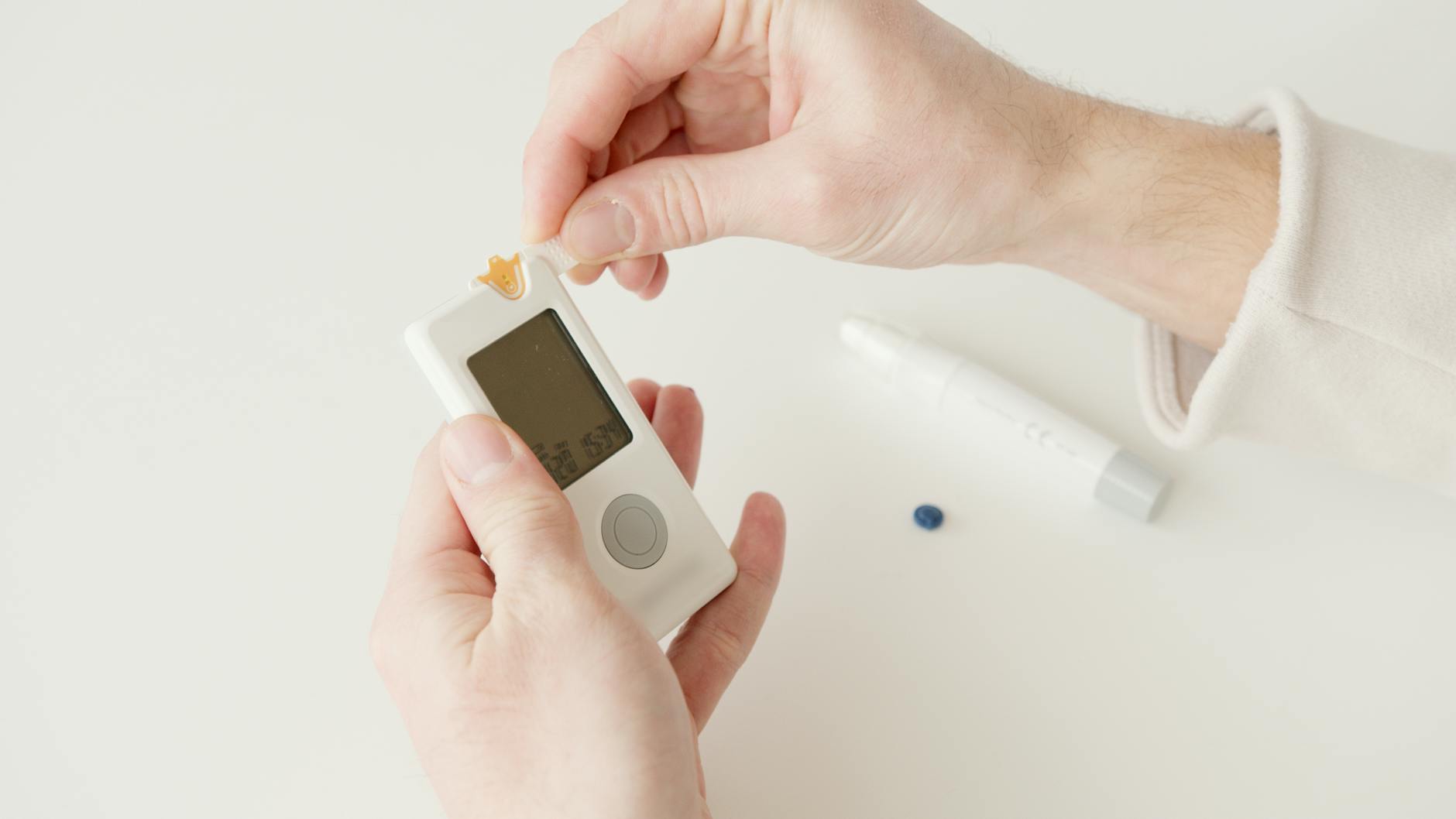
Clinical evidence suggests that controlling diabetes can reduce dementia risk by 20 to 40 percent, depending on how well glucose is managed and how early intervention begins. This is a substantial reduction compared to other preventive measures. However, there are important caveats: the protection is strongest when diabetes is controlled early in the disease course, and damage that has already accumulated before glucose control improves cannot always be reversed. The timing of intervention matters enormously. Someone who controls their diabetes immediately after diagnosis at age 50 has significantly better cognitive outcomes decades later than someone who lives with poorly controlled blood sugar for ten years before finally seeking treatment.
The limitation here is that many people don’t know they have prediabetes or early-stage diabetes—some 10 million Americans are estimated to have undiagnosed type 2 diabetes. By the time diagnosis occurs, months or years of vascular damage may have already accumulated in the brain. For people who develop dementia despite having controlled diabetes, a concerning pattern emerges: their cognitive decline often progresses more rapidly than in non-diabetic individuals. This suggests that even well-controlled diabetes leaves some residual risk. The brain changes associated with decades of hyperglycemia, even partially treated, create vulnerability to other forms of dementia that diabetes control alone cannot prevent.
The Connection Between Blood Sugar and Brain Aging
Recent neuroimaging studies reveal that chronically elevated blood glucose actually accelerates brain aging at the tissue level. Brain scans from middle-aged adults with poorly controlled diabetes often resemble those of people ten years older without diabetes. This acceleration happens because high blood sugar increases oxidative stress—an accumulation of unstable molecules that damage cellular components—and because inflammation from hyperglycemia can trigger the death of neurons that haven’t yet failed functionally but are no longer able to adapt to new learning. A specific example illustrates this process: the hippocampus, the seahorse-shaped brain structure essential for forming new memories, shrinks faster in people with uncontrolled diabetes.
Studies measuring hippocampal volume show annual shrinkage rates 25 percent higher in poorly controlled diabetics compared to non-diabetics. Once the hippocampus shrinks, the loss cannot be reversed, even if glucose control improves later. The younger someone is when they develop diabetes, the more potential brain aging they can prevent by achieving good control. The protective effect appears strongest in the prefrontal cortex, which manages executive function, planning, and impulse control. When glucose control improves, inflammatory markers in the brain decrease, and some restoration of cognitive function is possible—though complete recovery of lost tissue volume doesn’t occur.
Treatment Options and Practicality of Diabetes Management
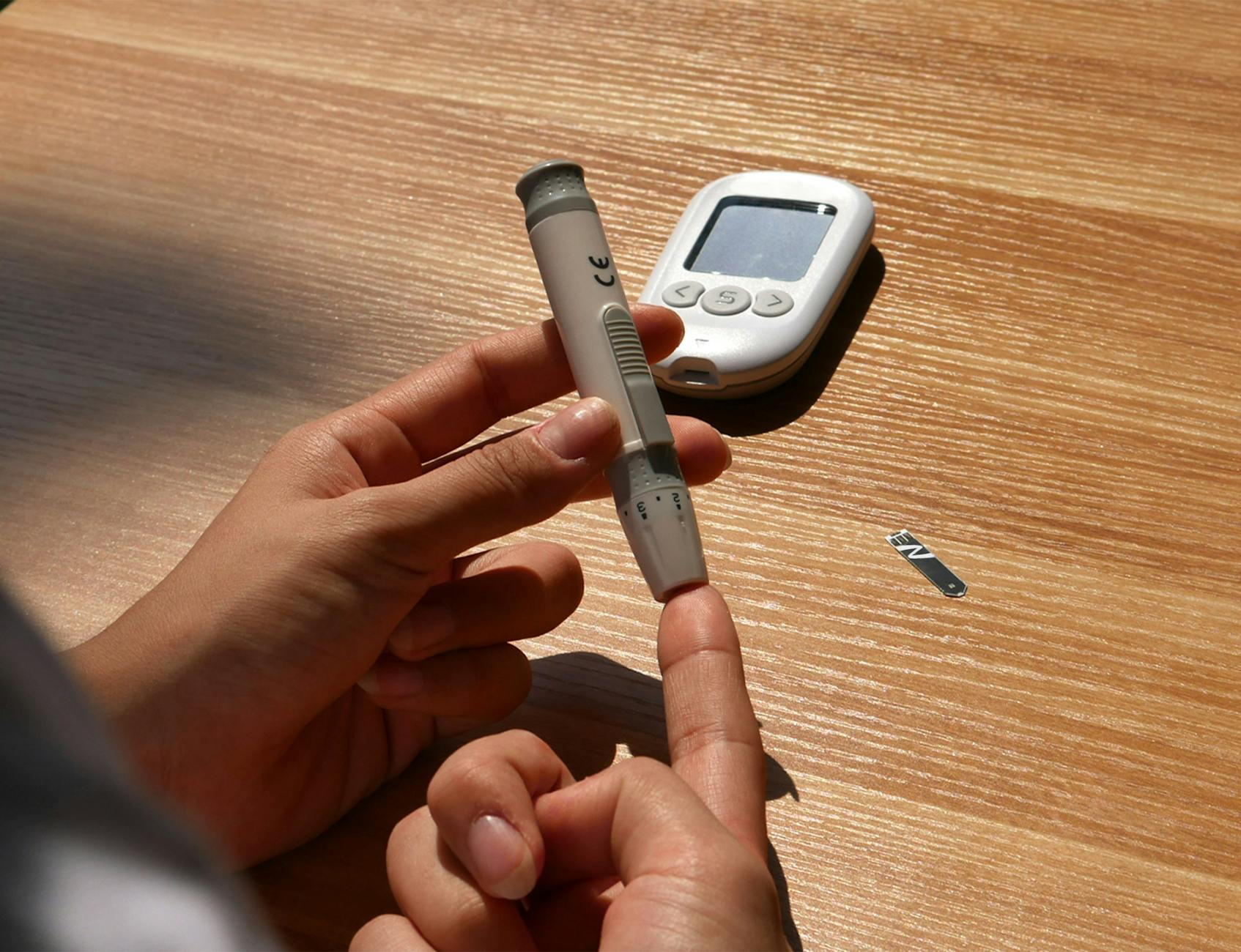
Multiple medication classes can effectively lower blood sugar, each with different mechanisms and side effect profiles. Metformin, the most commonly prescribed first-line agent, not only lowers blood sugar but also appears to offer some independent neuroprotection. GLP-1 agonists (a newer class including semaglutide and tirzepatide) lower glucose while also reducing cardiovascular disease, which is another key driver of cognitive decline. SGLT2 inhibitors protect kidney and heart function while lowering blood sugar. For many people, a single medication can achieve excellent glucose control with manageable side effects. The comparison with other dementia prevention strategies reveals diabetes treatment as remarkably practical.
Maintaining a Mediterranean diet and exercising 150 minutes weekly require sustained behavioral change that millions struggle to maintain. A single daily pill that lowers dementia risk requires only adherence to a medication regimen. For older adults with multiple chronic conditions limiting their physical capacity, medication-based diabetes control may be the most realistic path to dementia prevention they can achieve. A 72-year-old with arthritis and limited mobility might struggle to exercise adequately but can reliably take a once-daily diabetes medication. The tradeoff here is that medications address the immediate blood sugar elevation but don’t address underlying causes of insulin resistance like excess weight or sedentary lifestyle. Optimal outcomes typically combine medication with whatever lifestyle modifications the individual can realistically sustain.
The Limitation of Diabetes Control in Dementia Prevention
Despite strong evidence that diabetes control reduces dementia risk, it’s critical to recognize that controlling diabetes does not eliminate dementia risk entirely. People with excellently controlled diabetes still develop dementia at rates higher than those who never had diabetes, partly because the preceding years of poor glucose control may have already initiated neurodegeneration. Additionally, many people with diabetes also have other dementia risk factors—high blood pressure, high cholesterol, depression, poor sleep, or genetic vulnerability—that require independent management. A warning for those who achieve good glucose control: the cognitive improvements may take years to manifest, and the absence of cognitive decline is not the same as cognitive improvement.
Someone who prevented themselves from declining into dementia through good diabetes management may still experience normal age-related cognitive changes. They should not expect to regain lost cognitive function if dementia has already begun. Another limitation stems from the emerging understanding that Type 3 diabetes—when the brain itself loses its ability to respond to insulin—may be a separate condition from peripheral type 2 diabetes. Some people may have brain insulin resistance that persists despite excellent peripheral blood glucose control, requiring different interventions targeting brain insulin signaling directly.

Screening and Early Detection of Diabetes
Many cases of prediabetes and early type 2 diabetes go undetected for years, allowing preventable brain damage to accumulate. Unlike some health conditions, diabetes can be reliably identified through simple blood tests: fasting glucose, hemoglobin A1c (which measures average glucose over three months), or oral glucose tolerance testing. Standard medical guidance recommends screening every three years starting at age 45, or earlier for those with risk factors.
A practical example: a 48-year-old woman with a family history of diabetes and excess weight might have prediabetes with a hemoglobin A1c of 5.8 percent without any symptoms. Screening would detect this. Early intervention at the prediabetes stage—before full type 2 diabetes develops—can prevent progression in roughly half of cases through intensive lifestyle modification alone. This early detection window represents the highest-impact opportunity for dementia prevention through diabetes management.
The Future of Diabetes and Dementia Prevention
As research continues, the mechanisms linking diabetes to dementia are becoming specific enough to potentially enable targeted interventions beyond traditional glucose control. Drugs that reduce brain inflammation, enhance brain insulin signaling, or clear pathological proteins accumulating in the brains of diabetics are in development.
These approaches may eventually complement standard glucose management. The trajectory of evidence suggests that diabetes management will become increasingly recognized as a foundational element of dementia prevention, on par with cardiovascular disease management. Public health initiatives focusing on diabetes screening and effective treatment could yield population-level reductions in dementia incidence over the coming decades, particularly in lower-income communities where diabetes rates are highest and healthcare access remains limited.
Conclusion
Treating diabetes effectively is among the most evidence-supported and practical interventions available for reducing dementia risk. The biological mechanisms are clear—high blood sugar damages the brain through vascular injury, inflammation, and disruption of neural signaling—and the clinical evidence consistently shows that good glucose control provides substantial protection.
For many people, particularly those struggling with intensive lifestyle modifications, medication-based diabetes management offers a straightforward pathway to meaningful dementia risk reduction. The next step for anyone with diabetes or prediabetes is to work with their healthcare provider to establish a glucose management plan aligned with their individual circumstances, including medication if appropriate, realistic lifestyle changes, and regular monitoring. For those without diabetes, screening is warranted starting at age 45 or earlier if risk factors are present, with the understanding that early detection creates opportunities for prevention before brain damage accumulates.
Frequently Asked Questions
If I have well-controlled diabetes, am I guaranteed not to develop dementia?
No. Controlled diabetes significantly reduces dementia risk, but does not eliminate it. Other risk factors like high blood pressure, high cholesterol, depression, and genetics also contribute to dementia development. Complete dementia prevention requires a comprehensive approach addressing multiple risk factors.
How long does it take for improved glucose control to protect the brain?
Protective effects begin accumulating within months of achieving good blood sugar control, but the cognitive benefits are most apparent after years of sustained control. People who achieve good control in midlife see substantially better cognitive outcomes in older age.
Can dementia caused by diabetes be reversed if I start treating my diabetes now?
Partially, in some cases. Early cognitive decline related to diabetes can sometimes improve with good glucose control. However, if significant brain atrophy or dementia has already developed, reversing the damage completely is unlikely. Prevention is more effective than reversal.
Are all diabetes medications equally protective for the brain?
Different medications have different properties. Metformin appears to offer some independent neuroprotection. GLP-1 agonists and SGLT2 inhibitors provide cardiovascular benefits that indirectly protect the brain. Your doctor can recommend the option best suited to your situation.
What if I have prediabetes instead of diabetes—should I be concerned about dementia?
Prediabetes already increases dementia risk, though less dramatically than full type 2 diabetes. The positive news is that prediabetes is often reversible through intensive lifestyle changes, and early treatment prevents progression to diabetes and associated brain damage.
How do I know if my diabetes is truly “controlled”?
Diabetes is considered well-controlled when hemoglobin A1c is below 7% for most adults, though targets vary by individual circumstances. Work with your doctor to establish your personal target, check A1c levels regularly, and monitor for symptoms of blood sugar extremes.
You Might Also Like
- Doctors Say treating diabetes is the Easiest Way to Lower Dementia Risk
- Doctors Say treating sleep apnea is the Easiest Way to Lower Dementia Risk
- Doctors Say treating sleep apnea is the Easiest Way to Lower Dementia Risk
For more, see CDC — Alzheimer’s and Dementia.