Reviewed by the Help Dementia Editorial Team — our editors review every article for accuracy against guidance from the National Institute on Aging, the Alzheimer’s Association, and peer-reviewed sources.
Adding sauna sits at the center of this dementia and brain health question.
Recent research suggests that regular sauna use may offer meaningful protection against dementia, with studies showing that men who use saunas frequently can reduce their dementia risk by as much as 66 percent. A large Finnish study tracking nearly 14,000 participants over up to 39 years found an inverse relationship between sauna frequency and dementia diagnosis—the more regularly people used saunas, the lower their risk of cognitive decline. While this finding emerged from observational data rather than controlled experiments, it represents one of the most striking correlations found between a simple lifestyle habit and brain health protection. What makes this discovery particularly relevant is that sauna use is accessible to millions of people and requires no medication or expensive medical intervention.
Consider the case of regular sauna users in Finland, where the practice is culturally embedded; these individuals who visit saunas four to seven times per week were 65 percent less likely to develop Alzheimer’s disease compared to those using saunas only once weekly. The protective effect appears strongest at specific temperatures and durations, suggesting that how you use a sauna matters as much as how often. However, it’s important to understand that sauna use works best as part of a broader dementia prevention strategy, not as a replacement for established protective measures like regular exercise, a healthy diet, and avoiding smoking. The current evidence is compelling but comes with important limitations that anyone considering sauna use should understand.
Table of Contents
- How Sauna Frequency Influences Dementia Risk
- The Optimal Temperature and Duration for Dementia Protection
- The Vascular and Inflammatory Mechanisms Behind Brain Protection
- Building a Safe Sauna Routine Into Your Weekly Schedule
- Who Should Use Caution and What the Research Doesn’t Answer
- How Sauna Use Complements Other Proven Dementia Prevention Strategies
- Future Research and the Evolving Understanding of Heat and Brain Health
- Conclusion
How Sauna Frequency Influences Dementia Risk
The relationship between sauna use and dementia protection shows a clear dose-response pattern, meaning more frequent use generally correlates with greater protection. The Finnish study followed 13,994 participants ranging in age from 30 to 69 years old, identifying 1,805 dementia cases over the study period. After researchers adjusted for sociodemographic factors, lifestyle habits, and metabolic health markers, sauna frequency remained significantly associated with lower dementia risk. Men using saunas four to seven times per week showed a 66 percent reduction in dementia diagnosis and a 65 percent reduction in Alzheimer’s disease specifically, compared to those using saunas once weekly. The progression isn’t simply “more is better”—there appears to be a plateau effect.
The study found that moving from once-weekly use to four-to-seven times weekly provided substantial protection, but evidence for even more frequent use was limited. This suggests that establishing a consistent sauna routine several times per week represents a practical, sustainable target rather than requiring extreme frequency. Think of it similarly to exercise recommendations: research supports regular physical activity as protective, but we don’t find proportionally greater benefits from exercising 14 times weekly versus seven times. One important comparison worth noting is that while sauna use showed this strong correlation, the study authors were clear that their findings don’t establish sauna use as superior to other proven dementia prevention strategies. The mechanisms appear complementary rather than unique—sauna use may work through improved vascular function and reduced inflammation, similar to how cardiovascular exercise protects the brain.
The Optimal Temperature and Duration for Dementia Protection
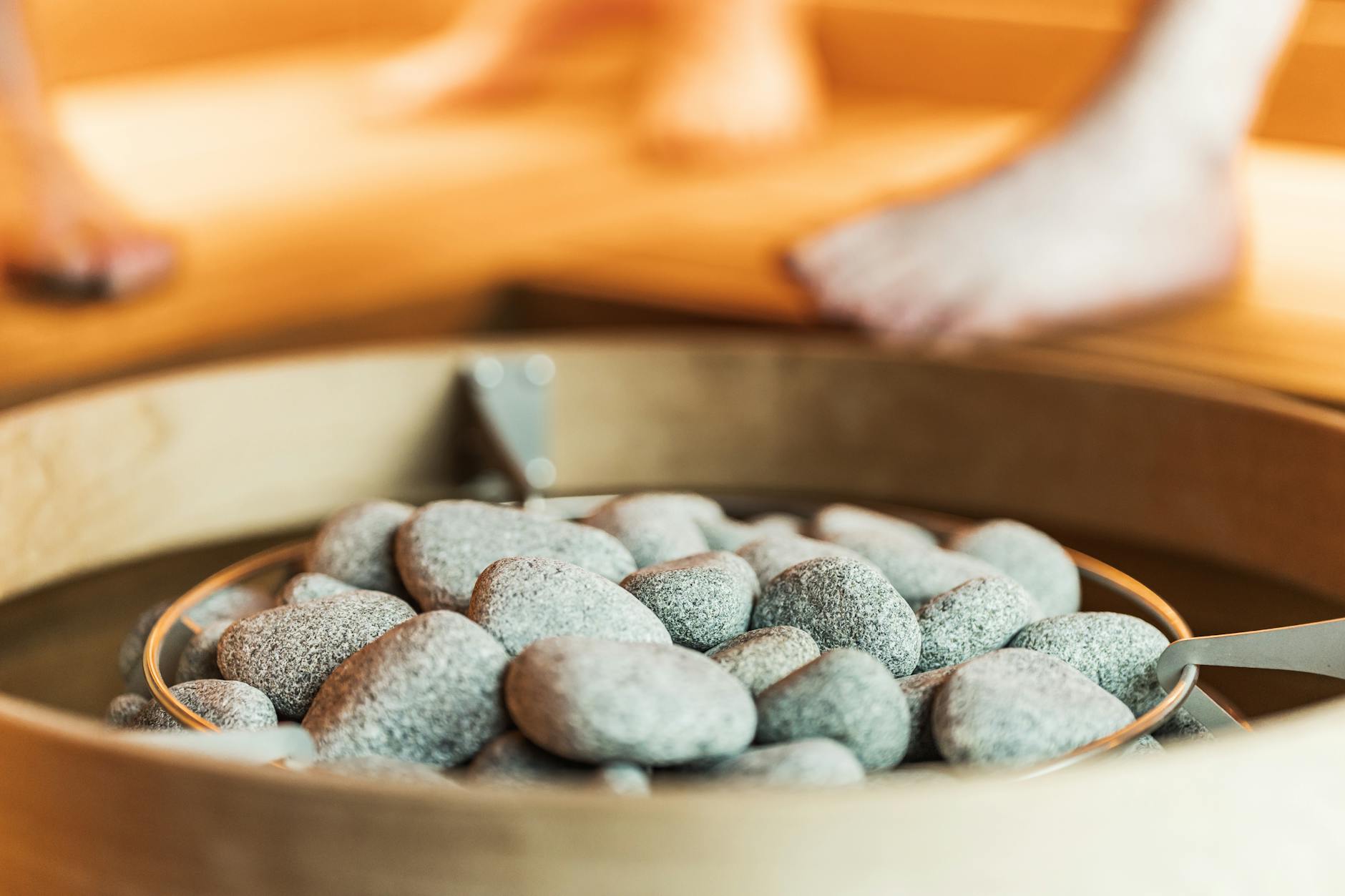
Research specifically examined which sauna parameters produced the strongest protective effects, and the findings are surprisingly specific: five to 14 minutes per session at temperatures between 80 and 99 degrees Celsius showed the most favorable dementia-protective outcomes. This is a crucial detail because it demonstrates that sauna benefits follow a specific physiological window—hotter isn’t automatically better. In fact, temperatures exceeding 100 degrees Celsius were associated with elevated dementia risk, suggesting that extreme heat exposure may create stress on the cardiovascular system that outweighs any protective benefits. The explanation for this optimal temperature range relates to how your body responds to heat stress. In the 80-99°C range, your cardiovascular system engages in beneficial adaptations: blood vessels dilate, circulation improves, blood pressure decreases, and systemic inflammation markers decline.
These changes directly support brain health by improving nutrient delivery and reducing the inflammatory environment that contributes to cognitive decline. However, at higher temperatures, the stress response may become excessive, potentially triggering harmful inflammatory cascades rather than beneficial adaptation. A significant limitation to acknowledge is that these optimal parameters were identified through observational research in Finnish saunas, where sauna use is culturally standard and people have access to consistent, well-maintained facilities. The protective effects of short-term sauna initiation—starting sauna use later in life—remain unclear. If you have cardiovascular conditions, are older, or are taking medications that affect blood pressure or heart rate, the safety and effectiveness profile of sauna use specifically for dementia prevention may differ, and medical consultation before beginning sauna use is advisable.
The Vascular and Inflammatory Mechanisms Behind Brain Protection
Sauna use appears to protect against dementia through several interconnected physiological pathways. Heat exposure triggers temporary stress on the cardiovascular system, which prompts adaptation: blood vessel function improves, blood pressure decreases even in resting state after regular sauna use, and endothelial function—the ability of blood vessel linings to regulate blood flow—becomes enhanced. Since cognitive decline often accompanies vascular dysfunction and reduced brain blood flow, these improvements have direct relevance to dementia prevention. The improved circulation delivers more oxygen and nutrients to brain tissue while clearing metabolic waste products that accumulate in neurodegenerative diseases. Simultaneously, regular sauna use reduces markers of systemic inflammation throughout the body.
Chronic inflammation is increasingly recognized as a fundamental driver of Alzheimer’s disease and other dementias—inflammatory molecules can damage neurons, disrupt synaptic function, and promote the accumulation of toxic protein aggregates. By lowering inflammatory markers, sauna use addresses this root cause. Some research has shown that sauna use increases heat shock proteins, which act as cellular protectants and help cells repair damage caused by aging and disease. An important example of how these mechanisms work together: an older adult with mild cognitive impairment and borderline high blood pressure might benefit from sauna use not only through improved blood flow and reduced inflammation, but also through modest improvements in blood pressure control. However, these mechanisms are the proposed explanations for benefit based on what we know about physiology—they haven’t been definitively proven in humans using sauna specifically for dementia prevention, since no randomized controlled trials of sauna use for dementia prevention exist.

Building a Safe Sauna Routine Into Your Weekly Schedule
For those interested in exploring sauna use as part of dementia prevention, establishing a sustainable routine matters more than maximizing frequency or heat exposure. Based on current evidence, targeting sauna use four to seven times per week, with individual sessions lasting 5-14 minutes at 80-99°C, aligns with the protective parameters identified in research. Many people find that integrating sauna use into existing wellness routines—visiting a gym or community center, or using a home sauna if available—makes consistency easier. Starting gradually is sensible if you’re new to sauna use. Begin with shorter sessions at moderate temperatures, allowing your cardiovascular system to acclimate to heat stress.
Stay well-hydrated before, during, and after sauna use, and avoid using saunas if you’re ill or have a fever. Pay attention to how your body responds; dizziness, chest discomfort, or irregular heartbeats warrant stopping immediately and consulting a healthcare provider. The goal is to create a pleasant, tolerable routine you can sustain for years, not an extreme practice. One practical comparison: think of sauna use as similar to other preventive health habits like walking, which also improves cardiovascular health and reduces dementia risk through established mechanisms. Just as a 20-minute walk several times weekly provides substantial benefits without requiring marathon training, regular sauna sessions at moderate parameters provide measurable protection without requiring extreme heat exposure. The key is consistency and sustainability over months and years.
Who Should Use Caution and What the Research Doesn’t Answer
Certain populations should approach sauna use with particular caution or medical guidance. People with uncontrolled high blood pressure, heart disease, or arrhythmias should consult their physician before regular sauna use, since the cardiovascular stress—while beneficial for healthy individuals—may be problematic in these conditions. Similarly, those taking medications that affect blood pressure, heart rate, or fluid balance should discuss sauna use with their healthcare provider. Pregnant individuals should avoid saunas due to potential effects of elevated core body temperature. People with acute infections or fever should wait until fully recovered before resuming sauna use.
A critical limitation of current evidence is that all dementia-sauna research consists of observational studies conducted primarily in Finland, where sauna culture is deeply embedded and study participants likely had decades of consistent access to high-quality facilities. The protective effects identified might reflect unmeasured aspects of Finnish culture, diet, social connection, or fitness levels that aren’t fully captured in statistical adjustments. Moreover, we don’t know whether someone beginning sauna use at age 60 or 70 would experience equivalent protection to someone who’s used saunas regularly for decades. The research doesn’t address whether sauna use helps those already showing signs of cognitive decline, or whether it only prevents decline in cognitively healthy individuals. The most important limitation to emphasize is that no randomized controlled trials exist comparing sauna use to control conditions. While the association between sauna frequency and lower dementia risk is statistically robust and based on large-scale, long-term data, we cannot definitively say that sauna use *causes* the reduced dementia risk rather than being associated with other protective factors in people’s lives.

How Sauna Use Complements Other Proven Dementia Prevention Strategies
Sauna use appears most valuable when integrated into a broader dementia prevention approach that includes strategies with stronger evidence bases. Regular aerobic exercise, the Mediterranean or DASH diet, cognitive engagement, quality sleep, strong social connections, and hearing correction (for those with hearing loss) all have randomized controlled trial evidence supporting their role in dementia prevention. Compared to these established approaches, sauna use offers complementary value through its vascular and inflammatory benefits, but shouldn’t displace proven prevention strategies.
For example, someone interested in dementia prevention would benefit far more from combining regular aerobic exercise (which addresses multiple dementia risk factors with stronger evidence) with regular sauna use, than from sauna use alone. The combination addresses both cardiovascular health through exercise and additional vascular benefits plus inflammation reduction through sauna use. This additive approach maximizes protection using the evidence available.
Future Research and the Evolving Understanding of Heat and Brain Health
The sauna-dementia connection represents an emerging area where cultural practices are being examined through modern research methodology, revealing protective mechanisms many practitioners intuitively understood. Future research should clarify whether people beginning sauna use later in life experience equivalent benefits, whether different sauna types (traditional dry Finnish saunas, infrared saunas, steam rooms) offer similar protection, and whether randomized controlled trials could establish causation rather than association.
The broader implication is that simple, accessible lifestyle interventions may play underappreciated roles in brain health. As dementia rates continue rising globally and pharmacological interventions remain limited, identifying behavioral modifications like sauna use that correlate with substantial risk reduction deserves continued investigation. Whether sauna use ultimately proves as protective as exercise or diet remains to be determined, but the current evidence warrants serious consideration for those seeking multiple pathways to cognitive protection.
Conclusion
Regular sauna use—specifically four to seven times weekly, for 5-14 minutes per session at 80-99°C—correlates with approximately 66 percent lower dementia risk in longitudinal research following thousands of participants over decades. The proposed mechanisms involve improved vascular function, reduced systemic inflammation, and better blood pressure control, all of which directly support brain health. While this evidence is compelling and sauna use is accessible and generally safe for healthy individuals, it’s crucial to understand the current limitations: all evidence is observational rather than from controlled trials, studies are primarily from Finland, and sauna use works best as part of a comprehensive dementia prevention strategy alongside exercise, healthy diet, cognitive engagement, and other established protective measures.
If you’re interested in sauna use for brain health, begin gradually with medical consultation if you have cardiovascular concerns, maintain consistent use at moderate parameters, and integrate sauna routines with other proven dementia prevention approaches. The evidence suggests meaningful protection is possible, but sauna use represents one component of brain health rather than a standalone solution. Stay hydrated, pay attention to how your body responds, and view regular sauna practice as a long-term wellness commitment similar to exercise—a habit with growing evidence for cognitive protection that may serve your brain health for decades to come.
You Might Also Like
- Adding volunteering to Your Routine Could Protect Against Dementia
- Adding volunteering to Your Routine Could Protect Against Dementia
- Adding taking 8,000 steps a day to Your Routine Could Protect Against Dementia
For more, see Alzheimer’s Association — caregiving.