Reviewed by the Help Dementia Editorial Team — our editors review every article for accuracy against guidance from the National Institute on Aging, the Alzheimer’s Association, and peer-reviewed sources.
Yes, adding gardening to your routine could meaningfully protect against dementia. Recent research shows that people who garden regularly have significantly lower rates of cognitive decline compared to those who don’t—a 28% lower risk of subjective cognitive decline and a 43% lower risk of functional limitations related to cognitive problems. This protection extends into the later years of life when cognitive decline typically accelerates. Consider Margaret, a 72-year-old who started a small vegetable garden after her brother was diagnosed with Alzheimer’s disease.
Within months, not only had her mood improved, but her family noticed she was sharper, more engaged, and more confident in her memory and thinking. The evidence comes from rigorous scientific studies tracking thousands of people over time. What makes gardening particularly compelling is that it works through multiple pathways—it provides physical activity, mental stimulation, exposure to nature, and a sense of purpose. These benefits aren’t limited to prevention either; even people already diagnosed with dementia show measurable cognitive improvements from gardening activities.
Table of Contents
- How Does Gardening Lower the Risk of Cognitive Decline?
- Gardening as Active Treatment for Dementia Diagnosis
- The Physical Activity and Brain Health Connection
- Starting a Garden When You Have Limited Space or Mobility
- Sustainability and the Risk of Overexertion
- The Social Component of Gardening
- The Evolving Understanding of Dementia Prevention
- Conclusion
How Does Gardening Lower the Risk of Cognitive Decline?
A major 2024 study published in the Nutrition Journal examined 136,748 adults aged 45 and older and found that gardeners had dramatically better cognitive outcomes. Those who gardened had a 28% lower odds of experiencing subjective cognitive decline—the noticeable memory lapses and thinking difficulties that people first notice themselves—and a 43% lower odds of developing functional limitations related to cognitive decline. These aren’t minor differences; they represent substantial protective effects. The research from the University of Edinburgh in 2024 revealed something particularly striking: gardening benefits persist into very late life. People who gardened showed improved thinking skills and cognitive function well into their 80s, when cognitive abilities typically decline noticeably.
The study followed people between ages 79 and 90—years when people usually expect their mental sharpness to fade—and found that gardeners maintained better cognitive abilities than their non-gardening peers. This suggests that gardening isn’t just a prevention strategy for middle-aged adults; it actively maintains mental sharpness throughout later life. Part of gardening’s protective effect comes through an unexpected pathway: mood improvement. Research shows that approximately 15–22% of the cognitive benefit from gardening is explained by reduced depression and improved mental health. This means that when you garden, you’re not just protecting your brain directly—you’re also lifting your mood, and that improvement in emotional health translates into better cognitive protection.

Gardening as Active Treatment for Dementia Diagnosis
While prevention is crucial, gardening also serves as an active therapeutic intervention for people who have already been diagnosed with dementia. A clinical study of 23 people with moderate-to-severe dementia found that engaging in indoor gardening activities produced statistically significant improvements in cognitive function. These weren’t subtle changes; they were measurable improvements in thinking, memory, and mental processing.
Garden therapy in dementia care settings consistently shows higher mood and better behavioral outcomes compared to other structured activities. People with dementia who participate in gardening activities show reduced agitation, improved social engagement, and greater overall well-being. However, there’s an important limitation to consider: while cognitive improvements were documented, the studies didn’t measure whether these improvements persist long-term after the intervention ends. Most benefits appear to be sustained during active participation, which means gardening works best as an ongoing practice rather than a one-time intervention.
The Physical Activity and Brain Health Connection
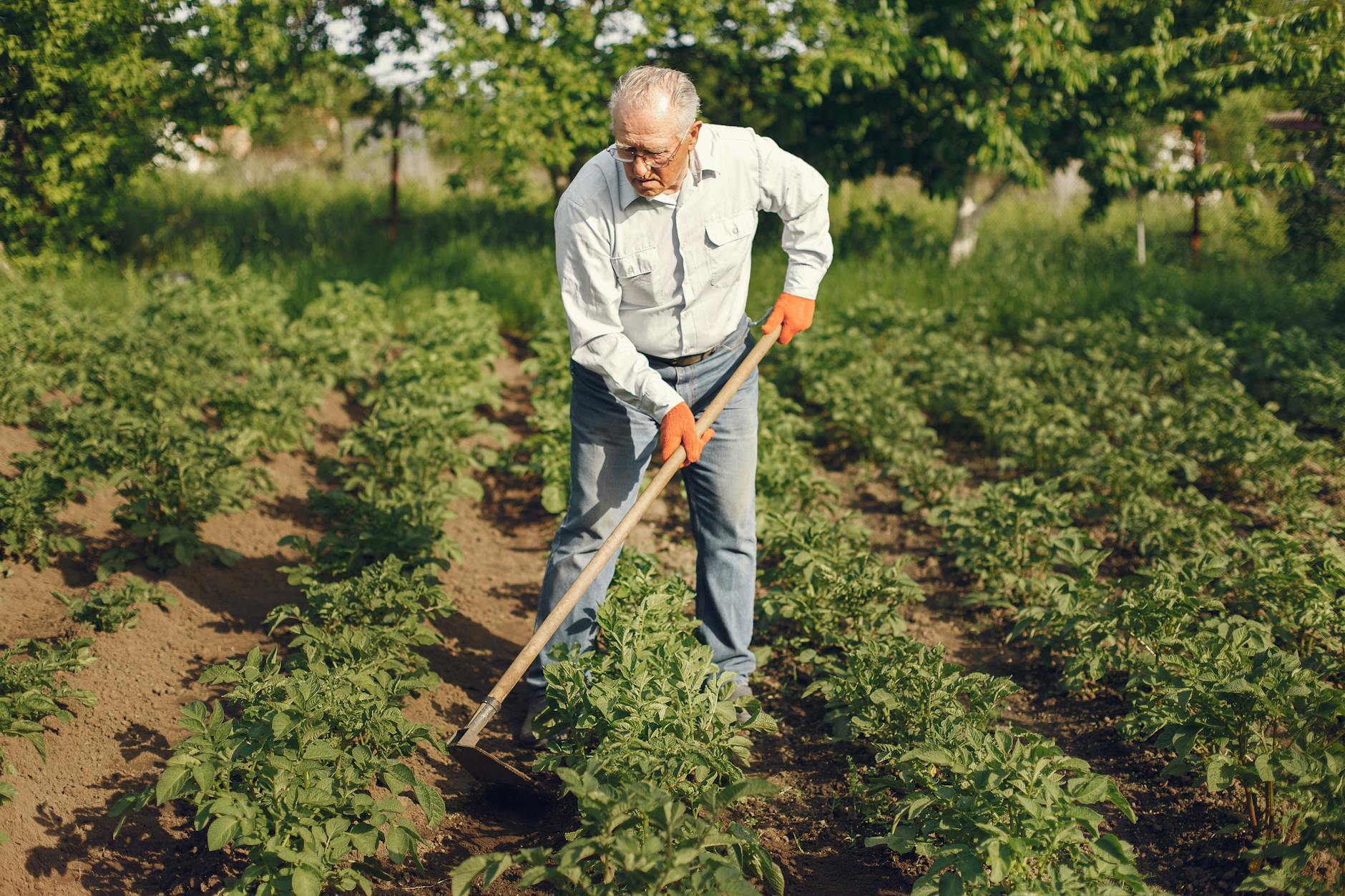
Gardening provides genuine physical activity that directly supports brain health. The physical exertion involved in digging, planting, weeding, and harvesting increases blood flow to the brain, promotes the growth of new brain cells, and strengthens neural connections. An average gardening session can burn 200–400 calories and engages muscles throughout your body, comparable to a moderate walk or light exercise class.
Consider the difference between scrolling through gardening content online and actually growing something outdoors. Someone spending an hour looking at gardening videos on their phone gets some mental interest but minimal physical activity. The same person spending an hour tending an actual garden gets cardiovascular exercise, strength-building, coordination challenges, problem-solving demands, and sensory engagement—all of which activate multiple brain systems simultaneously. The tactile experience of handling soil and plants, the visual engagement of watching growth progress, and the mental demands of planning and troubleshooting create a rich cognitive workout.

Starting a Garden When You Have Limited Space or Mobility
Not everyone has access to a large outdoor garden, and mobility limitations can be real barriers. Indoor gardening using containers, raised beds, or vertical systems provides many of the same benefits as traditional gardens. Apartment dwellers can grow herbs and vegetables on balconies; people with limited mobility can tend container gardens at standing height or in raised beds that minimize bending. However, there’s a tradeoff worth understanding.
Indoor container gardening requires more frequent watering and fertilizing than ground gardens because containers don’t retain moisture or nutrients as effectively. You’ll need to monitor your plants more carefully. Additionally, outdoor gardening offers the extra benefit of sunlight exposure, which helps regulate circadian rhythms and boosts mood through vitamin D production—benefits that indoor gardening partially misses. That said, indoor gardening still delivers cognitive and therapeutic benefits; it’s just a modified version that works within real-world constraints.
Sustainability and the Risk of Overexertion
One important limitation: gardening’s benefits assume consistent, regular participation. Someone who gardens intensely for two weeks and then abandons it won’t see the cognitive protection that people who garden throughout the year experience. The research shows sustained benefits from sustained practice.
Additionally, gardening as a dementia protection strategy only works if you actually do it, which means you need to choose plants and systems that feel manageable and sustainable for your life situation. There’s also a physical warning worth noting: gardening can involve repetitive movements, heavy lifting, and time spent in heat and sun. People with specific health conditions—severe arthritis, certain heart conditions, or significant mobility limitations—should discuss gardening with their healthcare provider before starting. Starting gradually and using proper ergonomics (good posture while digging, appropriate tool handles, taking breaks) prevents injury and makes gardening sustainable long-term.
The Social Component of Gardening
Gardening often naturally includes social elements that further protect cognitive health. Community gardens connect people with others, creating opportunity for social engagement and reducing isolation—both risk factors for dementia.
Group gardening projects at community centers or through dementia care programs add meaningful social interaction to the cognitive and physical benefits of the activity itself. For example, a community garden program at a local senior center might involve a dozen people from the neighborhood tending individual plots, sharing knowledge about pest control and seasonal planting, and celebrating harvests together. This social engagement amplifies the cognitive benefits; you’re not just engaging your brain through gardening, you’re doing it alongside other people, which adds conversation, learning, and emotional connection.
The Evolving Understanding of Dementia Prevention
Research on dementia prevention has shifted significantly over the past decade. Rather than viewing dementia as inevitable, scientists increasingly recognize that lifestyle factors—including physical activity, cognitive engagement, social connection, and mood management—meaningfully affect risk. Gardening addresses multiple protective factors simultaneously, which may explain why it shows such strong protective effects in the research.
The future of dementia prevention likely involves personalized approaches that fit into individual lifestyles and abilities. For some people, that might be traditional gardening; for others, it might be container gardening, indoor plants, or community garden participation. The core element appears to be consistent engagement with growing things in a way that provides physical activity, cognitive challenge, and emotional satisfaction.
Conclusion
Adding gardening to your routine could meaningfully protect your cognitive health, whether you’re in your 50s seeking prevention or in your 80s aiming to maintain sharp thinking. The evidence from large-scale studies and clinical research is clear: gardening reduces the risk of cognitive decline, supports healthy thinking skills into advanced age, and even provides cognitive improvements for people already diagnosed with dementia. The protection appears to work through multiple pathways—physical activity, mental engagement, mood improvement, and sense of purpose.
The practical starting point is simple: identify what type of gardening fits your situation, whether that’s a backyard garden, container plants on a balcony, or participation in a community garden. Start with plants that match your skill level and commit to regular participation rather than sporadic effort. The cognitive protection comes from sustained engagement, not occasional activity. If you’re concerned about dementia risk, whether because of family history or early cognitive changes you’ve noticed, gardening represents one of the most evidence-supported, accessible, and enjoyable protective strategies available.