Reviewed by the Help Dementia Editorial Team — our editors review every article for accuracy against guidance from the National Institute on Aging, the Alzheimer’s Association, and peer-reviewed sources.
Adding attending sits at the center of this dementia and brain health question.
Attending religious services regularly appears to offer significant protection against dementia and Alzheimer’s disease. Research shows that people who never attend religious services face 2.37 times higher odds of developing Alzheimer’s disease and related dementias compared to those who attend more than once a week. This protective effect is not about denomination or dogma—it’s rooted in the measurable, physiological benefits that regular religious participation provides to brain health across aging. Consider Margaret, a 72-year-old who began attending church weekly after retiring.
Five years later, her cognitive tests showed no decline, while her sister of similar age and family history, who had never attended services, was navigating an early Alzheimer’s diagnosis. While individual cases vary, Margaret’s experience reflects what large-scale studies are now confirming: the act of gathering for religious services—with its combination of social connection, structured routine, spiritual practice, and cognitive stimulation—may be one of the most underutilized tools in dementia prevention. What makes this finding particularly compelling is that the protective effect increases steadily. Dementia risk doesn’t drop suddenly at some threshold of attendance; instead, it decreases linearly as religious and spiritual participation increases. This suggests that whatever mechanisms are at work—and researchers are identifying several—they strengthen with consistent engagement.
Table of Contents
- How Religious Service Attendance Reduces Dementia Risk
- Benefits for Those Already Living with Cognitive Decline
- The Social Connection Component
- Spiritual Practice as a Stress-Reduction Tool
- Individual Variation and Who Benefits Most
- The Routine and Ritual Element
- The Emerging Research Frontier
- Conclusion
How Religious Service Attendance Reduces Dementia Risk
The connection between religious participation and lower dementia rates has emerged from rigorous epidemiological research. The Health and Retirement Study, which tracked thousands of Americans over years, found that the risk reduction is real and substantial. People attending services more than once weekly showed the strongest protection, but even moderate attendance offered meaningful benefit compared to never attending. The protective mechanism appears multifaceted. Religious stress coping—the practice of turning to prayer, faith community, and spiritual beliefs during difficult times—reduces depression, a known risk factor for dementia. Depression itself damages hippocampal volume and impairs cognitive reserve, the brain’s ability to compensate for age-related changes.
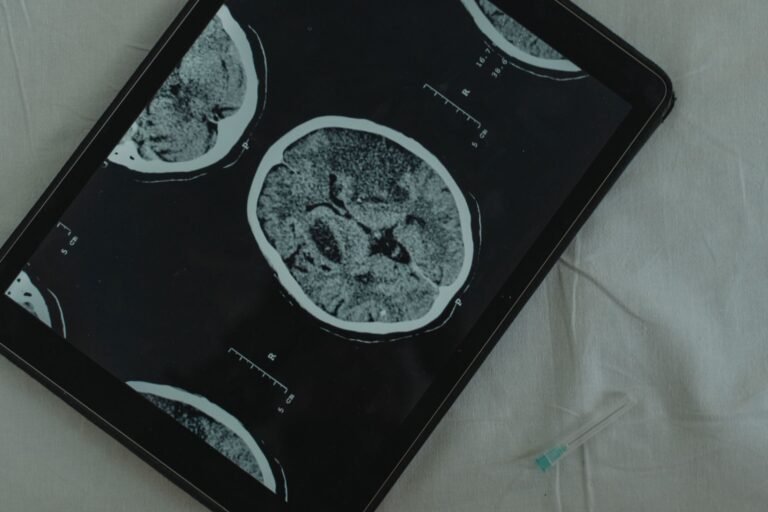
By buffering against depression, religious practices indirectly protect brain structure and function. Additionally, recent research has found that religious stress coping is associated with lower levels of entorhinal tau pathology, a hallmark of Alzheimer’s disease visible in brain imaging. This suggests that spiritual practices may slow or reduce the accumulation of the exact proteins that characterize Alzheimer’s pathology. However, it’s important to note that these studies cannot prove causation with absolute certainty. People who attend religious services may differ in other ways—healthcare access, diet, social networks, or genetic predisposition—that themselves influence dementia risk. Researchers have attempted to control for these confounding factors statistically, but unmeasured differences may remain. The evidence is compelling enough to warrant attention, but realistic enough to acknowledge its limitations.

Benefits for Those Already Living with Cognitive Decline
For people already diagnosed with mild cognitive impairment or dementia, religious participation offers measurable improvements in daily functioning. Increased religious attendance was associated with lower neuropsychiatric symptoms—meaning fewer episodes of agitation, aggression, or mood disturbance—better preserved cognitive function, and fewer sleep disturbances in older adults with all-cause dementia. These aren’t trivial improvements. Neuropsychiatric symptoms are often the most disruptive aspect of dementia for both patients and caregivers. A person who becomes less agitated, sleeps better, and maintains better cognitive clarity experiences a higher quality of life, and their family experiences less caregiver burden.
In one study examining people with mild cognitive impairment, those who engaged in heightened religious or spiritual activity showed decreased behavioral expressions of cognitive problems and improved cognitive test performance compared to less engaged peers. The limitation here is that most of this research is observational—researchers measured what happened in people who chose to attend services, rather than randomly assigning some people to attend and others not to. It’s possible that people with less severe cognitive decline are more able to attend services, creating a selection bias. Additionally, these findings don’t tell us the optimal frequency or intensity of participation. Some benefit appears with any attendance, but the research doesn’t specify whether attending weekly, twice monthly, or daily (as some traditions involve) produces the greatest benefit.
The Social Connection Component
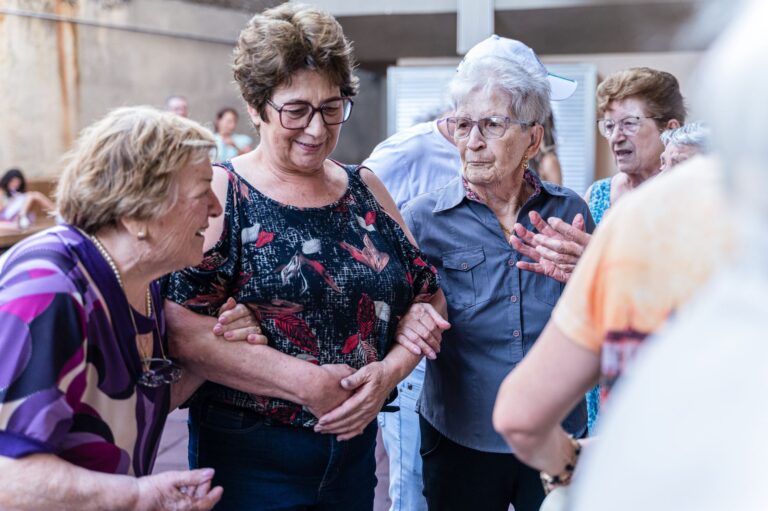
Religious services provide structured, predictable social engagement—a factor that researchers increasingly recognize as crucial for brain health. Unlike casual social contact, religious gatherings happen on a regular schedule, involve the same community members, and include activities that engage multiple cognitive systems simultaneously: singing, listening, standing, sitting, exchanging greetings, and processing theological or inspirational content. This structured social engagement is particularly protective for isolated older adults. Consider the contrast between an 80-year-old who attends a weekly service, greets longtime friends, participates in a congregational meal, and discusses that week’s sermon—versus an 80-year-old who experiences most of her week alone, watching television. The first person receives cognitive stimulation, social connection, sense of purpose, and predictable routine.
The second experiences none of these. Research on social isolation shows it increases dementia risk by mechanisms similar to smoking or obesity. Religious services essentially provide a regularized form of the social engagement that protects brain health. Some religious communities also offer additional cognitive engagement through Bible studies, discussion groups, volunteer opportunities, or mentoring roles. These activities add layers of mental stimulation beyond the service itself. Older adults who lead such activities, teach children, or serve in pastoral roles receive additional cognitive challenge.

Spiritual Practice as a Stress-Reduction Tool
Prayer and meditation—core practices in religious traditions—directly activate brain regions associated with attention, emotional regulation, and self-awareness. They also reduce cortisol and other stress hormones that, in excess, are toxic to the hippocampus and prefrontal cortex—regions critical for memory and decision-making. For an older adult managing chronic illness, loss, grief, or physical decline, prayer offers a coping mechanism that research has linked to measurable reductions in Alzheimer’s pathology. The mechanism isn’t magical: stress activates inflammatory pathways in the brain that accelerate tau and amyloid accumulation. By reducing chronic stress through spiritual practice, religious people may be slowing these pathological processes.
This is why meditation studies, separate from religious research, also show cognitive benefits—the mechanism involves stress reduction, though the spiritual context may provide additional meaning and commitment that makes the practice sustainable. The practical tradeoff is that not everyone finds spiritual practice resonant. A person forced to attend services out of obligation, rather than genuine belief or interest, likely receives less benefit. The protective effect of religious participation appears to require actual engagement, not mere physical presence. For people without religious faith, other stress-reduction practices—meditation, yoga, mindfulness-based interventions—may provide similar cognitive benefits, though the research base is less extensive for dementia prevention specifically.
Individual Variation and Who Benefits Most
Recent research has examined whether religious participation’s protective effect varies across racial and ethnic groups. A 2025 study published in SAGE Journals examined religious involvement and cognitive function among White, Black, and Hispanic older adults, finding that benefits were consistent across these groups. This is meaningful because it suggests the protective mechanism is robust and not confined to specific cultural or faith traditions. However, there are important caveats. Much of the dementia research on religious participation has been conducted in the United States and other Western contexts.
Whether these findings apply to people in cultures with very different religious practices, family structures, or healthcare systems remains unclear. Additionally, the research typically measures formal religious service attendance; people who practice spirituality privately, through prayer at home or meditation without community involvement, may or may not receive the same benefit. The social component appears important, which suggests that private spiritual practice alone may not be equivalent to community attendance. Some people cannot attend services due to mobility limitations, caregiving responsibilities, or health conditions. For these individuals, virtual participation in religious services has become more accessible since 2020, though research on whether online participation provides equivalent cognitive benefits is still emerging. There’s also a real concern about religious communities that are unwelcoming, judgmental, or unhealthy—attending a service that induces stress or shame would likely negate any protective benefit.

The Routine and Ritual Element
Beyond the social and spiritual dimensions, religious services provide something neuroscience increasingly recognizes as protective: reliable routine. The human brain benefits from predictable patterns. Knowing that you attend services at 10 a.m. on Sunday, that you’ll see the same people, follow familiar rituals, and return home by noon provides cognitive structure that aging brains need. Consider an older adult with early dementia who lives alone.
Without external structure, the day becomes undifferentiated—time stretches, cognitive demands become unpredictable, and depression can deepen. Adding a weekly religious service creates a anchor point. Everything else in the week can organize around it: Saturday becomes “prep day,” Sunday morning has purpose, Sunday afternoon might involve congregational lunch with friends. This structure itself supports cognitive function independent of what is believed or practiced spiritually. It’s why cognitive therapists for dementia often recommend structured daily activities—and why religious communities, which provide this structure, may offer unusual cognitive protection.
The Emerging Research Frontier
Neuroscience is beginning to explain why religious practice affects Alzheimer’s pathology at the molecular level. Functional brain imaging shows that prayer and religious meditation activate the default mode network—the brain’s “self-referential” circuitry that is active during rest and reflection. Regular activation of this network appears protective; its disruption is associated with cognitive decline. Additionally, religious practice may enhance cognitive reserve—the brain’s capacity to maintain function despite pathological changes.
Someone with high cognitive reserve can tolerate more amyloid or tau before showing dementia symptoms. The frontier of this research involves examining whether specific religious practices—contemplative prayer versus communal singing, for instance—produce different cognitive outcomes. It also involves understanding optimal dosing: is one service weekly sufficient, or does more frequent participation offer greater protection? And critically, researchers are exploring what non-religious interventions might provide equivalent benefits for people without faith traditions. If the mechanism is fundamentally about stress reduction, social connection, and cognitive stimulation, then secular community groups, educational programs, or exercise classes that provide these elements might offer similar protection. Early research on such alternatives is promising but still limited.
Conclusion
Adding regular religious service attendance to your routine could meaningfully protect your brain against cognitive decline and dementia. The evidence, drawn from large longitudinal studies and recent research across diverse populations, shows that people who attend services regularly face substantially lower risk of Alzheimer’s disease and, if cognitive decline develops, experience fewer symptoms and better preserved function. The protective mechanisms involve stress reduction, social connection, cognitive stimulation, and possibly direct effects on Alzheimer’s pathology. If you have a faith tradition, increasing service attendance is a straightforward, accessible step toward dementia prevention.
If you don’t, or if your local religious community feels unwelcoming, consider other structured activities that provide similar benefits: regular participation in community groups, educational classes, volunteer opportunities, or meditation practices. The core elements—reliable routine, social connection, stress management, and cognitive engagement—matter more than the specific format. The goal is to build regular practices that keep your brain stimulated, socially connected, and emotionally regulated as you age. In doing so, you’re addressing one of the most modifiable risk factors for dementia that research has yet identified.
You Might Also Like
- Adding attending religious services to Your Routine Could Protect Against Dementia
- Adding volunteering to Your Routine Could Protect Against Dementia
- Adding volunteering to Your Routine Could Protect Against Dementia
For more, see Alzheimer’s Association — medical tests.