Walk End Alzheimers: this caregiver-focused guide explains what walk end alzheimers means in plain English, the day-to-day implications for families, and when to bring it up with a clinician. If you arrived here looking for a quick orientation on walk end alzheimers, the table of contents below points to the section you need; the full guide picks up after it.
For a broader overview, see our dementia symptoms and diagnosis guide.
Table of contents
- Table of Contents
- How Many Communities Are Participating in the 2026 Walk Events?
- What Is the History and Significance of This Annual Event?
- Where and When Are 2026 Walk to End Alzheimer's Events Scheduled?
- How Do I Register and What Does Participation Involve?
- What Makes This Event Different from Other Fundraising Walks?
- Who Typically Participates and How Can You Find Your Local Walk?
- Why Participate in Walk to End Alzheimer's This Year?
Walk to End Alzheimer’s events are officially launching across the country for 2026, with registration now open for more than 600 community walks nationwide. The Alzheimer’s Association has opened its annual event registration, allowing participants to join what is recognized as the world’s largest gathering dedicated to raising awareness and funds for Alzheimer’s care, support, and research.
This year’s events will take place throughout the fall and winter months, from September through December, giving people across all 50 states multiple opportunities to participate in their local communities. Whether you’re a longtime supporter of the cause or new to Alzheimer’s advocacy, these walks offer a meaningful way to connect with others affected by the disease and contribute to the fight against cognitive decline. This article covers the scope of the 2026 Walk to End Alzheimer’s events, specific dates and locations already scheduled across the country, how to register and participate, the history and impact of this decades-long initiative, and practical information for anyone considering joining a walk in their area.
Table of Contents
- How Many Communities Are Participating in the 2026 Walk Events?
- What Is the History and Significance of This Annual Event?
- Where and When Are 2026 Walk to End Alzheimer’s Events Scheduled?
- How Do I Register and What Does Participation Involve?
- What Makes This Event Different from Other Fundraising Walks?
- Who Typically Participates and How Can You Find Your Local Walk?
- Why Participate in Walk to End Alzheimer’s This Year?
- Conclusion
How Many Communities Are Participating in the 2026 Walk Events?
The 2026 Walk to End Alzheimer’s will be held in more than 600 communities across the nation, making it one of the largest coordinated fundraising events in the United States. This massive scale reflects the reach of the Alzheimer’s Association and the widespread impact of cognitive decline on American families. By organizing events in communities from coast to coast, the association ensures that people regardless of where they live can find a walk nearby and participate in person.
The breadth of this network means that Alzheimer’s-related fundraising and awareness efforts will touch nearly every region of the country simultaneously. Participants in urban centers like new York City and Philadelphia will walk alongside people in smaller communities that might otherwise lack access to major Alzheimer’s initiatives. This distributed approach recognizes that dementia affects families everywhere and that local community engagement is critical to building support networks and raising funds for research.

What Is the History and Significance of This Annual Event?
The Alzheimer’s Association has been mobilizing Americans through the Walk to End Alzheimer’s since 1989, making it a nearly 40-year-old tradition of community action against cognitive decline. over these decades, millions of Americans have participated, collectively raising substantial funds that have supported Alzheimer’s research, care programs, and support services for patients and families. The longevity of the event speaks to its importance in the nonprofit landscape and its ability to adapt while maintaining its core mission.
However, it’s important to recognize that while the Walk is one of many Alzheimer’s fundraising initiatives, it is not the only avenue for supporting research and care. Other organizations and research institutions also conduct important work in cognitive health, and donors should research where their contributions go. That said, the Alzheimer’s Association’s track record of nearly four decades demonstrates a sustained commitment to turning awareness into action. The walk has evolved from a small local effort into a nationwide phenomenon precisely because it combines two powerful elements: personal stories from families affected by Alzheimer’s and organized fundraising that supports tangible research and care initiatives.
Where and When Are 2026 Walk to End Alzheimer’s Events Scheduled?
The 2026 Walk to End Alzheimer’s events are spread across the fall and winter months, with confirmed dates already announced in major metropolitan areas and communities nationwide. September events include the Detroit walk on September 27 and the Long Branch, New Jersey walk on September 19. October brings multiple opportunities, with events in Westchester County, New York on October 4; Queens, New York on October 25; Ocean City, New Jersey on October 26; and Atlanta, Georgia on October 31.
November and December rounds out the season with walks in Brooklyn, New York on November 8; Manhattan, New York on November 14; and Philadelphia, Pennsylvania on December 31. These dates reflect the geographic diversity of participation and allow participants to join at times that work for their local calendars. It’s worth noting that these are only a sample of confirmed dates—additional events are scheduled across all 50 states, and the complete event locator on the official Alzheimer’s Association website will show all walk dates and locations. Many communities schedule their walks regionally to build local momentum and encourage neighborhood participation.
How Do I Register and What Does Participation Involve?
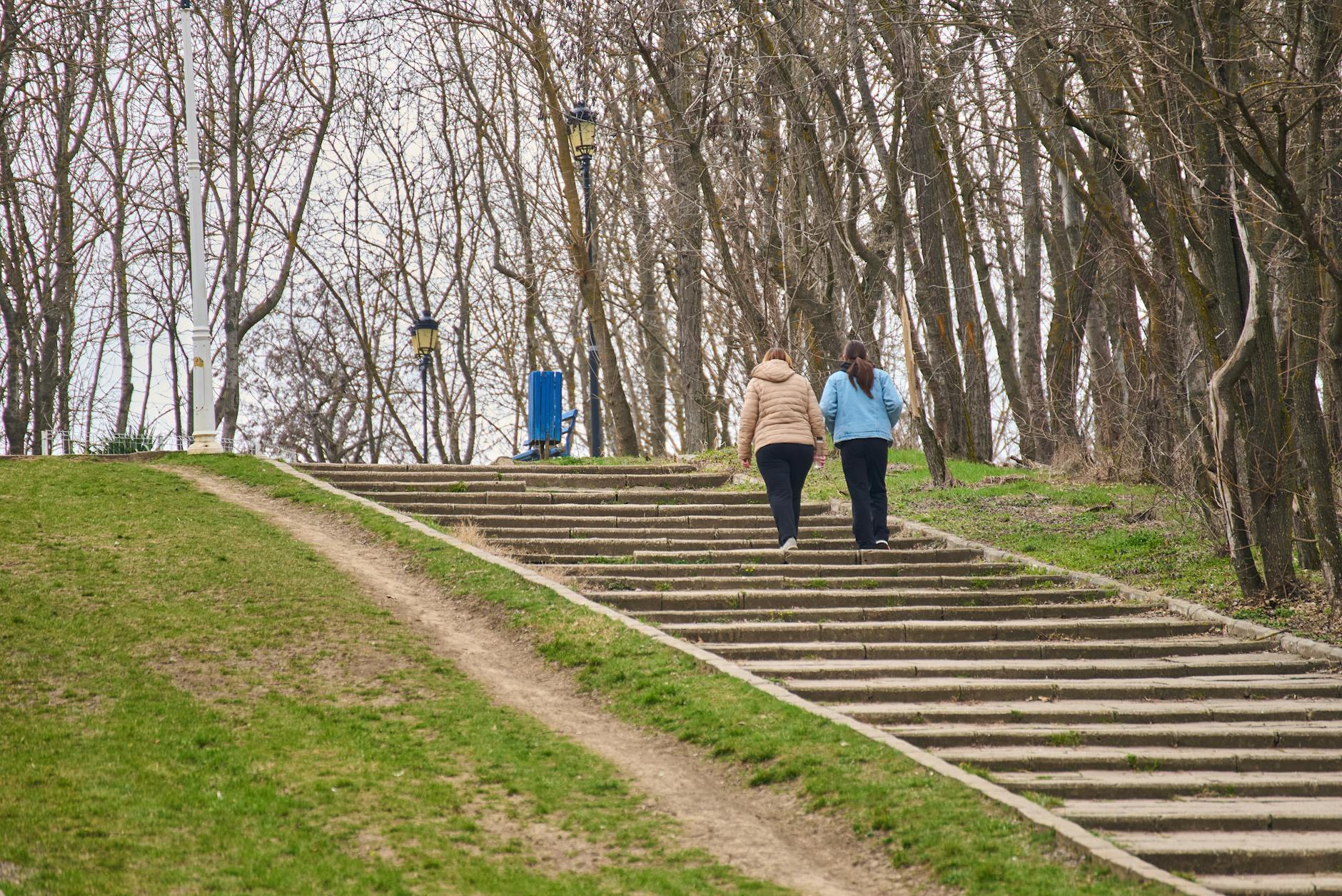
Registration for the 2026 Walk to End Alzheimer’s is free, making it accessible to anyone who wants to participate regardless of financial constraints. The Alzheimer’s Association encourages participants to raise funds for the organization as part of their walk experience, though registration itself carries no cost. This low barrier to entry means that people who want to walk in memory of or in support of someone affected by Alzheimer’s can do so without worrying about registration fees. Participants typically form teams or walk individually, set personal fundraising goals, and then collect pledges from friends, family, and colleagues.
Some workplaces sponsor teams, and many participants use social media or email to share their walk page and fundraising links with their networks. The fundraising component transforms a simple walk into a catalyst for community conversation about Alzheimer’s. Teams that successfully raise significant funds often receive recognition at their local walk events. Alternatively, those who simply want to attend in person without fundraising can also participate—the goal is awareness and community, not just money.
What Makes This Event Different from Other Fundraising Walks?
The Walk to End Alzheimer’s is distinguished by its scale and focus on a disease that remains one of the leading causes of death in the United States. Unlike some awareness walks that may prioritize the social aspect, the Alzheimer’s Association’s walk is explicitly tied to funding research into prevention, treatment, and eventual cure of Alzheimer’s disease and related dementias. Participants often have personal connections to Alzheimer’s—many walk in memory of someone who has passed away or in support of someone currently living with the disease, which creates an emotionally resonant experience.
One important limitation to understand is that while individual walks raise funds, the broader challenge of Alzheimer’s research and care requires sustained, large-scale investment beyond what fundraising events alone can provide. Government funding for Alzheimer’s research, insurance coverage for care, and workplace policies around dementia-friendly practices all play roles that a single walk cannot address. However, the Walk to End Alzheimer’s serves as a visible reminder of the need for these broader systemic changes and brings attention to Alzheimer’s in a way that can influence policy conversations and research priorities at state and federal levels.
Who Typically Participates and How Can You Find Your Local Walk?
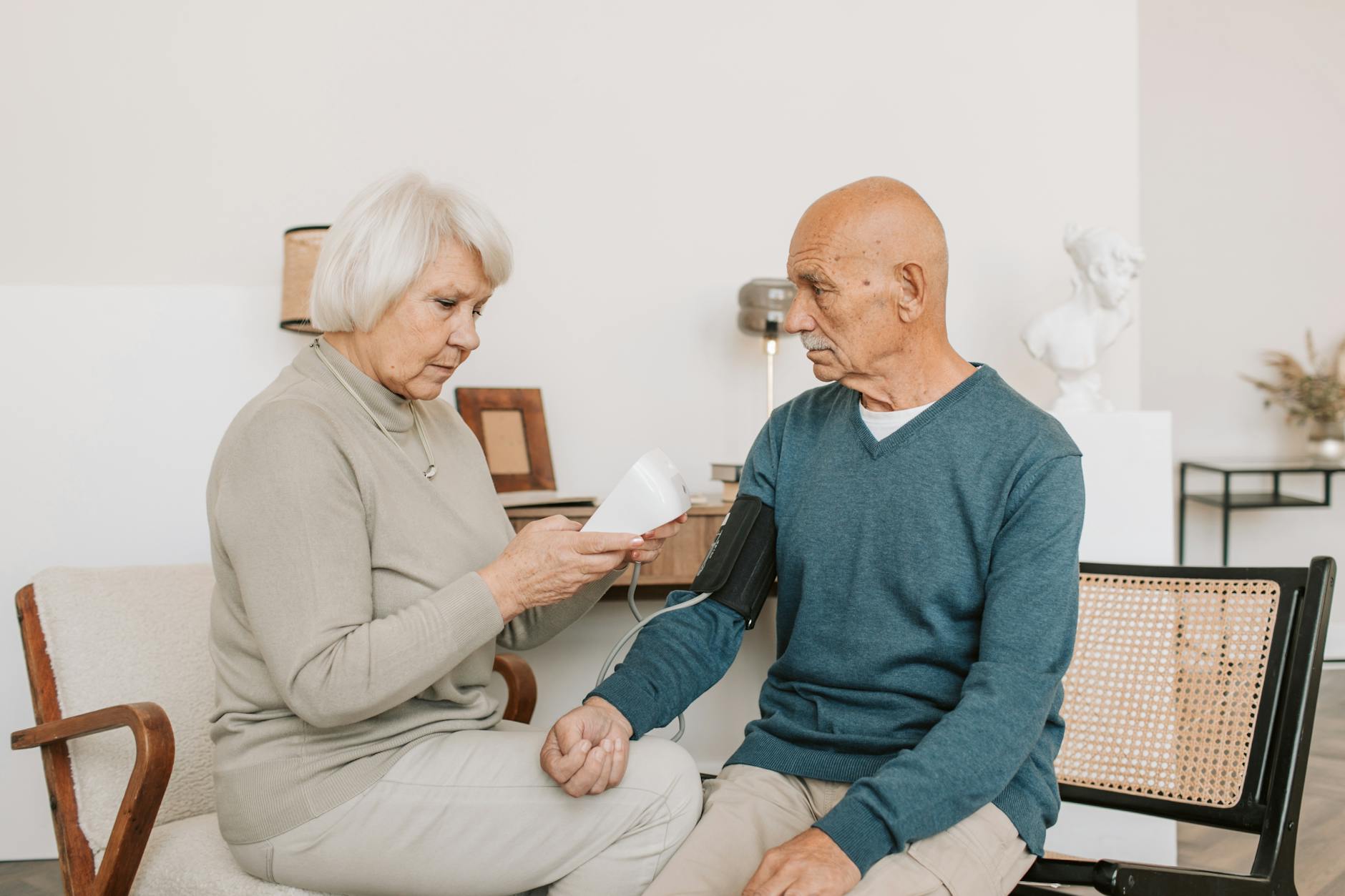
Walk participants include caregivers, people living with Alzheimer’s or mild cognitive impairment, family members of those affected, healthcare professionals, and community members who simply want to support brain health research. The demographic diversity of participants is one of the walk’s strengths—it reflects the fact that Alzheimer’s crosses all socioeconomic, racial, and geographic boundaries. Local walks often feature the personal stories of participants, turning the event into a powerful narrative experience.
To find your local walk, the Alzheimer’s Association’s website includes a complete event locator that allows you to search by zip code or state. Registering early allows you to start your fundraising efforts sooner and connect with local team captains or organizers. Many communities also promote their walks through social media, local news outlets, and healthcare providers, so if you don’t see a walk date announced yet in your area, checking back with the official site as the season approaches is recommended.
Why Participate in Walk to End Alzheimer’s This Year?
As Alzheimer’s rates continue to rise, particularly with the aging of the American population, the need for research and community support has never been greater. Participating in a Walk to End Alzheimer’s event connects you to a nationwide movement and puts your energy toward addressing one of the most pressing health challenges of our time. Whether you’re newly diagnosed, supporting a loved one, or simply concerned about brain health, the walk offers a structured way to channel that concern into action.
The 2026 walk season represents an opportunity to be part of a 40-year legacy of community mobilization while supporting the latest advances in Alzheimer’s research and care. From coast to coast, hundreds of thousands of people will gather to walk, fundraise, and raise awareness. Your participation, regardless of the amount you fundraise, contributes to this collective effort and sends a message that Alzheimer’s matters to you and your community.
Conclusion
The Walk to End Alzheimer’s events launching across the country in 2026 represent a nationwide opportunity to engage with one of the most important health movements in America. With registration now open and events scheduled from September through December in more than 600 communities, there is likely a walk nearby that you can join. The event’s nearly 40-year history and proven track record of raising awareness and funds make it a credible, impactful way to participate in the fight against Alzheimer’s disease.
If you or someone you know has been affected by Alzheimer’s, consider registering for a walk in your area today. Visit the Alzheimer’s Association website to find your local event, register for free, and begin your fundraising journey. Whether you walk a full distance or simply participate in your community’s event, you’ll be joining millions of Americans who believe that Alzheimer’s research, care, and support deserve our collective attention and resources.
You Might Also Like
- Picasso Painting Offered for 100 Euros in Alzheimer’s Charity Raffle
- Exercise-Boosted Liver Enzyme Tied to Alzheimer’s Protection
- Brain Health Collaboratory Focuses on Non-Invasive Alzheimer’s Therapy
Sources used for this Walk End Alzheimers guide
- National Institute on Aging — Alzheimer’s and related dementias
- Alzheimer’s Association
- Mayo Clinic — Dementia
This article is informational and not medical advice. See our Editorial Policy for how we research and review content. Last reviewed May 30, 2026.