
Remaining military sits at the center of this dementia and brain health question.
The Pentagon’s assessment of Iran’s remaining military capability presents a picture of a nation with significant regional power but fundamental constraints. As of 2026, Iran ranks 16th out of 145 countries in military strength according to the Global Firepower Index, indicating a military force that poses a credible regional threat despite being substantially weaker than major global powers. The U.S.
military and allied intelligence services characterize Iran’s military as having experienced significant degradation from recent strikes, yet capable of rapidly reconstituting its arsenal through sustained production and Russian support for components. This assessment examines what Pentagon officials and military analysts say about Iran’s current military capabilities, including its personnel strength, missile arsenals, air force limitations, and evolving strategy. We’ll look at specific numbers on Iran’s weaponry, analyze how its military has recovered from recent damage, and explain why despite appearing formidable on paper, structural weaknesses constrain Iran’s ability to sustain prolonged conventional conflict. Understanding these assessments is important for following geopolitical developments in the Middle East and the implications for regional stability and American defense commitments.
Table of Contents
- How Strong Is Iran’s Military According to Current Pentagon Rankings?
- What Is Iran’s Ballistic Missile Arsenal and How Dangerous Is It?
- How Has Iran’s Drone and Unmanned Systems Program Evolved?
- What Are the Critical Weaknesses in Iran’s Conventional Military?
- How Has Iran’s Nuclear Program Changed After Recent Strikes?
- How Is Iran Adapting Its Military Strategy?
- What Is Iran’s Defense Spending and Future Military Direction?
- Conclusion
- Frequently Asked Questions
How Strong Is Iran’s Military According to Current Pentagon Rankings?
iran‘s military strength ranking reflects a nation with considerable regional reach but clear limitations compared to advanced militaries. The 2026 Global Firepower Index places Iran at 16th globally, while 2025 Military Power Rankings put Iran at 11th—both positions indicating that while Iran’s military is substantial, it ranks well below the United States, China, Russia, India, and several European and regional powers.
These rankings incorporate multiple metrics including personnel numbers, equipment diversity, defense budgets, and technological sophistication. The Pentagon notes that Iran fields approximately 610,000 active-duty personnel, comprising 350,000 regular army members and 190,000 Islamic Revolutionary Guard Corps (IRGC) personnel. This substantial personnel force provides mass and allows Iran to conduct sustained operations across multiple fronts, but personnel alone do not translate to military dominance when facing technologically superior adversaries. The IRGC serves as both a military force and an asymmetric tool, operating naval forces, drone units, and conducting intelligence operations throughout the region.

What Is Iran’s Ballistic Missile Arsenal and How Dangerous Is It?
Iran’s ballistic missile program represents its most strategically concerning military capability and the area where the Pentagon assessment emphasizes greatest vigilance. Iran currently maintains an inventory of more than 2,000 medium-range ballistic missiles with range capabilities spanning from 700 kilometers to 2,000 kilometers, making it the largest and most diverse missile arsenal in the Middle East. Notably, Iran is actively producing missiles at a rapid rate, with estimates indicating production of “dozens to over 100” ballistic missiles monthly—Israeli military sources cite dozens per month while Secretary of State Marco Rubio reported figures exceeding 100 monthly as of March 2026. However, these totals must be understood in context of recent attrition and recovery.
During what became known as the “12-Day War,” Iran lost 40 to 60 percent of its medium-range ballistic missile (MRBM) stockpile to U.S. and allied strikes. Rather than remaining depleted, Iran has reconstituted its arsenal to approximately 2,000 systems through a combination of domestic production, Russian technical support, and strategic reserves. This rapid recovery demonstrates Iran’s capability to sustain military operations even under bombardment, though it also reveals vulnerabilities in storage and production facilities that concentrated strikes can temporarily disrupt. The Pentagon emphasizes that while Iran’s missile production remains impressive, it remains dependent on maintaining production capacity and accessing raw materials increasingly constrained by international sanctions.
How Has Iran’s Drone and Unmanned Systems Program Evolved?
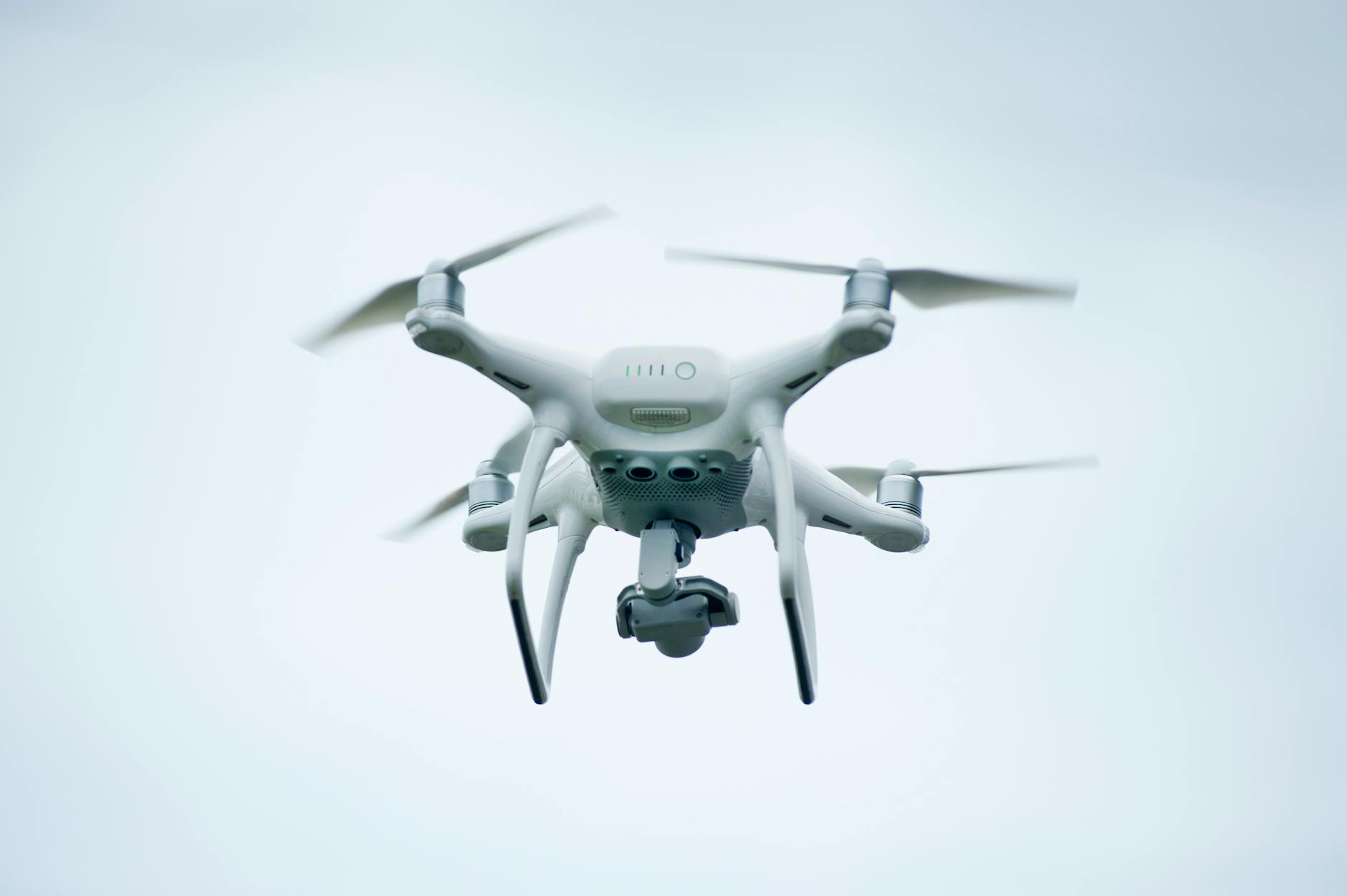
Beyond ballistic missiles, Iran’s unmanned systems represent a second pillar of its military modernization, particularly the mass-produced Shahed-136 long-range one-way attack drone that has become synonymous with Iranian asymmetric warfare. These drones have been supplied to Russia for use in Ukraine operations, demonstrating Iran’s willingness to leverage its drone production for geopolitical advantage and generating revenue to offset sanctions. The Pentagon assesses that Iran maintains large quantities of both ballistic and cruise missiles alongside unmanned aerial systems, with ongoing efforts to improve accuracy and lethality of these platforms.
The Shahed-136 program illustrates a strategic choice Iran has made: rather than matching advanced air forces in conventional capability, Iran invests in mass-produced platforms that are cheap to produce, difficult to defend against when deployed in swarms, and require less sophisticated logistics and training. Drones also offer Iran a method to strike distant targets without committing aircraft or pilots to dangerous operations, reducing casualty risk while maintaining the appearance of sustained military power. Analysts note, however, that drone swarms remain vulnerable to modern air defenses, as demonstrated by various Middle Eastern conflicts where coordinated defense systems have intercepted significant percentages of Iranian drone attacks.
What Are the Critical Weaknesses in Iran’s Conventional Military?
The Pentagon assessment emphasizes that despite numerical strength in missiles and drones, Iran’s conventional military apparatus contains significant weaknesses that would severely constrain its effectiveness in sustained conflict. The Iranian air force is characterized as the weakest branch of the country’s conventional military, operating only approximately 250 combat-capable aircraft that are largely aging platforms with limited technological sophistication. This limited air force means Iran cannot protect its airspace effectively against modern adversaries and must rely on air defense systems and asymmetric tools rather than air superiority.
Iran has recognized this vulnerability and is attempting modernization through acquisitions from Russia, including Su-35 fighters and Yak-130 trainers. However, these acquisitions face significant obstacles including international sanctions, technical integration challenges with existing Iranian systems, and delays in delivery. Even if Iran received these aircraft, the relatively small numbers would not substantially alter the asymmetry against technologically advanced adversaries. The trade-off Iran has made is accepting conventional military inferiority in favor of investing in asymmetric capabilities like missiles, drones, and irregular forces that impose costs disproportionate to their own technological sophistication.
How Has Iran’s Nuclear Program Changed After Recent Strikes?
U.S. military assessment of Iran’s nuclear program has shifted dramatically following recent strikes. The 2025 assessment described American strikes as having “significantly degraded” Iran’s nuclear program, while the 2026 National Defense Strategy characterized the impact as having “obliterated” Iran’s nuclear capabilities. These are significant claims reflecting confidence in the effectiveness of precision strikes against Iranian nuclear research and development facilities, though they do not necessarily mean Iran cannot rebuild its program given sufficient time and resources.
The nuclear dimension adds complexity to understanding Iran’s overall military threat. If Iran’s nuclear weapons development has been substantially set back, then its conventional military weaknesses become more salient. Conversely, as sanctions constrain Iran’s ability to maintain and modernize conventional forces, the strategic value of nuclear weapons development as a long-term deterrent increases. Intelligence assessments remain focused on Iran’s ability to reconstitute its nuclear program, particularly given Russia’s assistance with nuclear technologies and Iran’s stated nuclear ambitions. The Pentagon continues to monitor Iranian nuclear facilities closely for signs of acceleration in weapons development.

How Is Iran Adapting Its Military Strategy?
Beyond specific weapons systems, the Pentagon assesses that Iran has fundamentally shifted its military strategy following the June 2025 conflicts. Iran is adopting a more aggressive doctrine with emphasis on regional missiles, drones, cyberattacks, and what analysts term “energy coercion”—the threat to disrupt regional energy infrastructure and global oil markets. This represents a pivot from earlier strategies focused on deterrence and regional proxy forces toward direct application of military power through Iranian-controlled systems.
This strategic shift reflects both Iran’s confidence in its missile and drone capabilities and its recognition of conventional military limitations. By emphasizing these asymmetric tools, Iran attempts to maintain deterrent credibility without needing to match advanced militaries in conventional strength. However, the Pentagon notes that Iran remains operationally constrained by battle damage from recent strikes, expanding international sanctions limiting access to advanced components, and internal economic instability that constrains military spending. These constraints mean that while Iran’s strategy appears aggressive, implementation remains limited by resource availability and technical capacity.
What Is Iran’s Defense Spending and Future Military Direction?
Iran’s 2024 defense budget was estimated at approximately $8.04 billion by the International Institute for Strategic Studies, a figure that reflects the competing demands of military modernization, economic constraints from sanctions, and domestic economic challenges. This budget supports operations, personnel costs, weapons maintenance, and new weapons acquisition, but remains modest compared to regional powers like Saudi Arabia and the United Arab Emirates. The Pentagon recognizes that Iran’s actual military spending may exceed official budget figures when including IRGC operations and covert weapons programs, but even accounting for these, Iran faces structural constraints in sustaining military modernization.
Looking forward, the Pentagon assessment suggests Iran will continue emphasizing missile and drone development as cost-effective ways to maintain regional deterrence while conventional forces age. Russia’s provision of technical expertise and components offers temporary solutions to some deficiencies, but these dependencies also create vulnerabilities should international support evaporate. The trajectory outlined in the Pentagon assessment suggests a nation attempting to remain a regional military power through focused investment in asymmetric capabilities while accepting inferiority in conventional forces and air power.
Conclusion
The Pentagon’s assessment of Iran’s remaining military capability presents a nation with genuine regional military power centered on ballistic missiles, drones, and large personnel forces, but constrained by significant conventional military weaknesses, technological limitations, degraded nuclear facilities, and resource constraints from international sanctions. Iran ranks 16th globally in military strength with approximately 610,000 active personnel, over 2,000 medium-range ballistic missiles, and mass-produced unmanned systems, but operates only 250 combat-capable aircraft and faces limited ability to project power beyond its region. Recent U.S.
and allied strikes have significantly damaged Iranian military infrastructure, though Iran’s rapid missile reconstitution demonstrates its production resilience. For those tracking Middle Eastern security developments, understanding these assessments reveals a military picture more complex than extreme narratives suggest—neither a negligible force nor an existential threat to advanced militaries, but rather a substantial regional power that must rely on asymmetric tools and mass-produced systems to compensate for conventional limitations. The trajectory outlined in Pentagon assessments suggests Iran will continue this asymmetric emphasis, investing in missiles and drones while attempting selective modernization through Russian support, maintaining a military posture of deterrence and regional influence rather than conquest.
Frequently Asked Questions
How quickly can Iran reconstitute missile stockpiles after losses?
The Pentagon observes that Iran reconstituted to roughly 2,000 ballistic missiles within months after losing 40-60% of its inventory in the 12-Day War, suggesting production rates of dozens to over 100 missiles monthly. However, degradation of production facilities through strikes can temporarily interrupt this pace, and success requires maintaining access to raw materials and components not always available due to sanctions.
Why does the Pentagon emphasize Iran’s missile program over its air force?
Iran operates only 250 combat-capable aircraft compared to technologically advanced adversaries with modern air forces, making the air force the weakest branch. Iran’s ballistic missiles and drones provide more cost-effective regional reach and are harder to defend against in large numbers, making them strategically significant.
Can Iran sustain military operations given its defense budget constraints?
Iran’s approximately $8.04 billion annual defense budget limits modernization and new acquisitions, though the Pentagon estimates actual military spending exceeds this figure when including covert programs. Sanctions further constrain access to advanced components, forcing dependence on Russian support and older equipment maintenance.
What does “obliteration” of Iran’s nuclear program mean practically?
The Pentagon’s 2026 characterization reflects confidence that precision strikes significantly degraded Iran’s nuclear research and weapons development capabilities. However, “obliteration” does not mean Iran cannot eventually rebuild given sufficient time and resources; rather, it indicates the program was substantially set back and would require years to reconstitute.
How effective are Iran’s drones against modern air defenses?
While Iran can produce Shahed-136 drones in quantity, swarm attacks have been intercepted at high percentages when facing coordinated modern air defense systems. Drones remain valuable asymmetric tools, but advanced adversaries have developed effective countermeasures.
You Might Also Like
- How Did Egypt React to the U.S.-Israel Military Campaign Against Iran
- Why Is the Iran War Sending a Message to Every Country Pursuing Nuclear Weapons
- Why Is the Iran War Remaking Alliances Across the Entire Middle East
For more, see Alzheimer’s Association — clinical trials.




