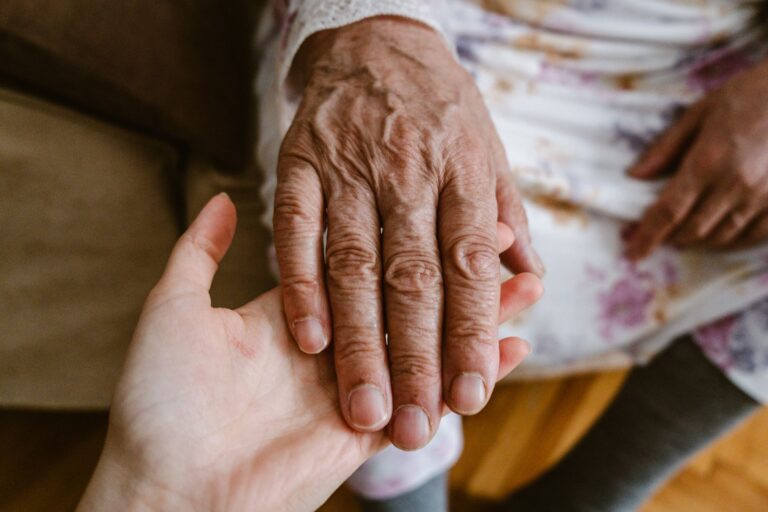
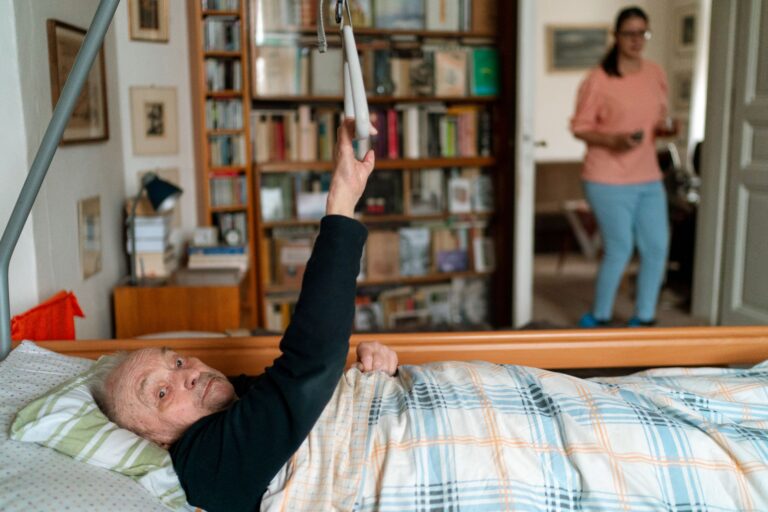
Family crediting sits at the center of this dementia and brain health question.
Chuck Norris has attributed much of his spiritual resilience and sense of purpose to his mother’s steadfast faith and prayers throughout his life—a dynamic that reflects a deeper truth about how family relationships, particularly maternal influence, shape our psychological and spiritual well-being as we age. Family members caring for loved ones with dementia or cognitive decline increasingly recognize that spiritual connection and multigenerational support serve as powerful anchors for emotional stability and brain health. This article explores how family-rooted faith practices relate to cognitive wellness, the neurobiology behind why prayer and spiritual community matter for brain function, and how modern families can cultivate these protective factors in their own lives.
Table of Contents
- How Maternal Influence and Spiritual Guidance Shape Lifelong Resilience
- The Neurobiology of Prayer and Spiritual Practice on Brain Function
- Family as the First Line of Defense in Brain Health and Dementia Care
- Building Spiritual Community and Connection as a Protective Brain Health Strategy
- When Spiritual Beliefs Help Versus When They Can Complicate Caregiving
- Prayer and Purpose as Buffers Against Depression and Cognitive Decline
- Transmitting Values and Creating Meaning Across Generations and Time
- Conclusion
How Maternal Influence and Spiritual Guidance Shape Lifelong Resilience
The relationship between a parent’s faith and a child’s long-term psychological resilience is well-documented in research on attachment, coping mechanisms, and sense of purpose. A mother’s consistent spiritual foundation—whether expressed through prayer, religious practice, or ethical guidance—creates what researchers call a “secure base” that children carry into adulthood, influencing how they handle adversity, stress, and life transitions.
This maternal imprinting becomes especially protective as people age and face health challenges, including cognitive decline. When someone grows up witnessing a parent’s faith-based coping, they develop internalized strategies for managing fear and uncertainty that activate even decades later. For example, studies on centenarians and those aging successfully show that individuals with strong family spiritual traditions report lower rates of depression, greater sense of meaning, and better engagement in cognitive activities—all protective factors for brain health.

The Neurobiology of Prayer and Spiritual Practice on Brain Function
Neuroimaging studies reveal that prayer and meditation activate the prefrontal cortex, which governs decision-making, emotional regulation, and impulse control—regions critical for maintaining cognitive function as we age. Regular spiritual practice increases activity in brain areas associated with attention, focus, and memory consolidation.
When family members pray together or create rituals around faith, they’re not just engaging emotionally; they’re exercising neural pathways that support executive function and emotional resilience. However, if spiritual practice becomes anxiety-driven (obsessive prayer as compulsion rather than genuine connection), or if it isolates someone from social engagement, the benefits diminish. The protective effect comes from meaningful engagement plus community—prayer in isolation lacks the social connectivity that provides additional cognitive benefits.
Family as the First Line of Defense in Brain Health and Dementia Care
The intergenerational transmission of faith practices creates a family identity that becomes especially valuable when one member develops cognitive decline. Adult children who witnessed their mother’s prayer life and spiritual commitment often report that these same practices help them navigate the emotional weight of becoming a caregiver.
In dementia settings, families that share spiritual or prayer traditions find that these rituals continue to resonate even as memory fades—a person with advanced dementia may not remember their name but can still find comfort in a familiar prayer their mother taught them. Specific example: many families report that even late-stage Alzheimer’s patients will recite prayers or hymns from childhood, suggesting that spiritual memory encoding is distinct from episodic memory and often preserved longer. This continuity allows caregiving families to maintain connection points and moments of shared meaning despite cognitive loss.

Building Spiritual Community and Connection as a Protective Brain Health Strategy
Isolating faith practice to individual prayer misses a crucial element: social belonging and community engagement are independent protective factors for cognitive health, and spiritual communities provide both simultaneously. Families that participate in church, synagogue, mosque, or other faith communities report higher engagement with social networks, more opportunities for mental stimulation, and greater accountability for maintaining healthy behaviors.
For aging adults and those with early cognitive concerns, regular participation in faith-based groups provides structured social interaction, meaningful roles (serving others, leading study groups), and the sense that one’s life still matters. The tradeoff is accessibility—not all communities are welcoming to people with dementia, and some require mobility or energy that advanced age or illness makes difficult. Progressive communities often adapt services to be dementia-friendly, creating smaller, quieter spaces and shorter sessions that allow continued participation.
When Spiritual Beliefs Help Versus When They Can Complicate Caregiving
While faith is generally protective, misalignment between spiritual beliefs and medical treatment can create dangerous conflicts. Some families’ spiritual traditions include skepticism toward medical intervention, which can delay diagnosis or prevent appropriate treatment for cognitive decline, depression, or other treatable conditions.
Warning: a caregiver whose faith emphasizes prayer as the primary healing modality may resist necessary medications, neuropsychological evaluation, or cognitive rehabilitation—delaying care that could slow decline. Additionally, grief and guilt in families facing dementia sometimes manifest as spiritual struggle: “Why isn’t prayer healing my mother?” This spiritual crisis can compound the emotional toll of caregiving. Effective family support involves integrating faith with evidence-based care, viewing medical treatment as compatible with, not opposed to, spiritual practice.

Prayer and Purpose as Buffers Against Depression and Cognitive Decline
Depression and cognitive decline are deeply linked; depression accelerates cognitive loss and increases dementia risk, while cognitive decline triggers depression. Families with strong prayer traditions report lower depression rates even when facing serious health challenges. Prayer provides structure, ritual, and predictability—all calming to the brain—and connects the person to something larger than their individual struggle.
A mother’s legacy of faith, even when she’s no longer present, continues to influence her adult children’s mental health. Example: adult children who learn their mother spent years praying for them often report that recognizing this—especially during stressful periods—provides comfort and resilience they wouldn’t otherwise access. This is distinct from whether the prayers had any supernatural effect; the psychological benefit is real regardless.
Transmitting Values and Creating Meaning Across Generations and Time
One of the most underrecognized gifts a parent can give is a framework for meaning-making that outlasts memory itself. As dementia progresses and autobiographical memory fades, a strong sense of purpose and spiritual meaning becomes one of the last refuges of self.
Families who deliberately create space to talk about faith, values, and what matters—not just in crises but as ongoing conversation—find that these discussions continue to resonate even when cognitive capacity diminishes. Looking forward, the next generation of dementia care will likely integrate more explicitly spiritual approaches, recognizing that purely biomedical models miss crucial sources of human resilience and well-being.
Conclusion
Chuck Norris’s acknowledgment of his mother’s prayers reflects a truth that neuroscience, psychology, and gerontology increasingly confirm: the spiritual and relational inheritance we receive from parents becomes a powerful protective factor as we age and face cognitive challenges. Faith practiced within family context—not as isolated belief but as lived relationship, shared ritual, and community belonging—supports brain health through multiple pathways: emotional regulation, social connection, sense of purpose, and resilience in the face of adversity.
If you’re in a family navigating dementia, aging, or cognitive concerns, strengthening the spiritual and relational dimensions of your family life—whether through prayer, shared values, or meaningful ritual—is not secondary to medical care. It’s a direct investment in brain health and emotional well-being for everyone involved in the caregiving journey.
You Might Also Like
- How Did a Quadruple Amputee and Professional Cornhole Player Get Charged with Murder?
- Why Did a Colombian Military Plane Crash Kill at Least 66 People?
- How Did Boston University Pull Down Pride Flags and What Free Speech Debate Did It Start?
For more, see National Institute on Aging.