Best cushion sits at the center of this dementia and brain health question.
The best cushion for Alzheimer’s patients during haircuts combines two elements: specialized positioning support and pressure-relieving comfort. Cobi Positioning Cushions, designed specifically for dementia care in cooperation with neurology specialists, are among the most effective options because they provide stability and a “cocooning” effect that naturally calms restlessness and agitation. Paired with proper neck support from a rolled towel or pillow, these cushions help keep patients still and comfortable throughout the procedure.
Beyond the cushion itself, the environment matters equally—the goal is creating a peaceful, predictable experience rather than achieving a perfect haircut, which reduces anxiety for both patient and caregiver. This article explores how to select and position cushions for safer, more comfortable home haircuts with Alzheimer’s patients. We’ll cover the specific types of cushions that work best, how to arrange your setup to prevent discomfort, why sensory factors matter, and practical steps to minimize distress during this grooming task.
Table of Contents
- Which Cushions Provide the Best Support for Alzheimer’s Patients?
- Proper Postural Support During Haircuts—Beyond the Cushion
- The Sensory Comfort Factor—Why Texture and Tactile Input Matter
- Practical Setup and Arrangement for Safer, Calmer Haircuts
- Common Challenges and When Standard Solutions Don’t Work
- When Professional Mobile Haircut Services Might Be the Better Option
- Building a Dementia-Friendly Grooming Routine Over Time
- Conclusion
Which Cushions Provide the Best Support for Alzheimer’s Patients?
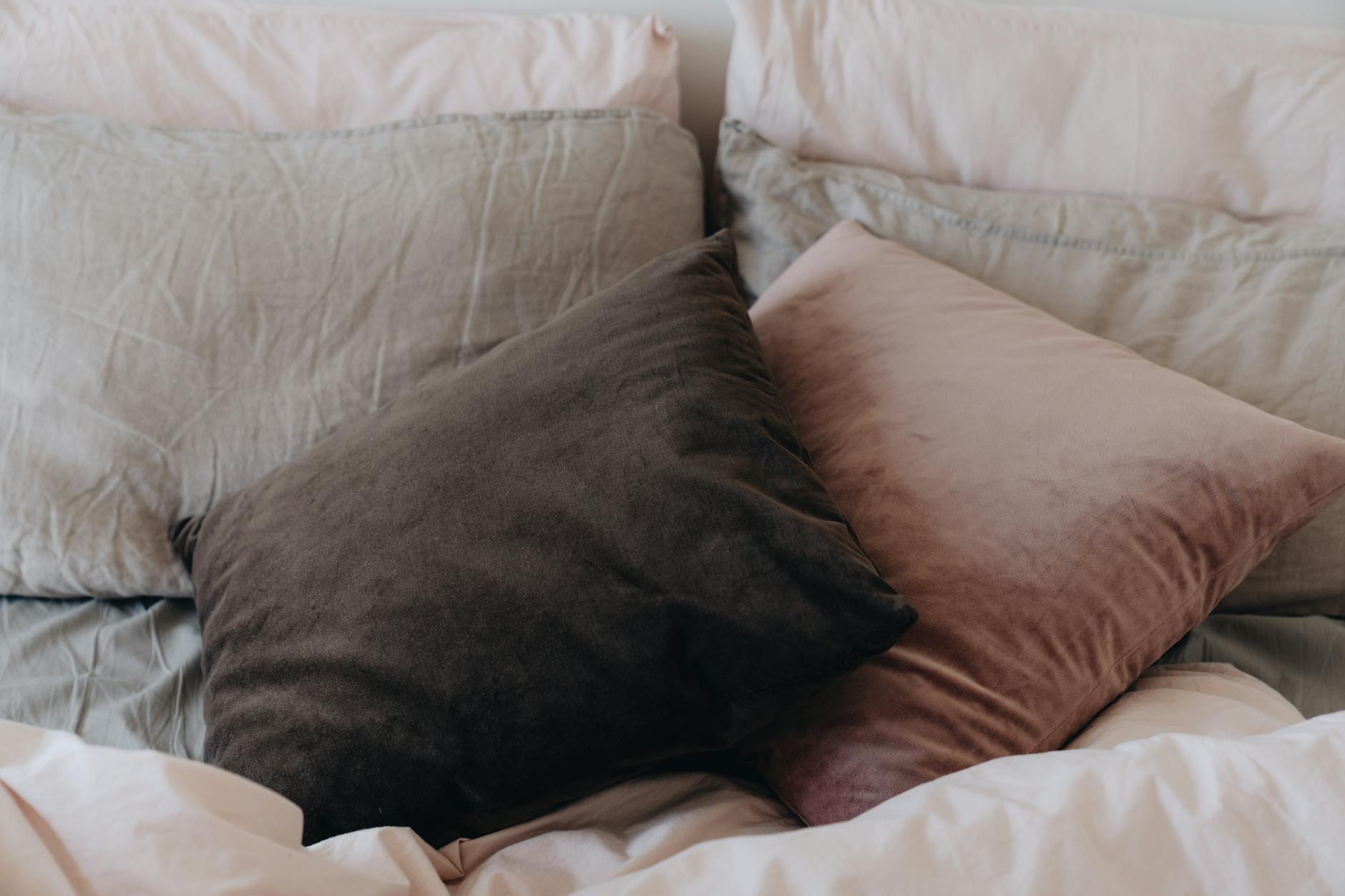
When selecting a cushion for haircut positioning, you have two primary options that work well for dementia care: specialized positioning cushions and memory foam seat cushions. Cobi Positioning Cushions are designed with input from neurology and dementia specialists and offer stability, support, and tactile stimulus—the textured surface actually provides sensory comfort that can help calm patients. The “cocooning” effect of being nestled with these cushions around the patient’s body has a demonstrable calming impact, which is critical when someone with Alzheimer’s is already anxious about a new activity. Memory foam cushions complement positioning cushions by addressing the physical strain of sitting still for 20-40 minutes during a haircut.
These cushions distribute weight evenly, reduce pressure points, prevent spine misalignment, and lower the risk of pressure sores—particularly important for patients with limited mobility or those who spend significant time sitting. Unlike hard chairs that cause back pain and fidgeting, memory foam encourages the patient to remain positioned correctly without fighting discomfort. The distinction matters: positioning cushions focus on behavioral and sensory calming, while memory foam focuses on physical comfort. For most at-home haircuts, you need both—the positioning cushion for security and the memory foam for pain prevention.
Proper Postural Support During Haircuts—Beyond the Cushion
While the cushion itself is important, the chair and surrounding support system determine whether positioning actually works. A stable chair with a firm back support and armrests is non-negotiable; a wobbly kitchen chair will undo all the cushion benefits. Beyond the chair, you’ll need proper neck and head support: a rolled towel placed at the base of the neck or a small pillow supports the head and prevents strain during the 20-30 minutes the patient sits with their head tilted or turned for hair washing and cutting.
However, if your patient has severe spasticity or muscle rigidity, even the best cushion won’t solve positioning problems alone—you may need to work with a physical therapist or occupational therapist to find a chair height and angle that accommodates their specific needs. This is especially true for patients who’ve experienced stroke, Parkinson’s-related symptoms, or advanced dementia where muscle tone becomes unpredictable. A caregiver should never force a patient into an uncomfortable position just to make the haircut easier.
The Sensory Comfort Factor—Why Texture and Tactile Input Matter
Dementia patients, particularly those in mid-to-late stages, respond strongly to sensory input. Textured positioning cushions provide more than just physical support—they offer tactile stimulation that activates the somatosensory system and can interrupt agitation and restlessness. Many caregivers report that simply holding or leaning against a textured cushion calms patients who would otherwise be anxious about a stranger approaching their head with scissors and water.
This sensory benefit is separate from pain relief or positioning and shouldn’t be underestimated. A patient who feels grounded and held by cushions around them is more likely to sit still, accept the haircut process, and experience less distress afterward. Some facilities and experienced caregivers intentionally select cushions with varied textures—some smooth, some with ribbed or quilted surfaces—to provide varied sensory input during the appointment.
Practical Setup and Arrangement for Safer, Calmer Haircuts
Begin by positioning your chair in a space with good lighting but away from mirrors (which can startle or confuse patients). Place the positioning cushion or cushions around and behind the patient’s body—behind the back, on either side if possible—before they sit down. This creates a sense of containment without restriction. Once seated, add the memory foam cushion to the chair seat itself, then arrange a rolled towel under the neck and smaller pillow for head support if needed.
Your lightweight cape or towel matters more than you might think. Heavy, thick capes create a sensation of being trapped, which triggers fight responses in dementia patients. Use a lightweight microfiber or cotton cape instead, and if the patient shows signs of panic (pulling away, vocalizing distress), remove it immediately. Some caregivers skip the cape entirely and instead place a large towel across the patient’s lap and drape another lightly over their shoulders—this contains hair without creating the psychological pressure of being “covered up.”.
Common Challenges and When Standard Solutions Don’t Work
Even with ideal cushions and setup, some Alzheimer’s patients will resist or become agitated during haircuts. Resistance often signals one of three problems: the chair position causes pain, strong sensory input (shampoo fragrance, water temperature, or scissors noise) is overwhelming, or the patient simply doesn’t understand what’s happening. Before assuming the cushion setup is wrong, address these other factors.
Warm water (not hot), fragrance-free shampoo, and gentle communication—”I’m going to wet your hair now”—often resolve 70% of behavioral resistance. If your patient has particular sensitivity to restriction or confinement, they may not tolerate even well-padded cushions around their body. Watch for pulling away, increased muscle tension, or verbal resistance; some dementia patients are calmer with just a chair back cushion and no side support. This is not a failure of the positioning system—it’s important information that you need to adapt the approach to this individual’s sensory preferences, even if it means less ideal positioning.
When Professional Mobile Haircut Services Might Be the Better Option
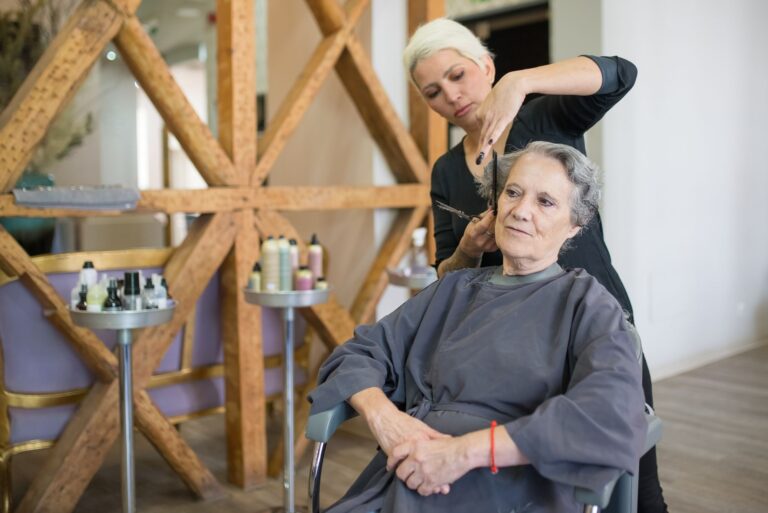
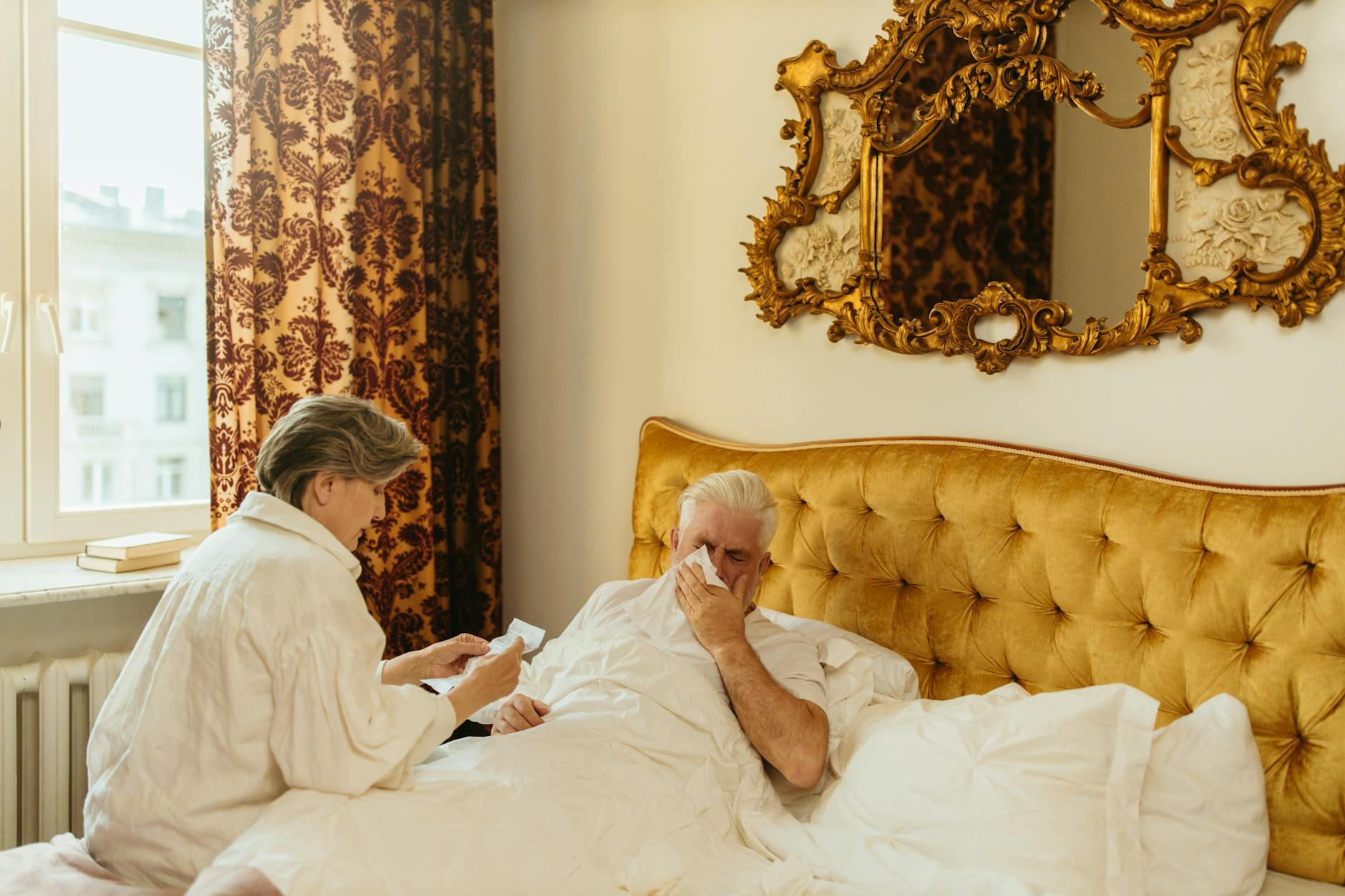
Not every caregiver has the confidence, strength, or time to manage an at-home haircut safely. Mobile hair specialists who work with seniors and dementia patients have significant advantages: they bring professional-grade styling chairs designed for stability, they’ve trained on de-escalation techniques, and they carry lightweight capes and tools specifically for anxious clients.
For patients with severe agitation, moderate-to-advanced dementia, or physical limitations that make positioning difficult, investing in a professional visit (typically $50-100 at home) can be worth the cost in reduced stress for both patient and caregiver. Some dementia care facilities and adult day programs also offer haircut services as part of their care plan, which means the patient is already in a familiar environment with staff who know their preferences and triggers. If at-home haircuts consistently cause significant distress despite your best setup efforts, explore these alternatives.
Building a Dementia-Friendly Grooming Routine Over Time
The best approach to haircut success is consistency and gradual desensitization. If possible, establish a regular grooming routine—haircuts on the same day of the week, at the same time—so the patient’s brain learns to expect it. Use the weeks before a haircut to casually let them hold or sit near the positioning cushions, familiarizing them with the texture and feel.
Play soft background music or familiar songs during the haircut to provide auditory comfort that competes with scissors noise. Over time, this routine becomes a predictable part of your care rhythm, and many patients settle into acceptance of haircuts as a normal, non-threatening activity. The combination of familiar cushions, a stable routine, and gentle sensory management transforms what initially feels like a stressful caregiving challenge into a manageable self-care task.
Conclusion
Cobi Positioning Cushions paired with memory foam seat support represent the best current options for keeping Alzheimer’s patients comfortable and calm during haircuts. The positioning cushion provides behavioral calming through the “cocooning” effect and tactile stimulation, while memory foam prevents the physical strain and pain that would otherwise cause fidgeting and anxiety. However, cushions alone aren’t the whole picture—a stable chair, proper neck support, lightweight capes, fragrance-free products, and a calm environment are equally important to success.
If at-home haircuts remain stressful despite your best efforts, professional mobile hair services or facility-based grooming programs are valid alternatives that reduce caregiver burden and patient distress. The goal is a peaceful grooming experience that preserves dignity, not a perfect haircut. Work with your patient’s individual sensory preferences, establish a consistent routine, and don’t hesitate to adjust your approach when something isn’t working.
You Might Also Like
- What’s the Best Seating Support for Alzheimer’s Patients During Care Tasks?
- What’s the Best Cushion for Alzheimer’s Patients Who Require Full Assistance?
- What’s the Best Cushion for Alzheimer’s Patients Recovering From Surgery?
For more, see Alzheimer’s Association — clinical trials.