The best chair cushion for dementia patients during grooming depends on the specific positioning challenges your loved one faces, but wedge cushions that tilt the pelvis backward using gravity are the most widely recommended first intervention. These cushions are higher at the front and lower at the back, addressing the common problem of dementia patients sliding forward while sitting—a safety and comfort issue that can make grooming tasks like bathing, hair washing, and personal hygiene difficult or unsafe. Beyond wedge cushions, alternatives like pommel cushions (with a raised center ridge between the thighs) address lateral instability, while cool-gel and alternating air systems prevent pressure ulcers during extended periods of sitting. This article explores the specific cushion types that work best for grooming situations, the material properties that matter most, proper repositioning techniques, and when to involve occupational therapists to ensure your loved one remains comfortable and safe throughout daily care routines.
Table of Contents
- Which Cushion Types Work Best for Grooming and Positioning?
- Materials Matter: How Breathability and Moisture Control Affect Grooming Comfort
- Addressing the Sliding Problem: Why Wedge Cushions Are the First Intervention
- Positioning and Repositioning During Grooming: Timing and Technique
- Pressure Ulcers and Moisture Management: Preventing Complications
- The Emotional and Relational Aspects of Comfortable Grooming
- Professional Assessment and Planning for Long-Term Success
- Conclusion
- Frequently Asked Questions
Which Cushion Types Work Best for Grooming and Positioning?
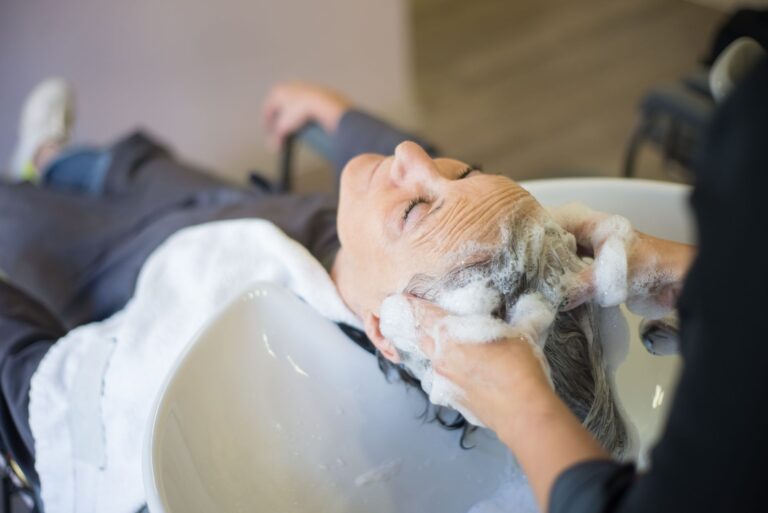
When a dementia patient sits for grooming—whether for shampooing, shaving, or bathing—the right cushion can make the difference between a successful care session and one fraught with discomfort or safety concerns. Wedge cushions are the gold standard because they prevent the forward sliding that makes it difficult to keep someone stable during grooming tasks. This forward sliding isn’t just a comfort issue; it compromises your ability to reach all areas safely and can cause the person to slump uncomfortably. A patient who slides forward during a shampooing session might arch their neck uncomfortably, putting strain on the neck and shoulders—muscles that are often already tense in people with dementia. Pommel cushions address a different problem: lateral instability, where someone rocks side to side or leans heavily to one side.
If your loved one tends to lean to one side during grooming, a pommel cushion can provide the support needed to keep them centered and stable while you work. Memory foam cushions are also valuable during grooming because they conform to the body, providing support for individuals sitting for extended periods and helping alleviate discomfort and promote proper posture. However, memory foam alone doesn’t address the sliding problem—you may need to combine memory foam with a wedge design. Cool-gel or alternating air cushion systems offer additional benefits: they help prevent pressure ulcers and sores that develop during extended seated periods. While not every grooming session is “extended,” individuals who require more intensive grooming support or who have mobility issues that mean they sit for longer stretches during care will benefit from these pressure-relieving systems. The choice isn’t necessarily either-or; some premium cushions combine wedge design with gel cooling or air circulation technology.

Materials Matter: How Breathability and Moisture Control Affect Grooming Comfort
Beyond the cushion shape, the material covering makes a significant difference during grooming, especially since grooming often involves water, perspiration, or other moisture. Breathable, vapor-permeable fabrics such as Dartex are specifically recommended because they absorb moisture and reduce the risk of pressure wounds. When you’re shampooing or bathing a dementia patient while they’re seated, moisture is inevitable. A non-breathable cushion becomes damp and uncomfortable, creating an environment where skin breakdown can occur—a serious concern for older adults, especially those with dementia who may not be able to report discomfort. Vapor-permeable fabrics wick moisture away from the skin, keeping it dry and reducing the risk of fungal infections or maceration (the breakdown of skin due to prolonged moisture exposure).
The practical implication for grooming is that you should invest in cushions with moisture-wicking covers, not standard vinyl or plastic. If your current cushion doesn’t have this feature, you can often purchase a separate breathable cushion cover that fits over the existing cushion. This is especially important if the grooming area is humid or if your loved one perspires easily. Keep in mind that different fabrics have different durability and cleanability profiles. Some vapor-permeable fabrics are more durable than others; if the cushion will be used in a wet grooming environment frequently, ask the manufacturer about how the cover handles machine washing or whether it can be wiped down without degradation.
Addressing the Sliding Problem: Why Wedge Cushions Are the First Intervention
Forward sliding during grooming is so common in dementia care that it’s considered the primary positioning problem to solve first. A dementia patient may slide forward for several reasons: loss of core strength, difficulty maintaining balance, or the neurological changes that affect posture and spatial awareness in dementia. When someone slides forward while you’re shampooing their hair or working near their face, you lose stability and control, making the task more difficult and the experience more stressful for both caregiver and care recipient. The wedge cushion works because it uses gravity to your advantage—the tilt automatically encourages the pelvis to rotate backward, which keeps the person in a more upright, stable position without requiring them to maintain that position through effort. Wedge cushions are simple to use and don’t require electricity or setup—unlike alternating air systems, they work immediately and consistently.
However, a wedge cushion alone won’t solve every positioning problem. If someone also experiences lateral instability (rocking side to side), you may need a pommel cushion. If someone has severe pressure ulcer risk, you’ll want the additional protection of a gel or air-based system combined with the wedge. The limitation of wedge cushions is that they address one specific problem; a patient with multiple positioning challenges may need a more sophisticated cushion or a combination of supports. Additionally, some dementia patients may experience anxiety about the unusual angle of a wedge cushion initially—it may take a few sessions for them to adjust to the sensation.

Positioning and Repositioning During Grooming: Timing and Technique
Understanding repositioning frequency is crucial during grooming sessions. Individuals in wheelchairs should have small weight shifts every 15 minutes to maintain circulation and reduce pressure buildup. If your grooming session is expected to last longer than 15 minutes, plan brief weight shifts—having the person lean slightly forward, to the side, or adjusting their position slightly in the chair. These micro-movements don’t interrupt grooming but significantly reduce pressure on sensitive areas. For individuals confined to bed who must sit up for grooming, the standard recommendation is repositioning every 2 hours, but grooming sessions rarely last that long.
Still, the principle applies: extended positioning in any direction creates pressure and circulation problems. If you’re bathing someone at the sink or in a grooming chair, you might not need to adjust position if the session is short, but for more involved grooming like washing and conditioning long hair or doing wound care on the scalp, plan repositioning breaks. Some modern grooming chairs include tilt-in-space functionality, which enables positioning in a “zero gravity” position—a reclined posture that distributes weight more evenly and is part of evidence-based pressure care strategy. If your loved one has significant pressure ulcer risk or sits for many hours daily, a tilt-in-space chair can be transformative, though they’re more expensive than standard grooming chairs. For most home caregivers, a combination of a quality cushion and strategic weight shifts every 15-20 minutes during grooming is sufficient.
Pressure Ulcers and Moisture Management: Preventing Complications
Pressure ulcers (also called bedsores or pressure sores) develop when sustained pressure on skin cuts off blood flow, and dementia patients are at higher risk because they may not feel discomfort or communicate pain. Cool-gel and alternating air cushion systems reduce this risk by distributing pressure more evenly across the sitting surface. During grooming, when moisture is present, the risk actually increases because wet skin is more fragile and more susceptible to breakdown. A cushion with both pressure-relieving design (gel, air, or foam) and moisture-wicking materials provides the best protection.
However, there’s a tradeoff to consider: highly technical pressure-relieving cushions may require electrical power (in the case of alternating air systems) and may be more expensive or harder to transport if you’re doing grooming in multiple locations. For someone at high pressure ulcer risk—those confined to bed, wheelchair users with limited mobility, or those with existing skin breakdown—the investment in a powered alternating air system is justified. For others, a high-quality memory foam wedge cushion with a vapor-permeable cover may be sufficient. Additionally, if someone is using a powered air cushion, monitor whether it’s functioning properly; loss of air pressure is one failure mode that could leave the person without protection.
The Emotional and Relational Aspects of Comfortable Grooming
Beyond the physical mechanics of cushions and positioning, the 2025 grooming care recommendations emphasize that meeting grooming needs requires “a compassionate, informed, and individualized approach that honors their dignity, autonomy, and emotional well-being.” A dementia patient who is uncomfortable in their chair or anxious about their positioning will not cooperate with grooming, no matter how well-designed the cushion is. Effective grooming strategies include gentle verbal cues, non-verbal communication, and familiarizing seniors with each step of the grooming process. Creating a calming environment to mitigate anxiety is essential—this includes ensuring physical comfort through proper cushioning but also through your tone, pace, and the overall sensory environment. Encouraging participation through choices in grooming products, clothing, or styles can empower seniors and reduce anxiety-driven resistance.
Someone who feels secure and comfortable in their seating is more likely to remain calm during grooming. Practically, this means taking time to get the seating right before you start the grooming process. If your loved one seems anxious or resists sitting in the grooming chair, investigate whether the cushion or positioning is causing discomfort. Sometimes small adjustments—a firmer cushion, a cushion at a different angle, or additional support for the feet—can transform an anxious experience into a cooperative one.
Professional Assessment and Planning for Long-Term Success
Working with a trained Occupational Therapist or healthcare professional is recommended for a thorough assessment and understanding of health indicators that affect seating comfort. An OT can evaluate your loved one’s specific positioning challenges, recommend the most appropriate cushion type, and suggest modifications to the grooming environment that you might not have considered. They can also identify whether positioning difficulties signal underlying changes in mobility, strength, or neurological function that might warrant adjustments to the care plan. If your loved one has had recent falls, increased difficulty with balance, or new resistance to sitting, an OT evaluation can help determine whether equipment changes or care technique adjustments are needed.
Planning ahead for grooming comfort creates a foundation for long-term success in dementia care. As dementia progresses, seating and positioning needs often change; what works in the early stages may not work in middle or later stages. Documenting what cushion types, positions, and techniques have worked well helps ensure continuity of care, whether you’re the sole caregiver or coordinating with other family members or care staff. An initial investment in proper assessment and equipment often pays dividends in reduced caregiver strain, fewer behavioral challenges during grooming, and better skin health and comfort for your loved one.
Conclusion
The best chair cushion for dementia patients during grooming combines several features: a wedge design to prevent forward sliding, breathable vapor-permeable materials to manage moisture, and appropriate pressure-relieving properties for your loved one’s specific risk factors. Start with a quality wedge cushion with a moisture-wicking cover, implement small weight shifts every 15 minutes during longer grooming sessions, and assess whether your loved one’s specific positioning challenges might benefit from additional features like pommel support or gel-based pressure relief. Creating a comfortable, secure seating environment doesn’t just make grooming easier—it reduces anxiety, supports dignity, and promotes the cooperative participation that makes dementia care more sustainable for everyone involved.
If you’re uncertain about which cushion is right for your situation, consider starting with an occupational therapist evaluation. Many insurance plans cover this assessment, and the professional guidance is invaluable for ensuring you’re not missing important positioning needs. Proper cushioning and positioning are foundational care practices that, when done well, create a ripple effect of improved comfort and cooperation throughout daily routines.
Frequently Asked Questions
How often should I replace a chair cushion for a dementia patient?
Most high-quality cushions last 3-5 years with regular use, but check the manufacturer’s recommendations. If the cushion is no longer providing the wedge angle it should, if the cover is degraded, or if it no longer prevents sliding, it’s time to replace it. Cushions used in wet environments (like grooming areas) may need replacement sooner.
Can I use a regular pillow instead of a specialized dementia cushion?
Regular pillows are not recommended because they don’t provide the consistent support or positioning control that dementia patients need, and they compress over time, losing their shape and effectiveness. Specialized cushions are designed with your loved one’s specific safety and comfort needs in mind.
What’s the difference between a memory foam cushion and a gel cushion?
Memory foam conforms to body shape and distributes pressure over a wider area, providing good general comfort. Gel cushions actively absorb and dissipate heat and are superior for preventing pressure ulcers during extended sitting. Many cushions now combine both technologies for maximum comfort and pressure relief.
Is a powered alternating air cushion necessary for home grooming?
Powered alternating air systems are most important for individuals at high pressure ulcer risk or those who sit for many hours daily. For shorter grooming sessions in home settings, a high-quality static cushion with wedge design and pressure relief is usually sufficient, especially combined with regular repositioning.
How do I know if the cushion is actually preventing my loved one from sliding?
Watch during grooming—if the person is sliding downward in the chair despite the cushion, or if you’re having to reposition them frequently, the wedge angle may be too shallow or the cushion may be the wrong type. They should sit at a stable angle with minimal downward movement during a 20-30 minute grooming session.
Should I clean the cushion cover regularly during grooming?
Yes, especially if your loved one perspires or if grooming involves moisture. Most vapor-permeable cushion covers can be spot-cleaned with mild soap and water or wiped down with a damp cloth. Allow them to air-dry completely before use to prevent moisture accumulation.
You Might Also Like
- What’s the Best Chair Cushion for Dementia Patients With Limited Mobility?
- What’s the Best Chair Cushion for Dementia Patients After Joint Replacement?
- What’s the Best Cushion for Dementia Patients in Moderate Stages?
For more, see Alzheimer’s Association — medical tests.