For Alzheimer’s patients who can no longer communicate discomfort, an air compartment seat cushion offers the best pressure-distributing properties for preventing pressure ulcers and sores. Unlike foam or gel alternatives, air compartment cushions use pumps to shift weight evenly across the seating surface, reducing the prolonged pressure that leads to painful wounds and infections. The challenge is that your loved one may not realize when their body has slumped to one side or that a particular area is experiencing dangerous pressure buildup—making a cushion that actively distributes weight, rather than passively absorbing it, essential for their safety.
This article covers how to identify the right cushion type, understand the technology behind pressure relief, navigate professional assessment, and implement a comprehensive seating solution that addresses your patient’s specific needs. Pressure ulcers are a serious complication for Alzheimer’s patients who spend extended periods seated. They develop when sustained pressure cuts off blood circulation to the skin and underlying tissues, and once they form, they’re painful, difficult to heal, and prone to infection. Many caregivers underestimate this risk because the patient cannot say “this hurts” or “I’m uncomfortable.” That silence is precisely why the right cushion matters more for dementia patients than for anyone else.
Table of Contents
- Why Pressure Ulcer Risk Is Critical for Alzheimer’s Patients Who Cannot Communicate Discomfort
- Understanding Cushion Technologies—From Foam to Active Air Systems
- Beyond the Cushion—Safety Features and Lateral Support for Non-Verbal Patients
- How to Obtain Professional Assessment and Navigate the Referral Process
- The Holistic Seating Approach—Why the Cushion Alone Is Not Enough
- Budget Options and Product Selection for Different Care Settings
- Monitoring, Adjustment, and When to Upgrade Your Cushion System
- Conclusion
Why Pressure Ulcer Risk Is Critical for Alzheimer’s Patients Who Cannot Communicate Discomfort
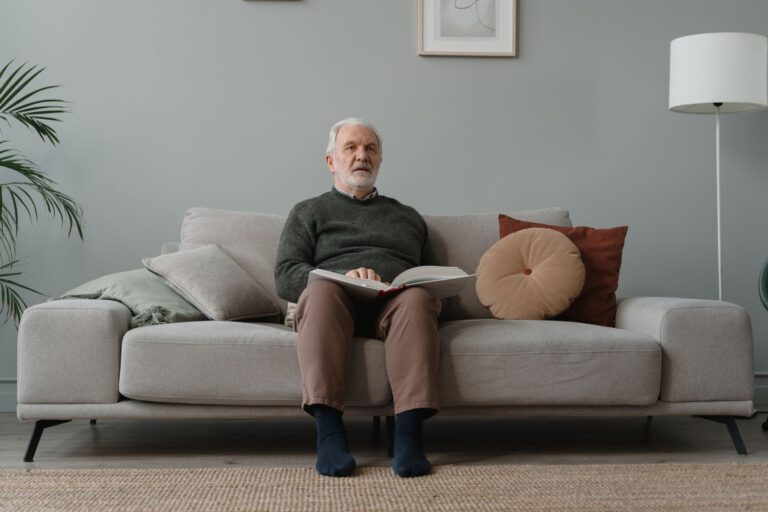
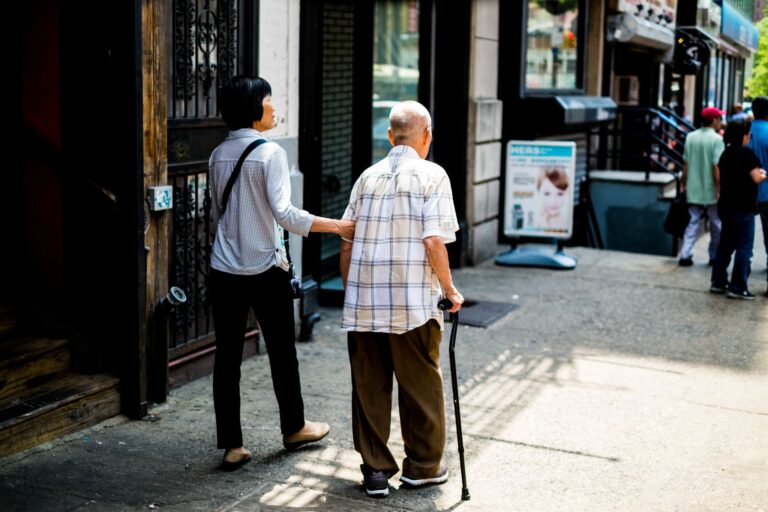
Alzheimer’s disease progressively robs patients of the ability to recognize and report pain. A patient may spend hours slumped in a chair with a pressure point developing on their hip or tailbone, completely unaware that tissue damage is occurring beneath the surface. Unlike a stroke patient who might notice and shift position, or a cognitively intact elderly person who would ask for help, an Alzheimer’s patient may not have the mental capacity to realize they’ve slumped to one side or that they need to move. By the time a caregiver notices redness or a sore, the damage is often weeks into development. Research confirms this vulnerability. dementia patients who spend extended periods seated face significantly higher risk of developing pressure ulcers compared to mobile or cognitively intact populations.
The combination of immobility, inability to communicate discomfort, and often poor nutrition creates a perfect storm. This is why upgrading from a standard chair cushion to a therapeutic pressure relief cushion is not a luxury—it’s a clinical necessity. The difference between a basic foam cushion and an air compartment system can mean the difference between maintaining skin integrity and requiring wound care intervention. The stakes extend beyond the physical wound. A pressure ulcer can trigger a cascade of complications: infection, hospitalization, reduced mobility (as the patient avoids sitting due to pain), and accelerated cognitive and physical decline. For families already managing the emotional weight of Alzheimer’s progression, preventing a preventable complication is a concrete way to protect their loved one’s quality of life.
Understanding Cushion Technologies—From Foam to Active Air Systems
Pressure relief cushions are categorized into four risk bands based the severity of pressure sore risk. For low and medium risk patients, foam or gel cushions may be adequate—these materials absorb and distribute pressure through their structure but rely on the patient’s own movement to shift weight. However, for high and very high risk patients, particularly those with limited mobility or cognitive impairment, alternating air cell cushions with electronic pumps are the clinical gold standard. These systems actively shift weight across compartments every few minutes, preventing any single area from experiencing sustained pressure. The technology works by continuously adjusting which air compartments are inflated and which are deflated, creating a gentle pressure wave across the seating surface. Rather than asking the patient to move themselves—something an Alzheimer’s patient cannot do—the cushion actively prevents pressure buildup by changing the distribution pattern automatically. A randomized clinical trial comparing wheelchair seat cushions found that air compartment systems demonstrated the best pressure-distributing properties among all pressure-reducing options.
This is critical for non-verbal patients because it removes the dependency on the patient’s own awareness or ability to self-adjust. However, air compartment cushions come with trade-offs. They require electricity, pump maintenance, and are more expensive upfront. Some patients find the subtle cycling motion uncomfortable initially (though most adapt quickly). Gel cushions, by contrast, require no power and have longer lifespan without maintenance, but they cannot provide the active pressure relief that immobilized Alzheimer’s patients need. The choice depends on risk level: if your patient is spending 8+ hours daily in a chair and has limited mobility, the clinical evidence points toward air compartment systems. If they’re mobile and only seated for 2-3 hours at a time, a high-quality gel cushion may be sufficient.
Beyond the Cushion—Safety Features and Lateral Support for Non-Verbal Patients
A chair cushion doesn’t exist in isolation. The cushion’s effectiveness depends on lateral supports to prevent the patient from sliding or slumping sideways, armrests that encourage proper positioning, and a seat depth that supports the thighs without creating pressure behind the knees. For Alzheimer’s patients specifically, non-slip design is not optional—it’s essential. The cushion must have a non-slip rubber bottom or velcro straps that attach securely to the chair frame. This matters because a caregiver needs to be able to quickly reposition the patient without the cushion shifting or sliding. Imagine a scenario: your parent has Alzheimer’s and is seated in their favorite chair wearing an incontinence brief.
Two hours into sitting, their body has gradually shifted sideways due to gravity and the smooth chair surface. A caregiver checking on them notices the uneven weight distribution but cannot explain the need to shift—and the patient cannot cooperate with repositioning. A non-slip cushion anchored with velcro allows the caregiver to safely adjust the patient’s position without the cushion bunching up or sliding. This small feature directly impacts how effectively pressure is distributed during those frequent repositioning efforts. Additionally, the chair’s backrest and postural support system work in concert with the cushion. A chair with tilt-in-space functionality—where the entire seat and back recline together rather than just the back angle changing—helps centralize the patient’s alignment and alleviates load on pressure points. Without proper back support, a patient may spend hours with their spine curved in an unsupported slouch, creating concentrated pressure on the lower back and tailbone even if the cushion is excellent.

How to Obtain Professional Assessment and Navigate the Referral Process
The best cushion for your patient is not one you select alone—it’s one recommended by an occupational therapist or wound care nurse who understands your patient’s specific risk factors, body composition, and seating needs. These professionals can assess factors like body weight distribution, existing skin condition, mobility level, and incontinence management, then recommend a cushion type and brand matched to those factors. The question is often: how do you access this expertise? One pathway is through a home health referral following hospitalization. If your parent has been hospitalized for any reason—a fall, infection, surgery—you can request occupational therapy as part of their discharge plan. The home health OT will perform a seating assessment and can recommend cushions, often with insurance coverage. If your parent hasn’t been recently hospitalized, ask their primary care physician for a referral to outpatient occupational therapy.
Many insurance plans cover seating evaluations if the request comes from a physician. This is the clinical route: documentation, referral, professional assessment, and evidence-based recommendation. A second pathway, if you cannot secure a professional assessment immediately, is to start with evidence-based categories. If your parent is high-risk (spending 8+ hours seated, limited mobility, unable to communicate discomfort), begin with a mid-range gel or entry-level air cushion from a reputable manufacturer. Products like the Cushion Lab Pressure Relief Seat Cushion ($60-70 range) bridge the gap between budget options and high-end clinical systems. However, understand that this is a temporary measure while you work toward professional assessment, not a permanent solution for a high-risk patient.
The Holistic Seating Approach—Why the Cushion Alone Is Not Enough
A cushion is one component of a comprehensive seating system. Think of it this way: a $100 air compartment cushion placed in a chair with a worn seat frame, inadequate back support, and no armrests will not perform optimally. The chair itself matters. Key components include a properly angled backrest (not too reclined, not too upright), armrests at the correct height for your patient’s frame, adequate seat depth so the patient’s thighs are fully supported, and ideally tilt-in-space capability for repositioning without the patient standing. Many families find that upgrading the chair alongside the cushion yields better outcomes than cushion alone. A “dementia care chair” or “clinical seating chair” integrates lateral supports, a non-slip cushioned seat, proper back support, and sometimes tilt-in-space functionality into one unit.
These chairs typically cost $1,500-$3,500 but are designed specifically for patients with limited mobility and cognitive impairment. However, if your parent is already in a comfortable, well-made chair (like a quality recliner), adding a premium therapeutic cushion may be sufficient without a chair replacement. The holistic approach also includes a repositioning schedule. Even the best cushion cannot prevent pressure ulcers if a patient sits motionless for 12 hours. Best practice is repositioning every 2 hours: slightly shifting the patient’s weight, adjusting their posture, or if possible, moving them to a different chair. For patients on air cushions, this repositioning is still necessary because cushions reduce risk—they don’t eliminate it. An Alzheimer’s patient who cannot self-reposition needs a caregiver committed to a regular repositioning schedule, supported by a seating system (chair + cushion) that makes repositioning safe and practical.

Budget Options and Product Selection for Different Care Settings
For families working with limited budgets, the ComfiLife Gel Enhanced Seat Cushion ($35-45) offers reasonable pressure relief for low to medium-risk patients—those who are still somewhat mobile or only seated for 4-6 hours daily. It uses gel material to absorb and distribute pressure, includes a non-slip bottom, and is easy to clean. However, for a patient with advanced Alzheimer’s spending most of the day in a chair, this price point usually signals a foam or gel-only product without the active pressure-shifting that high-risk patients need. In the $60-70 range, products like the Cushion Lab Pressure Relief Seat Cushion offer better support than budget options while remaining accessible to most families. These mid-range cushions typically combine gel, foam, and sometimes air compartments in hybrid designs that provide meaningful pressure relief without the cost and complexity of clinical-grade air systems.
They’re appropriate for medium to high-risk patients as a starting point, with the understanding that if a patient develops pressure ulcer signs despite the cushion, an upgrade to a clinical-grade system may be necessary. For very high-risk patients (advanced Alzheimer’s, limited mobility, incontinence, poor nutrition), clinical-grade alternating air cushions start around $300-500 and can exceed $1,000 depending on pump sophistication and materials. These are the systems with the strongest clinical evidence. Insurance may cover these with proper medical justification and physician order. The investment is significant, but preventing a stage 2 or 3 pressure ulcer—which can cost $10,000+ in treatment and nursing care—makes the upfront cost reasonable.
Monitoring, Adjustment, and When to Upgrade Your Cushion System
Once you’ve selected and implemented a cushion, the work doesn’t end. Effective pressure ulcer prevention requires ongoing monitoring and adjustment. Check your parent’s skin daily, particularly areas that bear weight: tailbone, hips, lower back, and heels. Look for redness that doesn’t blanch (doesn’t turn white) when you press it—this is a warning sign of early pressure damage. Establish a routine: each morning or evening, gently examine the skin while helping with hygiene. This becomes your early warning system. As Alzheimer’s progresses and your parent’s mobility declines further, their cushion needs may change. A patient who was mobile six months ago may now spend almost all day seated, moving from bedroom to chair to dining table and back.
This change in lifestyle requires reassessment. What was adequate support when there was some daily movement may now be insufficient. Similarly, if your parent experiences significant weight loss (common in advancing dementia), the pressure distribution profile changes and the cushion may no longer fit their anatomy properly. This is a good time to revisit professional assessment or contact the cushion manufacturer’s support team. Also consider seasonal and environmental factors. In summer, some patients find gel cushions uncomfortable because the gel retains heat. Air cushions, which circulate air passively, may feel cooler. Conversely, in cold months, some patients prefer the passive comfort of gel. These are subtle factors, but they influence whether your parent actually uses the cushion or gradually slips back to sitting on a regular chair cushion.
Conclusion
The best chair cushion for an Alzheimer’s patient who cannot express discomfort is an air compartment cushion with active pressure-shifting capability, selected with professional guidance from an occupational therapist or wound care nurse. These systems have the strongest clinical evidence for preventing pressure ulcers in immobilized patients. However, the cushion is one part of a broader strategy that includes proper chair support, a consistent repositioning schedule, daily skin monitoring, and ongoing assessment as the patient’s needs evolve. Since your loved one cannot tell you they’re hurting, the goal is to prevent the condition before it develops.
Start by requesting a professional seating evaluation through your parent’s physician or home health provider. While you pursue that assessment, research mid-range cushions ($60-70) that offer a reasonable starting point if immediate intervention is needed. Understand that this is an ongoing process, not a one-time purchase—as dementia progresses and body composition changes, you’ll likely revisit and adjust the seating system. The good news is that a thoughtful approach to therapeutic seating is one of the few interventions where caregiver effort directly translates to improved patient outcomes and reduced pain.
You Might Also Like
- What’s the Best Cushion for Alzheimer’s Patients Who Require Full Assistance?
- What’s the Best Chair Cushion for Alzheimer’s Patients in Early Stages?
- What’s the Best Cushion for Alzheimer’s Patients Recovering From Surgery?
For more, see Alzheimer’s Association — caregiving.