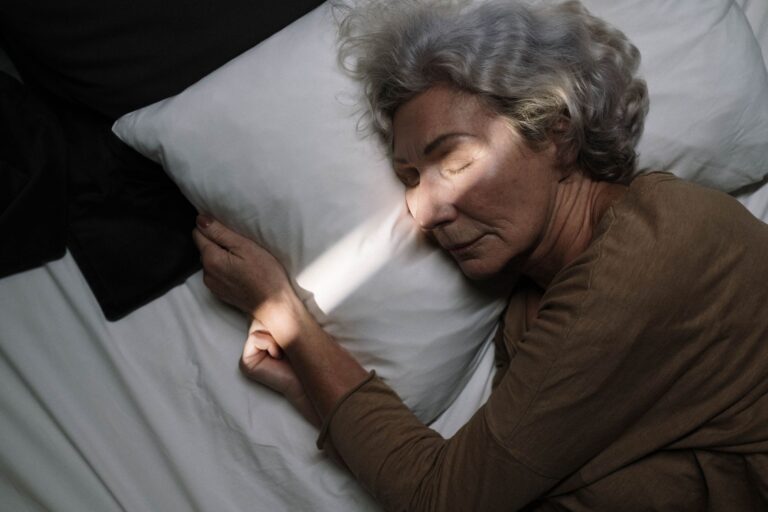
Heat emergency sits at the center of this dementia and brain health question.
A historic heat wave swept across the United States in March 2026, shattering temperature records with an intensity that scientists say would be virtually impossible without human-induced climate change. Yuma, Arizona recorded 109°F on March 20, breaking the national March record that had stood since 1954. Even more alarming, four weather stations across Arizona and California hit 112°F on the same day, while Martinez Lake, Arizona reached 110°F—the highest March temperature ever recorded in the United States.
For those caring for older adults with dementia, this unprecedented heat emergency presents urgent health risks that demand immediate attention and preparation. This article examines the record-breaking temperatures, the scope of the emergency affecting millions of Americans, and why dementia patients face heightened vulnerability during extreme heat events. We’ll explore the climate science behind this anomaly, the warning systems now in place, and concrete steps families and caregivers can take to protect their loved ones during dangerous heat conditions. Understanding these risks is critical for anyone managing the care of elderly relatives or patients during what climate scientists warn could become an increasingly frequent occurrence.
Table of Contents
- How Many Temperature Records Were Shattered During This March Heat Wave?
- How Far Above Normal Are These Temperatures, and What’s Causing This?
- Why Are Older Adults with Dementia at Particular Risk During Heat Emergencies?
- What Immediate Safety Measures Should Caregivers Implement During Heat Emergencies?
- How Does This Heat Emergency Relate to Broader Climate Trends That Caregivers Should Understand?
- What Resources Are Available During Declared Heat Emergencies?
- Looking Forward—How Should Dementia Care Planning Adapt to Our Changing Climate?
- Conclusion
How Many Temperature Records Were Shattered During This March Heat Wave?
The scale of this heat emergency is staggering. Over 1,500 temperature records fell during this single week across the Southwest. More than 100 all-time March record highs were broken or tied across eight states: California, Arizona, Colorado, Idaho, South Dakota, Wyoming, Texas, and the Carolinas. Specific communities hit by extreme heat included Denver, Las Vegas, Salt Lake City, Burbank, Fresno, Palm Springs, San Diego’s nine communities, and the Bay Area.
Phoenix tied its all-time April record of 105°F—in March, nearly a month before the official onset of extreme heat season. What makes this particularly significant is that these aren’t scattered anomalies in isolated locations. Extreme Heat Warnings were issued for nearly 40 million people across California, New Mexico, and Arizona, with Heat Advisories extending across multiple states through March 23. The consistency of record-breaking temperatures across such a wide geographic area indicates a systemic weather pattern, not localized conditions. For healthcare providers and family caregivers, this widespread nature means that heat safety preparations aren’t optional luxuries but essential preparations regardless of location.
How Far Above Normal Are These Temperatures, and What’s Causing This?
Temperatures during this heat wave spiked 20 to 40 degrees above average for the time of year—an extraordinary deviation from normal seasonal patterns. Some locations even broke all-time April records despite it still being March. This isn’t simply warm weather; it’s a departure from historical norms that reveals something fundamental about our changing climate. According to World Weather Attribution analysis, climate scientists confirmed this heat wave would be “virtually impossible” for this time of year in a world without human-induced climate change. More specifically, human-caused climate change has warmed the region by 4.7 to 7.2 degrees Fahrenheit, making this extreme event not just possible but increasingly likely.
However, understanding the climate attribution doesn’t reduce the immediate danger. While scientists debate long-term trends, families and caregivers must address the present reality: temperatures this high, occurring at this time of year, catch many people and infrastructure unprepared. Cooling systems may not be in place. Medications may not be properly stored. Vulnerable individuals haven’t mentally prepared for heat stress that shouldn’t occur until summer. The gap between expected seasonal conditions and actual conditions creates a critical safety window where assumptions about comfortable March temperatures prove dangerously wrong.
Why Are Older Adults with Dementia at Particular Risk During Heat Emergencies?
Dementia significantly impairs the body’s ability to regulate temperature and recognize heat stress. Older adults with dementia may not understand the danger of extreme heat, may resist cooling measures, or may forget to drink water despite severe dehydration risk. They may wander outside without adequate protection or sit in overheated rooms without seeking relief. Additionally, many common dementia medications—including antipsychotics, antidepressants, and anticholinergics—interfere with sweating and heat dissipation, the body’s primary cooling mechanisms.
The combination of cognitive decline, medication effects, and normal age-related changes to thermoregulation creates a perfect storm. While a younger adult experiencing 109°F heat might recognize discomfort and seek air conditioning, an older person with dementia may sit passively, their brain unable to trigger appropriate behavioral responses. Caregivers must become the external thermostat, actively monitoring room temperature, clothing choices, hydration, and location. During a 40-degree-above-normal heat event, passive care routines become life-threatening. This is why heat emergencies for dementia patients require proactive, anticipatory management rather than reactive response.

What Immediate Safety Measures Should Caregivers Implement During Heat Emergencies?
The first priority during extreme heat warnings is ensuring continuous access to air conditioning or aggressive cooling. If a patient’s home lacks adequate cooling, identify alternative locations: senior centers, libraries, shopping malls, or emergency cooling centers that many municipalities open during heat warnings. Don’t delay this transition until the patient is already suffering heat exhaustion. Second, establish a strict hydration protocol that doesn’t depend on the patient’s thirst—many older adults have diminished thirst sensation and dementia compounds this further. Offer fluids regularly throughout the day, even if the person resists.
Beyond these basics, maintain frequent temperature checks. A thermometer reading 99°F in a dementia patient might indicate serious heat stress even though it’s below the fever threshold. Watch for behavioral changes—increased confusion, agitation, lethargy, or mood shifts can signal dangerous heat accumulation. Compare how the person responds to usual stimuli; if they’re unusually withdrawn or irritable, heat stress could be the cause. Limit outdoor activities to early morning or evening, never leave the patient unattended, and dress them in lightweight, loose clothing. The tradeoff here is managing the balance between safety and quality of life—a person shouldn’t spend months confined indoors—but during an active heat emergency with warnings affecting 40 million people, containment takes priority over activity preferences.
How Does This Heat Emergency Relate to Broader Climate Trends That Caregivers Should Understand?
This March heat wave isn’t an isolated incident but part of an accelerating pattern. Climate attribution research shows that human-induced climate change has increased the likelihood of extreme heat events while also making them more intense and longer-lasting. What was a once-in-a-century heat event fifty years ago may become more common. For families planning long-term care arrangements, this has real implications: assuming seasonal predictability is increasingly unreliable.
A dementia patient who coped fine with previous summers might face unprecedented heat stress in coming years. However, this reality doesn’t mean caregivers are helpless. Understanding that heat emergencies are likely to occur—perhaps repeatedly—allows for better preparation. This could mean investing in backup cooling systems, establishing relationships with cooling centers before emergencies happen, talking with the patient’s doctor about medication adjustments during heat season, or considering relocation if a current home lacks adequate cooling capacity. The warning from climate science is simultaneous with a call to action: these events are coming, predictability is declining, and proactive adaptation is no longer optional but essential for vulnerable populations.
What Resources Are Available During Declared Heat Emergencies?
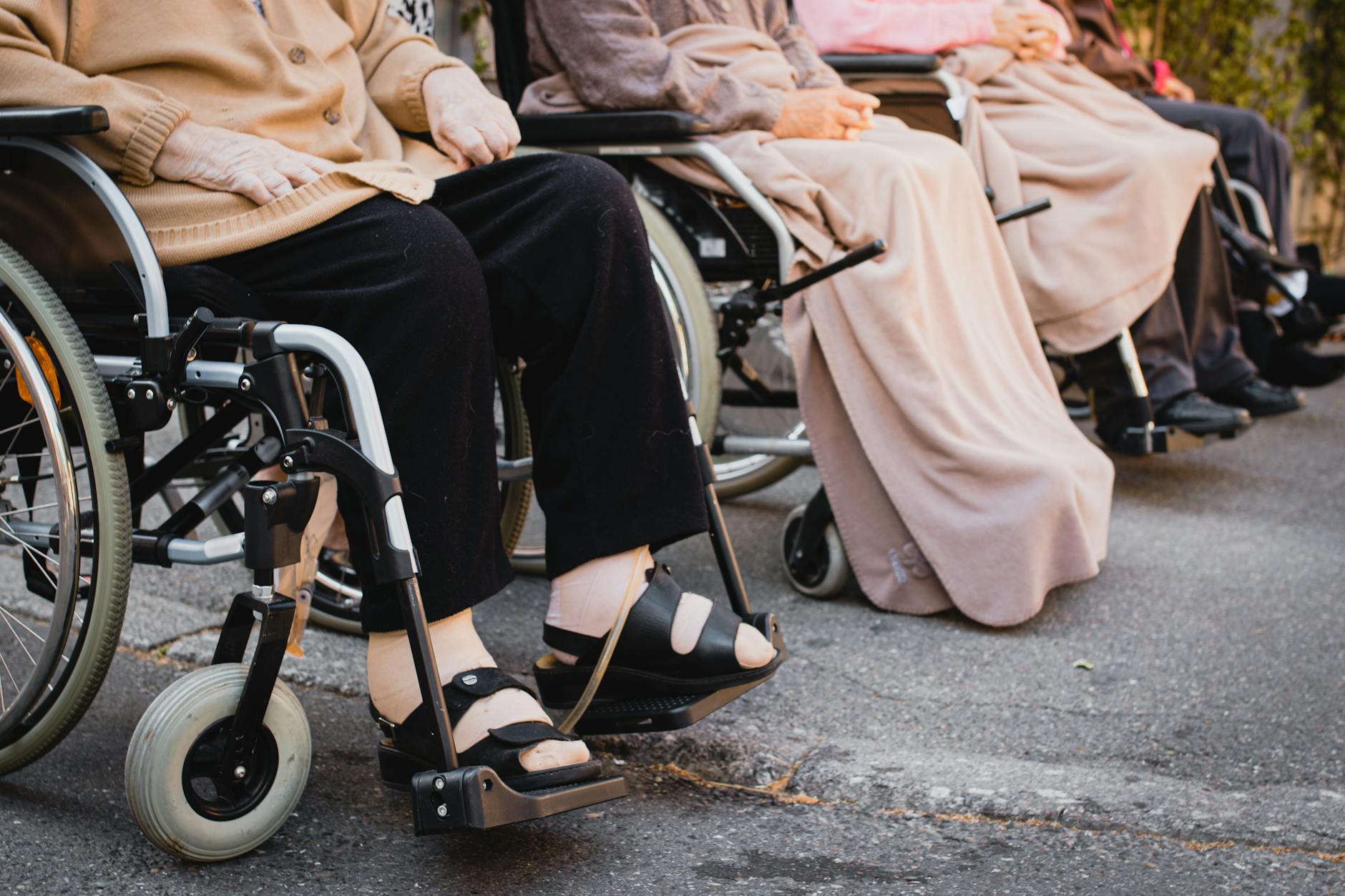
Most counties and municipalities activate emergency response systems when heat warnings are declared. These typically include opening public cooling centers, establishing warming-call programs where volunteers check on isolated elderly residents, and distributing information about heat safety. Many areas operate 211 hotlines (dial 211) that provide real-time information about emergency cooling locations. Additionally, the National Weather Service issues specific advisories and warnings differentiated by severity—learning to distinguish between a Heat Advisory (caution recommended) and an Extreme Heat Warning (conditions are dangerous) helps caregivers calibrate their response appropriately.
Community-based organizations serving seniors often have emergency protocols specifically for heat events. Contact local Alzheimer’s Association chapters, senior centers, or Area Agencies on Aging to ask about their heat emergency plans and whether they’ve identified accessible cooling facilities. During the week when this March heat wave struck, many facilities rapidly opened cooling centers, but advance awareness allows caregivers to avoid the chaos of emergency response and plan transitions proactively. Having a written heat emergency plan for your specific situation—naming specific locations, transportation methods, and contingencies—prevents critical decision-making during acute stress when someone’s judgment is compromised by panic or exhaustion.
Looking Forward—How Should Dementia Care Planning Adapt to Our Changing Climate?
The March 2026 heat emergency offers a sobering preview of climate reality: extreme weather events are arriving earlier, harder, and potentially more frequently than traditional seasonal expectations. Long-term dementia care planning should incorporate climate resilience as a standard consideration. This might mean asking care facility administrators about their cooling capacity and backup systems, ensuring medication management includes heat-stable storage, or discussing with physicians whether current medication regimens are optimal given increasing heat stress. For families making decisions about where an older family member with dementia will live, climate factors merit serious consideration.
A retirement community in a region experiencing more intense and longer heat seasons may face strain on infrastructure and caregiving capacity during emergencies. Conversely, communities with robust public health systems and established heat-response protocols offer better protection. The science is clear: the world without human-induced climate change is not the world we’re living in. Heat emergencies like the one that struck in March 2026 will likely become reference points for comparison rather than exceptional outliers.
Conclusion
The March 2026 heat emergency, with temperatures shattering records across eight states and affecting 40 million people, underscores a fundamental vulnerability in our care for older adults with dementia. When Yuma, Arizona hit 109°F and four weather stations recorded 112°F, these weren’t just statistics—they represented genuine health crises for vulnerable people whose cognitive decline and medications make temperature regulation nearly impossible. Understanding why dementia patients face such heightened risk during extreme heat, recognizing the early warning signs of heat stress, and implementing immediate protective measures can mean the difference between a person surviving an emergency and suffering serious harm. The path forward requires both immediate action and systemic thinking.
In the near term, caregivers should develop written heat emergency plans, identify cooling resources before they’re needed, and establish protocols for monitoring hydration and temperature. Longer term, dementia care arrangements—whether home care, assisted living, or facility-based—should explicitly account for climate resilience. With climate scientists confirming that this type of heat would be virtually impossible without human-induced climate change, and that warming of 4.7 to 7.2 degrees Fahrenheit is already locked in, preparation for recurring heat emergencies isn’t optional. It’s central to responsible dementia care planning in the 21st century.
You Might Also Like
- Record Heat Forces Cities to Issue Emergency Weather Advisories
- Extreme Weather Pushes Energy Grids to Their Limits
- Flights Halted at LaGuardia After Plane Incident Sparks Emergency Response
For more, see Alzheimer’s Association — medical tests.