A simple stretch of the piriformis muscle—a deep muscle in the buttocks—can significantly reduce nerve pressure and alleviate the shooting pain that radiates down the leg. This stretch works by releasing tension in the piriformis, which when tight, compresses the sciatic nerve and triggers what’s commonly called sciatica. For someone experiencing sharp leg pain that makes walking or sitting uncomfortable, this single stretch can offer meaningful relief without medication. This article explores the science behind how stretching reduces nerve pressure, the specific stretches most effective for sciatic pain, when to seek professional help, and how to perform these stretches safely to avoid making symptoms worse.
Nerve pressure doesn’t develop suddenly—it typically builds over weeks or months as muscles tighten and compress nearby nerves. The good news is that the mechanical nature of nerve compression means it often responds well to targeted stretching. The piriformis and hamstring stretches, both backed by evidence, address the root cause of pressure rather than just masking pain. For older adults and those managing cognitive decline, maintaining nerve health and mobility is essential to staying independent and reducing fall risk.
Table of Contents
- How Does Stretching Actually Reduce Nerve Pressure?
- The Piriformis Stretch—The Most Effective Option for Sciatic Pain
- The Hamstring Stretch and the Scissor Position
- Building a Consistent Stretching Routine That Works
- Red Flags—When Stretching Isn’t Enough and You Need Medical Help
- How Nerve Health Connects to Brain Health and Mobility
- The Importance of Professional Guidance in Your Stretching Journey
- Conclusion
How Does Stretching Actually Reduce Nerve Pressure?
When a muscle tightens, it can squeeze the nerves passing through or near it. The sciatic nerve, the largest nerve in the body, runs from the lower spine down through the buttocks and legs. If the piriformis muscle tightens, it literally compresses this nerve, creating the characteristic burning or shooting pain of sciatica. Stretching works by lengthening the muscle and creating space for the nerve, relieving the physical compression. Research shows that peripheral nerves respond to muscle stretching with decreased nerve stiffness and increased pain pressure thresholds—meaning the nerve becomes less irritable and can tolerate more pressure before signaling pain.
This isn’t about stretching the nerve itself, which can actually worsen symptoms. Instead, it’s about releasing the muscle that’s pinching the nerve. When you hold a stretch for 10 to 30 seconds and repeat it two to three times, you’re giving the muscle time to relax and lengthen. Some people feel relief within a single stretch session, while others need consistent stretching over several days to see improvement. The key difference from massage or heat therapy is that stretching addresses the mechanical cause—the muscle tightness—rather than just soothing inflammation.

The Piriformis Stretch—The Most Effective Option for Sciatic Pain
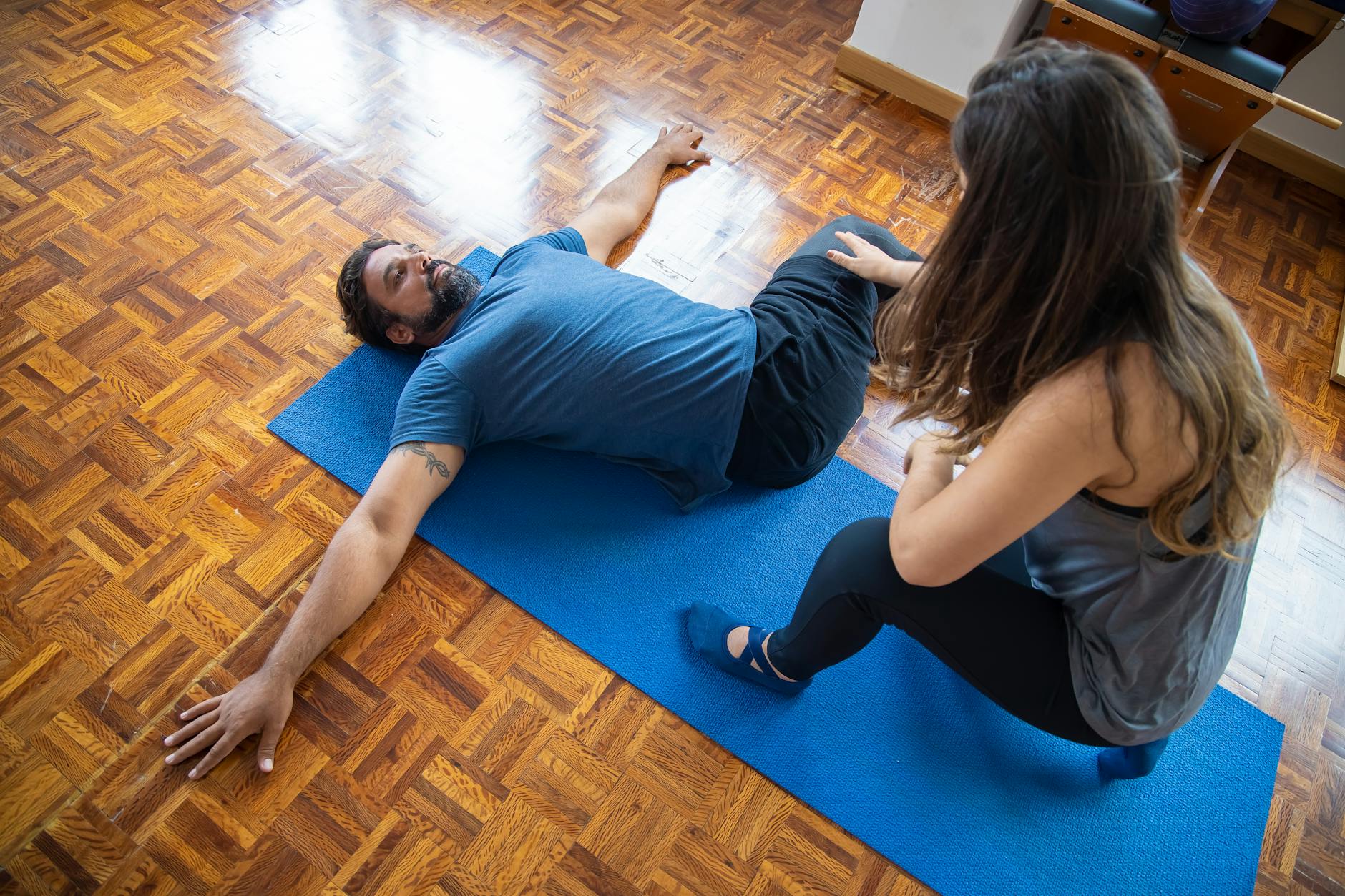
The piriformis stretch is the gold standard for sciatic nerve relief because it directly targets the muscle responsible for most cases of nerve compression. To perform it, lie on your back with one knee bent and cross that ankle over the opposite knee, then gently pull the uncrossed knee toward your chest. You should feel a deep stretch in the buttock of the leg you’re pulling. Hold it for 10 to 30 seconds, then release.
Repeat 2 to 3 times on each side. However, there’s an important caveat: if the stretch causes sharp pain or increases your symptoms, stop immediately and do not continue. Some people have structural issues or nerve inflammation that stretching can aggravate. This is why physical therapists emphasize that certain exercises may worsen symptoms if performed incorrectly or if they’re inappropriate for your specific condition. If you feel pain stopping immediately, that’s different from feeling a stretching sensation in the muscle—pain is a warning sign to stop, while a muscle stretch should feel like mild tension.
The Hamstring Stretch and the Scissor Position
A second highly effective stretch targets the hamstring muscles, which sit on the back of the thigh. When hamstrings tighten, they can pull on the sciatic nerve or contribute to overall leg tension that worsens nerve compression. The scissor stretch is performed by standing with feet apart and bending forward at the hips, keeping your legs straight, until you feel a stretch down the back of your legs. Alternatively, sitting down and reaching toward your toes with straight legs achieves the same effect. This stretch reduces pressure by releasing the hamstring’s grip on the sciatic nerve.
The difference between the piriformis and hamstring stretches is their location and angle of approach. The piriformis stretch targets the deep muscle in the buttock, while the hamstring stretch addresses the thigh muscle. Some people find one works better than the other, and many benefit from doing both. The combination is particularly effective because nerve compression often involves multiple tight muscles. However, if you have low back pain or disc issues, bending forward at the hips may not be appropriate—consult a healthcare provider first.
Building a Consistent Stretching Routine That Works
The timing and consistency of stretching matter more than occasional aggressive stretching. Doing the piriformis and hamstring stretches two to three times per day, holding each for 10 to 30 seconds, creates cumulative improvement. Many people do stretches in the morning, midday, and evening, or whenever they notice tightness. Unlike medication, which provides temporary relief, regular stretching addresses the underlying muscle tightness and can prevent symptoms from returning.
There’s a tradeoff between pushing hard and staying consistent. Some people assume that holding a stretch longer or doing it more intensely will speed recovery. In reality, overstretching can inflame the nerve further or cause muscle soreness that discourages continued stretching. A gentle, daily routine beats an aggressive session you do once a week. Most people see improvement within one to two weeks of consistent stretching, though some experience relief in days.
Red Flags—When Stretching Isn’t Enough and You Need Medical Help
If you experience sciatic nerve pain for more than one month, you should consult a doctor or physical therapist, even if stretching provides partial relief. Pain lasting this long may indicate a disc herniation, bone spur, or other structural issue that requires professional evaluation. Physical therapists can identify which specific muscles are tight, screen for conditions that stretching might worsen, and create a personalized program tailored to your condition.
They can also teach you variations appropriate for your body and limitations. Additionally, certain warning signs suggest you should seek immediate care rather than relying on stretching. Severe pain that shoots down the leg with numbness or weakness, loss of bladder or bowel control, or pain in both legs are signs of more serious nerve involvement requiring urgent evaluation. For older adults and those with multiple conditions, a physical therapist visit before starting a stretching routine ensures you’re not accidentally making a hidden condition worse.

How Nerve Health Connects to Brain Health and Mobility
For people managing cognitive decline or dementia, maintaining nerve health and leg strength is critical to preventing falls and maintaining independence. Sciatica and nerve pain limit mobility, reduce physical activity, and increase fall risk—all factors that accelerate cognitive decline. When older adults can move without pain, they stay more active, engage more socially, and maintain better overall health.
A simple stretching routine that reduces leg pain can have cascading benefits for both physical and cognitive function. Additionally, chronic pain itself affects cognition and mood. When someone is in constant pain, their attention narrows, memory function suffers, and mood declines. Relieving nerve pressure through stretching can improve not just leg pain but also focus, mood, and quality of life—benefits that extend well beyond the physical symptom.
The Importance of Professional Guidance in Your Stretching Journey
While these stretches are safe for most people, the “safe for most” qualifier matters. A physical therapist can watch you perform stretches, correct your form, and identify subtle issues you might miss on your own. They can also rule out conditions where stretching is contraindicated and suggest alternatives.
For those on blood thinners, with severe osteoporosis, or with other medical conditions, professional guidance isn’t optional—it’s essential. Looking ahead, maintaining flexibility and strength through regular stretching can prevent sciatic nerve compression from returning. This isn’t a one-time fix but a habit that pays dividends throughout life, keeping you mobile, independent, and active.
Conclusion
The piriformis stretch is a scientifically supported, accessible tool for reducing nerve pressure and sciatic pain. By targeting the specific muscle compressing the nerve, consistent gentle stretching can relieve symptoms without medication. The key is holding stretches for 10 to 30 seconds, repeating 2 to 3 times, and doing this daily rather than intermittently.
If your nerve pain persists beyond one month, causes severe symptoms, or worsens with stretching, consult a physical therapist or physician. They can ensure you’re addressing the real cause and help you avoid stretches that might aggravate your condition. For those managing brain health and cognitive function, reducing pain and maintaining mobility through simple stretching routines is an investment in independence and long-term wellbeing.