Exercises used sits at the center of this dementia and brain health question.
Pelvic stability exercises form the foundation of modern rehabilitation programs because they target the interconnected muscles that support bladder control, bowel function, and spinal stability—nine key exercises have emerged as the most effective in clinical settings. These include Kegel contractions, bridge exercises, clamshells, quadruped hip extensions, glute squeezes, pelvic tilts, standing hip abduction, lateral band walks, and dead bug variations. A 74-year-old woman recovering from fall-related hip surgery, for example, regained the ability to walk without assistance within eight weeks using a structured progression through these nine exercises, demonstrating how targeted pelvic stability work translates to functional independence in daily life.
This article breaks down each exercise, explains how physical therapists implement them in rehabilitation settings, and clarifies why pelvic stability matters particularly for older adults and those managing age-related decline. Pelvic stability involves more than just one muscle group—it requires coordinated activation of the pelvic floor, deep abdominal muscles, hip stabilizers, and gluteal muscles working together. When these structures weaken or lose neural control, people experience incontinence, fall risk, lower back pain, and reduced mobility. Rehabilitation programs systematically rebuild this stability because the exercises must be performed in the right order and with proper progression to avoid overloading deconditioned tissues or missing critical functional gains.
Table of Contents
- What Makes Pelvic Stability Critical for Functional Independence?
- The Foundation Layer—Kegel Exercises and Pelvic Floor Activation
- The Bridge Exercise—Integrating Gluteal Activation with Spinal Stability
- Clamshells and Lateral Stability—Side-Lying Strengthening
- Quadruped Hip Extension and Contralateral Activation
- Glute Squeezes and Isometric Activation
- Progressive Variations—From Bridge Holds to Dead Bug Exercises
- Conclusion
What Makes Pelvic Stability Critical for Functional Independence?
pelvic stability serves as the literal foundation for everything from standing and walking to lifting and bending. When the pelvic muscles weaken—whether from age, surgery, inactivity, or neurological changes—the entire kinetic chain becomes compromised. The pelvis acts as the attachment point for over a dozen major muscle groups, meaning instability here cascades into postural problems, gait dysfunction, and chronic pain patterns.
In rehabilitation settings, clinicians prioritize pelvic stability because it’s one of the few areas where targeted exercise produces rapid functional improvement. A person who can stabilize their pelvis can walk farther, sit longer without discomfort, and recover from falls more effectively. However, not all exercises work equally for all people—someone with severe cognitive decline may need much simpler cues and fewer exercise variations than someone recovering from routine surgery, which is why therapists modify progression based on individual capacity.

The Foundation Layer—Kegel Exercises and Pelvic Floor Activation
Kegel exercises (pelvic floor muscle contractions) remain the starting point because they isolate and strengthen the muscles that support urinary and bowel continence. The exercise involves deliberately contracting the muscles you would use to stop the flow of urine midstream, holding the contraction for 2-3 seconds, then releasing completely. Clinical protocols typically recommend 10-20 repetitions per set, performed 2-3 times daily, though proper form matters more than high repetition counts.
The limitation here is that many people perform Kegels incorrectly—either bearing down instead of contracting, or gripping their abdominal muscles instead of isolating the pelvic floor. This is why assessment with a physical therapist is valuable; many people think they’re doing Kegels correctly when they’ve actually learned the wrong movement pattern. Additionally, if someone has significant abdominal weakness or spinal pain, Kegel contractions can paradoxically worsen symptoms if the pelvic floor overgrips in compensation for core instability. In those cases, therapists teach relaxation and coordination before adding strengthening.
The Bridge Exercise—Integrating Gluteal Activation with Spinal Stability
The bridge exercise requires lying on your back with knees bent and feet flat, then lifting the hips toward the ceiling while squeezing the glutes and maintaining neutral spine alignment. This single movement simultaneously activates the pelvic floor, strengthens the gluteal muscles, and teaches spinal stabilization—which is why it appears in almost every pelvic rehabilitation protocol. A concrete example: a 68-year-old man with chronic lower back pain was instructed to perform 3 sets of 10 bridges daily.
Within two weeks, he noticed his pain reduced by half during walking, not because bridges somehow directly fixed his back, but because stronger glutes and pelvic stability reduced compensatory tension in his lower back. A key warning with bridges is that people often try to move too quickly or lift the hips too high—this typically recruits the lower back extensors instead of the glutes, defeating the purpose. The correct depth is when the hips align with the knees and shoulders, creating a straight line through the torso.
Clamshells and Lateral Stability—Side-Lying Strengthening
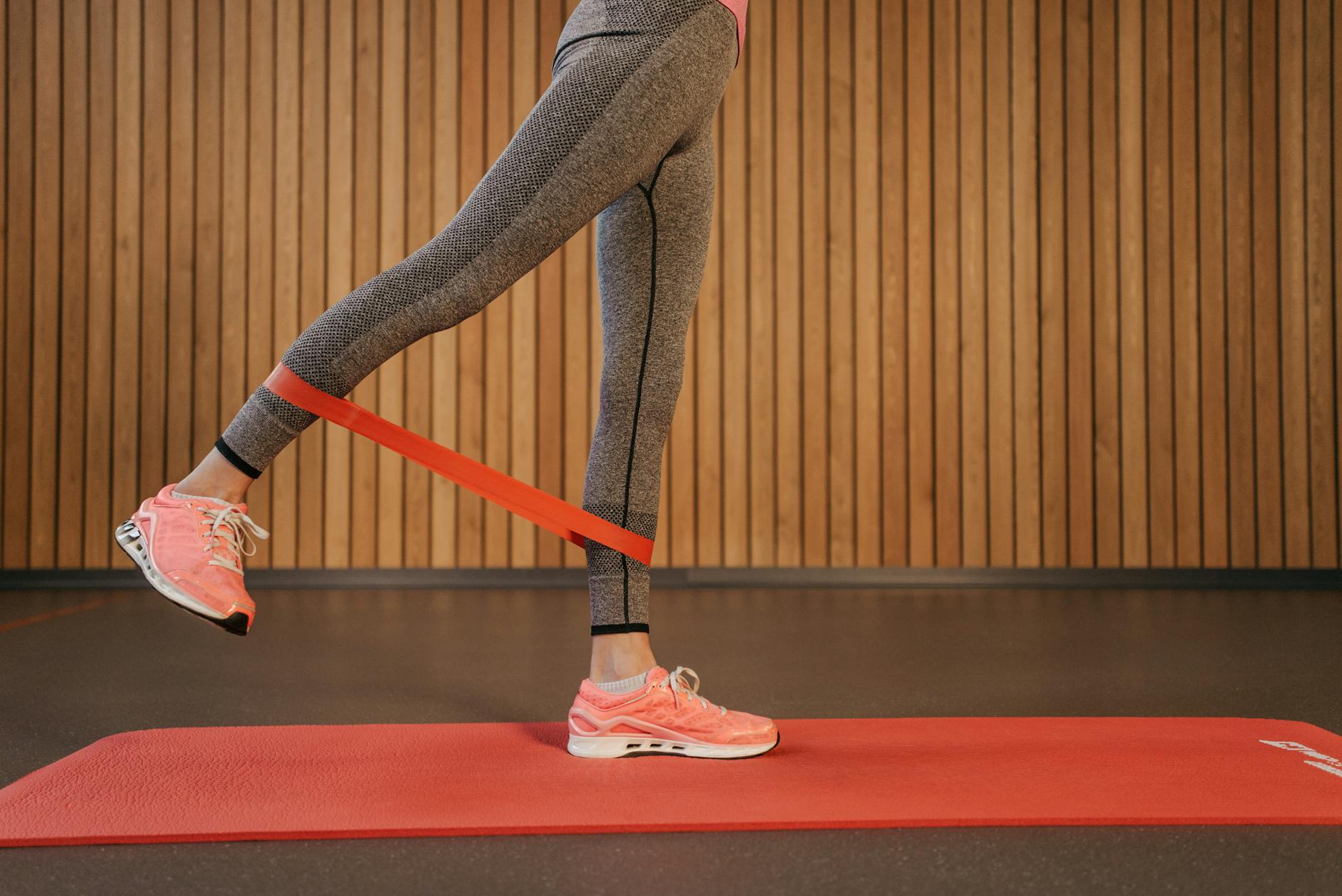
Clamshells target the gluteus medius and hip external rotators by having a person lie on their side with hips and knees bent, then lift the top knee while keeping the feet together—like opening a clamshell. This exercise addresses a specific instability pattern: hip weakness on the side opposite gravity, which creates asymmetrical loading during walking and increases fall risk. The tradeoff is that clamshells are relatively low-intensity, so they work best as part of a layered progression rather than a standalone exercise.
For someone very deconditioned, clamshells might be the appropriate starting point; for someone recovering from knee surgery, they might skip straight to more challenging variations like side-lying leg lifts. Therapists typically program 15-20 repetitions per side, focusing on slow, controlled movement rather than bouncing or momentum. The exercise becomes significantly harder when performed on an unstable surface like a foam pad, but this variation is reserved for people with good baseline stability to avoid compensation patterns.
Quadruped Hip Extension and Contralateral Activation
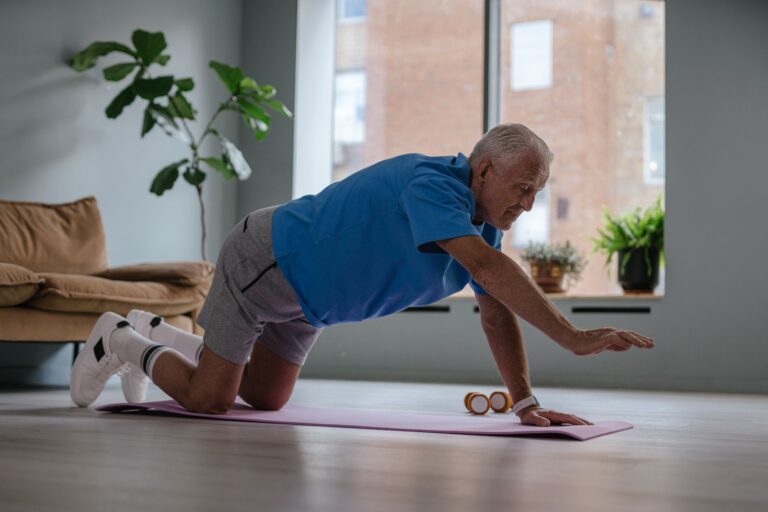
Quadruped hip extension (also called “fire hydrant” variations) requires being on hands and knees, then extending one leg back and up while maintaining a stable spine. This posture is functionally relevant because it mimics the leg extension that occurs during walking and stair climbing, making it more directly applicable to real-world movement than isolated floor exercises.
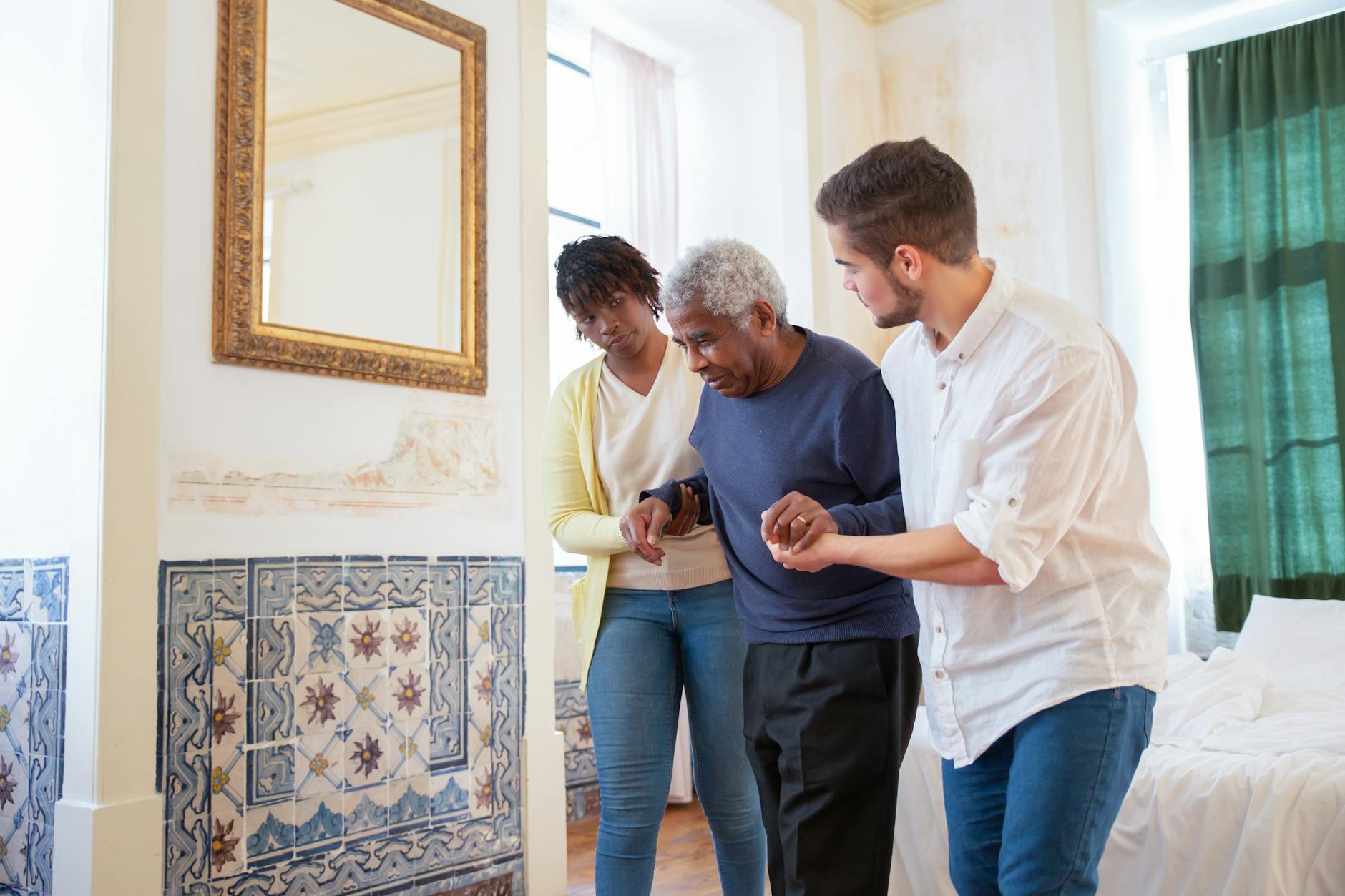
A specific implementation detail: therapists often cue “squeeze the glute and don’t let your spine sag or rotate”—if someone allows their lower back to hyperextend or their pelvis to shift, they’re no longer isolating the hip extensors, and the exercise provides little benefit. This is particularly important for people with cognitive decline, who may need repeated physical cues or tactile feedback from the therapist rather than verbal instruction alone. Additionally, if performed on an unstable surface or with too much speed, quadruped hip extension can trigger protective guarding in the lower back, worsening rather than improving stability.
Glute Squeezes and Isometric Activation
Glute squeezes involve deliberately tightening the gluteal muscles while standing, sitting, or lying down—a deceptively simple exercise that creates strong neuromuscular activation with minimal movement demand. People perform these by squeezing hard for 1-2 seconds, releasing, and repeating for 10-15 repetitions, and because they require no special equipment or positioning, they can be practiced throughout the day.
An example of practical application: a nursing home resident with limited mobility performed seated glute squeezes during TV watching, and within three weeks showed measurable improvements in standing balance and reduced fall incidents during transfers. The exercise is particularly valuable for people with severe functional limitations who cannot perform more complex movements, and because it’s discreet, clients can practice it during daily activities without drawing attention.
Progressive Variations—From Bridge Holds to Dead Bug Exercises
Rehabilitation programs progress from simple static contractions to more complex movements like dead bug exercises, which require lying on your back with arms extended toward the ceiling and knees bent at 90 degrees, then slowly lowering one arm and opposite leg while maintaining neutral spine. Dead bugs challenge pelvic stability while the trunk moves, more closely mimicking real-world demands than isolated floor work.
This progression matters because the nervous system learns stability sequentially—first in simple positions, then against movement demands, then with perturbations. A person who can maintain pelvic stability during a dead bug exercise has developed the neuromuscular control needed to handle unexpected movements during daily activities like reaching or getting out of bed. The key insight is that more difficult exercises aren’t “better”—they’re simply appropriate at different stages of recovery, which is why individualized assessment and programming beats generic exercise routines.
Conclusion
The nine core exercises in pelvic rehabilitation—Kegels, bridges, clamshells, quadruped hip extension, glute squeezes, pelvic tilts, standing hip abduction, lateral band walks, and dead bug variations—work because they progressively rebuild the neuromuscular coordination required for continence, spinal stability, and functional movement. Each exercise has a specific biomechanical purpose, which is why they appear in nearly every modern rehabilitation protocol; the order and progression matter more than the individual exercises themselves.
For people managing age-related decline, dementia, or recovery from surgery or injury, pelvic stability is often the overlooked foundation that enables everything else—walking distance, transfer safety, continence, and quality of life. Working with a physical therapist to establish correct form and appropriate progression yields faster, more durable improvements than self-guided exercise routines. Begin with assessment to identify which stabilizers are weak or uncoordinated, progress systematically based on performance rather than arbitrary timelines, and recognize that pelvic stability is ongoing maintenance rather than a problem to “solve” in six weeks.
You Might Also Like
- 7 Exercises Used to Improve Lumbar Stability
- 7 Exercises Used in Most Spine Rehabilitation Clinics
- 7 Exercises Doctors Recommend for Back Strengthening Programs
For more, see Alzheimer’s Association — clinical trials.