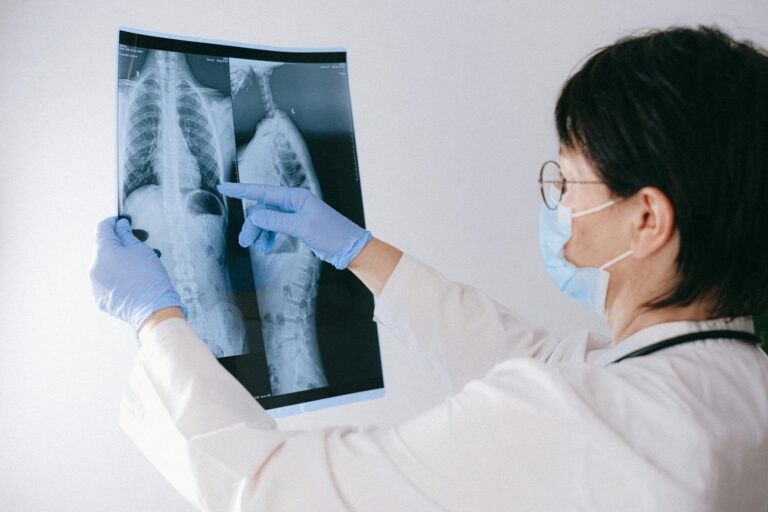
Spine injuries affect approximately 14.5 million people worldwide, and understanding the risk factors is critical for protecting yourself and your loved ones. Seven key factors significantly increase the likelihood of sustaining a spinal cord injury: age, gender, falls, motor vehicle accidents, occupational hazards, bone density and degenerative diseases, and certain medical conditions. For families managing dementia or caring for aging relatives, several of these risks become more pronounced—particularly falls, which become the leading cause of spinal injury after age 65.
This article breaks down each risk factor, explains why it matters, and offers practical insight into who faces the greatest vulnerability. The global incidence rate for spinal cord injury stands at 23.77 per million people, yet this number varies dramatically depending on demographics and lifestyle. By recognizing these risk factors early, families can take steps to prevent injury and ensure proper care if one does occur.
Table of Contents
- Why Age Dramatically Changes Your Spine Injury Risk
- Gender Disparities in Spine Injury Rates and What They Reveal
- Falls as the Leading Cause in Older Adults
- Motor Vehicle Accidents Remain the Top Cause in the United States
- Occupational Hazards Pose Persistent Risk for Working-Age Men
- Osteoporosis and Degenerative Spine Disease Create Fragility
- Non-Traumatic Spinal Cord Injuries Are Often Overlooked Until It’s Too Late
- Conclusion
Why Age Dramatically Changes Your Spine Injury Risk
Age is perhaps the single most important predictor of spinal cord injury, but the pattern is bimodal—meaning risk peaks at two very different life stages. The first peak occurs in people aged 16 to 30, when traumatic injuries from sports, risky behaviors, and vehicle accidents dominate. The second and often more serious peak occurs after age 65, when falls become the primary mechanism of injury. For older adults, the reason is straightforward: aging changes bone density, balance, and reaction time. After 65, a fall from standing height—something a younger person might walk away from—can cause catastrophic spine damage.
The mean age for traumatic spinal cord injury is now 59.2 years, reflecting an aging population with increasing vulnerability. This shift has major implications for dementia caregivers, since patients with cognitive decline already face elevated fall risk due to poor spatial awareness and impaired judgment. The distinction between younger and older injury patterns also affects recovery. Younger patients often sustain high-velocity injuries (car crashes, diving into shallow water) that are more severe but typically occur in healthier bodies. Older patients sustain lower-velocity injuries (ground-level falls) that might seem minor but cause serious damage to already-fragile spines. This means prevention strategies must be age-specific.
Gender Disparities in Spine Injury Rates and What They Reveal
Men sustain spinal cord injuries at a rate 3.2 times higher than women, accounting for approximately 80% of all cases and 68.3% across recent global studies. This disparity is not biological but behavioral and occupational. Men are statistically more likely to take physical risks, drive faster, work in hazardous occupations, and engage in high-impact sports. Understanding this gap matters because it reveals that many spine injuries are preventable through safer choices. The gender gap exists across all age groups, but it’s most pronounced in working-age men aged 20 to 60.
This suggests that occupational exposure—construction work, truck driving, machinery operation—plays a substantial role. However, among adults over 75, the gap narrows slightly because falls affect both genders more equally. For families with male relatives, especially those in physically demanding jobs, heightened awareness of fall prevention and occupational safety protocols can make a real difference. One important caveat: while men sustain more injuries overall, women who do experience spinal cord injury often face steeper social and economic barriers to recovery. This means prevention is especially critical for women, and support systems need particular attention once an injury occurs.
Falls as the Leading Cause in Older Adults
Falls accounted for 477,000 spinal cord injury cases globally in 2019, making it the single largest cause of spinal cord injury worldwide. In the United States, falls represent 25.3% of all spinal cord injuries overall, but after age 65, this percentage climbs dramatically and becomes the #1 cause. For dementia patients, fall risk is exponentially higher due to cognitive decline, poor balance, medication side effects, and unsafe home environments. A 78-year-old woman with early dementia steps off a curb without checking the street. She falls backward and strikes her head and neck. A simple fall from ground level.
Yet the impact on a spine already weakened by osteoporosis can cause a complete spinal cord injury. This is not an uncommon scenario—it illustrates why fall prevention becomes the paramount concern in aging populations. Home modifications like removing tripping hazards, installing grab bars, improving lighting, and addressing balance problems through physical therapy can prevent many of these injuries. The prevention message for falls differs by age. For younger adults, falls often occur during high-risk activities like climbing, sports, or recreational water activities. For older adults, the majority occur during everyday activities—getting out of bed, using the toilet, walking in the kitchen. This means effective prevention for seniors focuses on the mundane: non-slip flooring, accessible seating, proper footwear, and addressing dizziness or balance problems medically.

Motor Vehicle Accidents Remain the Top Cause in the United States
Road injuries caused 230,000 spinal cord injury cases globally in 2019, and in the United States, automobile crashes are the leading cause of spinal cord injury at 31.5% of all cases. Motorcycle crashes account for an additional 6.8%. These are high-velocity traumatic injuries that typically cause severe, permanent damage. For younger adults, motor vehicle accidents are the dominant injury mechanism, and they often result in incomplete spinal cord injuries with some preservation of function. The reason motor vehicle accidents cause such serious spinal injuries is physics: the spine experiences rapid acceleration, deceleration, and twisting forces that exceed its structural limits.
Even modern safety features like airbags and crumple zones reduce but do not eliminate this risk. Seatbelt use, proper headrest positioning, and avoiding distracted driving are the most effective prevention strategies. However, it’s worth noting that even the safest driver cannot control other road users, so some risk is unavoidable. For families with teenage or young adult drivers, this risk factor warrants particular attention. Inexperience, distraction, and impulsive decision-making all increase crash risk in drivers under 25. For older drivers with dementia or cognitive decline, the combination of reduced reaction time, medication effects, and impaired spatial reasoning creates a compelling case for limiting driving or transitioning to non-driver transportation.
Occupational Hazards Pose Persistent Risk for Working-Age Men
Men working in construction, manufacturing, transportation, mining, and agricultural sectors face significantly elevated spinal cord injury risk. These injuries occur through falls at height, machinery accidents, heavy load handling, and work-related trauma. Workers and peasants have been identified as high-risk occupational groups in epidemiological studies, reflecting the physical demands and safety gaps in these industries. A construction worker falls from scaffolding. A factory worker gets caught in machinery. A farm laborer is struck by equipment.
These are not rare events—occupational spine injuries happen daily, and prevention requires consistent adherence to safety protocols. Hard hats protect the head but not the spine. Fall protection equipment, proper machinery guarding, ergonomic lifting practices, and regular safety training all reduce risk. However, time pressure, cost-cutting, and worker fatigue often undermine even the best safety systems. The occupational hazard pattern also reveals a socioeconomic dimension: workers in hazardous jobs often lack robust health insurance or workers’ compensation, leaving injury survivors in worse financial and medical situations. This reinforces the importance of workplace safety enforcement and worker advocacy.

Osteoporosis and Degenerative Spine Disease Create Fragility
Spine fractures are among the most common osteoporotic fractures, and people with osteoporosis face significantly increased risk of vertebral fractures as well as secondary fractures (hip, ribs) following an initial break. Degenerative disc disease and spinal stenosis are age-related physiological changes that gradually narrow the spinal canal and weaken structural support. In older adults, these conditions are nearly universal to some degree. When someone with osteoporosis or degenerative disc disease falls, even from a standing height, the spine may fracture catastrophically.
A minor fall that would cause no injury in a younger person with healthy bones can cause a burst fracture or spinal cord compression in an older adult with weak bones or a narrowed canal. This is why screening for osteoporosis (DEXA scans) and managing bone density through medication, calcium, vitamin D, and weight-bearing exercise becomes critical in middle age and beyond. For dementia patients on medications that affect bone metabolism or mobility, bone health should be assessed proactively. The combination of cognitive decline (which increases fall risk) plus weak bones (which increases fracture severity) creates a particularly high-risk scenario.
Non-Traumatic Spinal Cord Injuries Are Often Overlooked Until It’s Too Late
Non-traumatic spinal cord injuries—those caused by tumors, infections, vascular disease, or inflammatory conditions rather than impact—affect 17.93 per million people globally and are increasing in aging populations. Common causes include spinal tumors, spinal cord hemorrhage or ischemia (stroke), and infections like spinal abscesses. These injuries are often missed or misdiagnosed because they develop gradually and don’t follow a fall or accident narrative. A patient experiences progressive weakness and numbness in the legs over weeks. Doctors initially assume arthritis or nerve compression.
By the time imaging reveals a spinal tumor or spinal cord infarction, irreversible damage has already occurred. Early recognition of symptoms—progressive weakness, loss of sensation, loss of bladder or bowel control, severe back pain unrelated to injury—is critical. For older adults and dementia patients who may not communicate symptoms clearly, family members need to be alert to functional decline that can’t be explained by dementia alone. These non-traumatic causes underscore an important point: spinal cord injury is not only about accidents. Medical conditions, age-related vascular disease, and infections all pose significant risk. Regular medical check-ups, rapid imaging for new neurological symptoms, and awareness of family history of spinal conditions (tumors, aneurysms) become important preventive measures.
Conclusion
Spinal cord injuries stem from multiple, often preventable risk factors. Age, gender, falls, motor vehicle accidents, occupational hazards, bone fragility, and medical conditions together account for the majority of spinal injuries affecting millions globally. For families managing dementia or caring for aging relatives, the convergence of several risk factors—advanced age, increased fall risk, bone loss, and potential cognitive decline—requires a proactive, multi-layered prevention strategy.
The good news is that many spine injuries are preventable. Fall-proofing homes, managing bone density, maintaining safe driving practices, following occupational safety protocols, and seeking prompt medical attention for neurological symptoms all reduce injury risk or severity. For those who do sustain a spinal cord injury, early intervention and rehabilitation can meaningfully improve outcomes. Talk with your doctor about your personal risk profile, and work with family members and healthcare providers to create an environment that reduces these risks wherever possible.