Spine rehabilitation programs typically include six foundational exercises: pelvic tilts, cat-cow stretches, bird dogs, planks (or modified versions), dead bugs, and quadruped rocks. These exercises work together to restore stability, improve flexibility, and rebuild strength after injury or extended inactivity—key concerns for older adults managing mobility issues. For someone recovering from a disc bulge, for example, a physical therapist might start with pelvic tilts and cat-cow stretches in the first week, then gradually introduce bird dogs and planks as stability improves. This article covers how these exercises work, why they’re effective, how to adapt them for different abilities, and what results you can realistically expect over time.
Table of Contents
- What Are the Most Common Spine Rehabilitation Exercises and How Do They Work?
- Progressive Exercises and How Spine Stability Improves Over Time
- Range of Motion and Flexibility—Why Cat-Cow and Mobility Matter
- Strengthening Through Bird Dogs and Planks—Core Control in Action
- Common Mistakes and Limitations—What Goes Wrong in Rehabilitation
- Adapting Exercises for Different Conditions and Abilities
- Long-Term Outcomes—What Results to Expect and How to Maintain Them
- Conclusion
- Frequently Asked Questions
What Are the Most Common Spine Rehabilitation Exercises and How Do They Work?
The six core exercises in spine rehabilitation address different aspects of spinal health. Pelvic tilts teach your lower back and abdominal muscles to work together, which is why physical therapists often use them as the starting point—they’re low-risk and build foundational control. Cat-cow stretches mobilize the entire spine and warm up muscles before more demanding work. Bird dogs target deep stabilizer muscles, which are essential because they prevent compensation injuries (where you favor one side and strain another part). Planks strengthen the core from front to back.
Dead bugs teach your nervous system to maintain spinal stability while your limbs move independently. Quadruped rocks are gentler than planks and particularly useful for people returning from surgery. Each exercise targets a specific weakness pattern that commonly appears in people with spine problems. Someone with a sedentary job, for instance, might have tight hip flexors and weak glutes—the bird dog exercise directly addresses this mismatch. These six exercises can be progressed, regressed, or modified based on your current ability and symptoms, which is why therapists use them across a wide age range and recovery timeline.

Progressive Exercises and How Spine Stability Improves Over Time
spine rehabilitation is progressive by design, meaning exercises become more challenging as your body adapts. You might spend two weeks doing pelvic tilts in bed or sitting, then move to doing them standing. Dead bugs start with one arm extended while the opposite leg stays bent, then progress to opposite limbs extended simultaneously. Planks begin on your knees, progress to forearm plank, then to full plank with proper form.
This progression matters because advancing too quickly causes re-injury or encourages poor compensation patterns—a common problem when people try to “push through” recovery on their own. However, progression speed varies significantly between individuals, and this is where a therapist’s judgment becomes irreplaceable. Someone with spinal stenosis (narrowing of the spinal canal) may never progress to full planks because the position worsens their symptoms, yet they might achieve excellent stability through other exercises. A person managing osteoarthritis might improve steadily through months three and four, then plateau—and that plateau is normal, not a sign of failure. Expecting everyone to follow the same timeline leads to frustration and abandonment of the program, which undermines long-term recovery.
Range of Motion and Flexibility—Why Cat-Cow and Mobility Matter
Spinal flexibility directly impacts your ability to perform daily activities without pain. Cat-cow stretches demonstrate this principle in action: the “cat” position (spine rounded) decompresses the back of your discs, while the “cow” position (gentle arch) opens up the joints. Doing 10-15 controlled repetitions daily helps restore movement that people often lose after an injury or during chronic pain—they unconsciously move less to avoid pain, which creates stiffness.
Over three to four weeks of consistent cat-cow work, many people notice they can reach forward, tie shoes, or look over their shoulder more easily. The limitation here is that stretching alone won’t solve stability problems. Someone with very loose ligaments might feel temporarily better after a good stretch session but will experience recurring pain if they don’t build the strength to support that mobility. This is especially relevant for older adults, where excessive flexibility without strength becomes a fall risk—hypermobility in your spine without core control is less stable than slightly stiffer joints with strong muscles around them.

Strengthening Through Bird Dogs and Planks—Core Control in Action
Bird dog exercises (opposite arm and leg extended) are among the most effective spine-stabilizing movements because they require your nervous system to prevent your spine from rotating or sagging. When done correctly—with your lower back perfectly still while your limbs move—they’re essentially teaching your deep abdominal and back muscles to engage automatically. Someone who has been sedentary for months might only manage 5 repetitions per side initially, but consistent practice builds endurance. After six weeks, that same person might hold the position for 10-15 seconds per side while maintaining perfect form.
Planks progress the concept further by requiring sustained stability against gravity. Modified versions (on knees, against a wall, or even against a countertop) make planks accessible to most people, but standard planks are harder and demand more from your core. The tradeoff is simple: the easier the plank variation, the longer you can hold it safely; the harder the variation, the fewer repetitions you can do. A 30-second plank on your knees might be more beneficial than a 10-second full plank done with sagging hips—form always trumps duration.
Common Mistakes and Limitations—What Goes Wrong in Rehabilitation
The most frequent mistake people make is progressing too quickly or adding exercises without mastering earlier ones. Someone might start doing planks before they can actually activate their deep core during bird dogs, which means they’re strengthening their superficial muscles instead—this creates a muscular imbalance that leads to re-injury. Another common problem is paying attention to pain signals while rehabilitating. Gentle, controllable discomfort during an exercise might be acceptable (your muscles are working), but sharp pain is a warning signal that should stop the session immediately.
Ignoring this distinction causes setbacks. A significant limitation of home-based spine rehabilitation is the lack of feedback. When a physical therapist watches you perform a bird dog, they notice if your hip is hiking, your spine is rotating, or your breathing is wrong—mistakes you won’t see yourself. People often believe they’re “doing it right” when they’re actually reinforcing the same movement patterns that caused the original injury. This is why periodic check-ins with a therapist (even after you’ve learned the exercises) are worth the investment; one correction session every 4-6 weeks can prevent months of ineffective work.
Adapting Exercises for Different Conditions and Abilities
Spine rehabilitation must be customized because the same exercise can help one person and harm another. Someone with a disc herniation needs to avoid excessive bending and loaded rotation—so their cat-cow stretches are more subtle, and they skip planks initially. Someone with spinal stenosis needs to avoid extension movements that narrow the spinal canal—so they emphasize the flexion aspects of cat-cow.
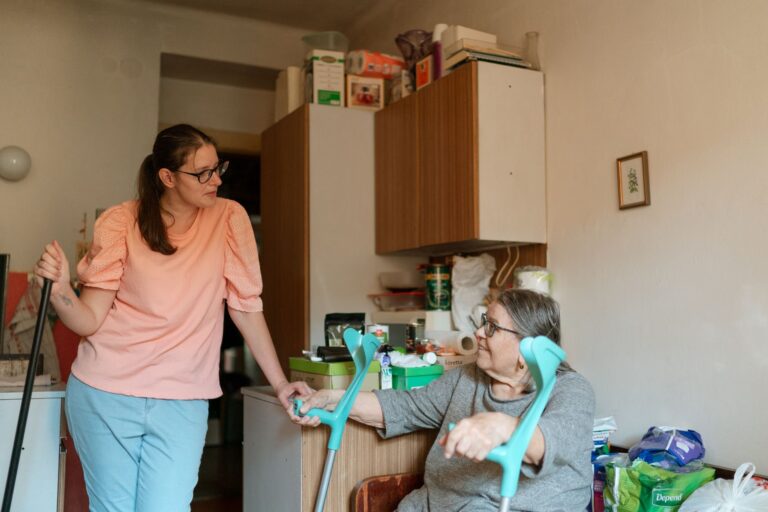
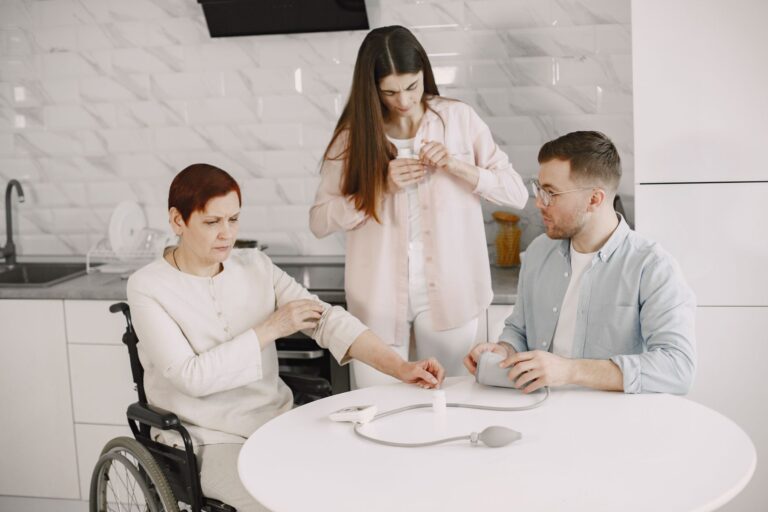
Older adults with osteoporosis need to avoid high-impact or twisting movements, which narrows the exercise selection but doesn’t eliminate effective options. Dementia patients and those with cognitive decline face specific adaptation challenges: they might forget instructions between sessions, struggle with body awareness, or need more repetition to build motor memory. A caregiver’s involvement becomes essential—not just for safety, but for consistency and encouragement. Modifying exercises to use visual cues, repetitive verbal guidance, or hand-over-hand assistance keeps the person engaged and progressing, even when traditional instructions don’t stick.
Long-Term Outcomes—What Results to Expect and How to Maintain Them
People who consistently perform spine rehabilitation exercises over 8-12 weeks typically experience significant improvements: reduced pain, better posture, improved ability to perform daily activities, and decreased risk of re-injury. The key word is “consistently”—research shows that sporadic effort produces minimal results. Someone who does exercises four times per week for eight weeks usually surpasses someone who exercises daily for two weeks then stops. However, maintenance is lifelong.
Your spine doesn’t “graduate” from rehabilitation; it needs ongoing care. Many people continue simplified versions of their rehabilitation exercises indefinitely—perhaps doing bird dogs and planks twice weekly rather than daily. Those who abandon all exercise after initial improvement frequently experience return of symptoms within 6-12 months. The realistic expectation is that spinal health, like dental health, requires ongoing attention. Building these exercises into your regular routine (like flossing teeth) is far easier than the intensive rehabilitation work required after a re-injury occurs.
Conclusion
The six foundational exercises in spine rehabilitation—pelvic tilts, cat-cow stretches, bird dogs, planks, dead bugs, and quadruped rocks—work because they restore the stability and mobility your spine needs to function without pain. They’re not quick fixes; they require consistent practice, proper form, and patience through gradual progression. What makes them effective is their cumulative effect: performed regularly, they teach your nervous system to protect your spine automatically, reducing your risk of chronic pain and re-injury.
If you’re considering spine rehabilitation, start with a professional assessment—either from a physical therapist or your physician—to determine which exercises match your specific condition. Don’t assume you can skip the professional guidance phase and jump straight to self-directed practice. Even a brief consultation can clarify which exercises apply to you, which ones to avoid, and how fast to progress. After that, consistent home practice becomes the foundation of long-term recovery and the prevention of future problems.
Frequently Asked Questions
How long before I see results from spine rehabilitation exercises?
Most people notice reduced pain and improved movement within 2-3 weeks of consistent daily practice. More significant strength gains typically emerge over 6-8 weeks. However, results vary based on the severity of your condition, your consistency with exercises, and whether you’re addressing underlying issues like posture or work-related strain.
Can I do these exercises if I have severe pain right now?
Severe acute pain usually requires professional guidance before starting a home program. A physical therapist can determine which exercises are safe for your current state and may recommend starting with simpler versions, heat/ice, or other pain management first. Attempting exercises during high-pain periods can reinforce pain patterns and slow recovery.
Are these exercises safe for older adults and people with dementia?
Yes, with appropriate modifications and supervision. All six exercises have simpler versions for people with reduced mobility, balance concerns, or strength limitations. For people with dementia, a caregiver’s involvement—both for safety and consistency—becomes more important, but the exercises themselves remain beneficial for maintaining mobility and independence.
Do I need equipment like a yoga mat or resistance bands?
No. All six exercises can be performed on a carpet, rug, or even a bed (for some versions). No resistance bands or gym equipment is necessary. A mat is comfortable but optional.
How often should I do these exercises—daily or can I take rest days?
Consistency matters more than perfection. Four to five days weekly with proper rest days is more sustainable than daily exercise that leads to burnout or re-injury. Research supports both daily gentle practice and less-frequent but more challenging sessions; choose the pattern you’ll actually maintain long-term.
What should I do if an exercise causes sharp pain instead of mild discomfort?
Stop immediately. Sharp pain signals tissue distress; gentle muscular discomfort during exercise is normal, but sharp or shooting pain is not. Reduce the intensity, try an easier variation, or skip that exercise and return to it after consulting with a therapist. Pushing through sharp pain delays recovery.