Chemical exfoliation removes dead skin cells and oil buildup that clog pores and lead to acne. Unlike physical scrubbing, which can irritate acne-prone skin and spread bacteria, chemical exfoliants work by dissolving the buildup on your skin’s surface and inside pores.
If you struggle with blackheads and whiteheads that seem to resurface constantly, chemical exfoliation can help break that cycle by keeping pores clear and allowing acne medications to penetrate more effectively into the skin. This article explains how chemical exfoliation works for acne, which types of acids are most effective, how often you should use them, and the critical mistakes that can actually worsen your skin. We’ll also cover how chemical exfoliation fits into a broader acne treatment plan—because while it’s a powerful tool, it’s not a standalone solution.
Table of Contents
- What Is Chemical Exfoliation and How Does It Work for Acne?
- Types of Chemical Exfoliants: BHAs and AHAs for Different Acne Needs
- How Often Should You Use Chemical Exfoliants for Acne?
- Building an Effective Chemical Exfoliation Routine
- The Risk of Over-Exfoliation and Barrier Damage
- Can Chemical Exfoliation Help with Acne Scars?
- Combining Chemical Exfoliation with Other Acne Treatments
- Conclusion
What Is Chemical Exfoliation and How Does It Work for Acne?
Chemical exfoliation dissolves the bonds between dead skin cells rather than physically scrubbing them away. This approach is gentler on inflamed acne-prone skin while being more effective at reaching inside pores where acne bacteria and sebum accumulate. When dead skin cells and oil build up inside a pore, they create the perfect environment for bacteria to multiply, leading to the inflammatory acne lesions that are painful and difficult to treat with topical medications alone.
The advantage of chemical exfoliation is that it enhances the absorption of acne medications into the skin. Once you’ve cleared away the buildup blocking pores, treatments like benzoyl peroxide and salicylic acid can reach the bacteria and inflammation underneath. This is why dermatologists often recommend chemical exfoliation as part of a comprehensive acne routine rather than as a quick fix on its own.
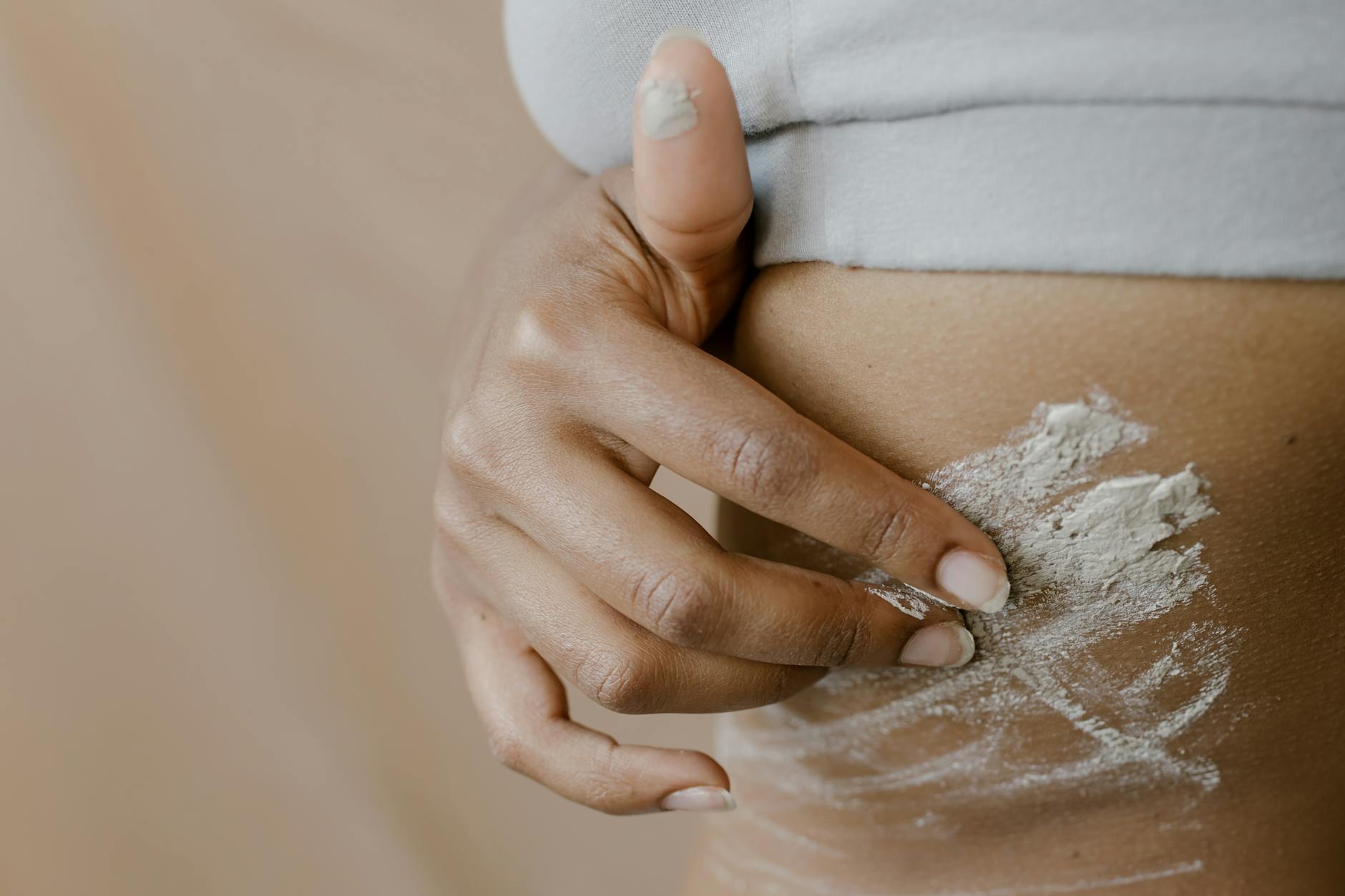
Types of Chemical Exfoliants: BHAs and AHAs for Different Acne Needs
The two main categories of chemical exfoliants are beta-hydroxy acids (BHAs) and alpha-hydroxy acids (AHAs), and they work differently. BHAs like salicylic acid are oil-soluble, meaning they dissolve into sebum and penetrate deep into pores to clear bacteria and excess oil—this is why the American Academy of Dermatology specifically recommends salicylic acid for unclogging pores and treating acne. Salicylic acid also has anti-inflammatory properties that can reduce the redness and swelling of existing breakouts.
AHAs like glycolic acid and lactic acid are water-soluble and work primarily on the skin’s surface, helping with texture and overall skin tone. Glycolic acid has the smallest molecular weight of all AHAs, which allows it to penetrate effectively. However, if your acne is primarily driven by clogged pores and excess oil—as is common in oily and combination skin—a BHA like salicylic acid will typically be more effective than an AHA. AHAs are better suited for treating acne-related texture issues or when you have both acne and concerns about dryness or sensitivity.
How Often Should You Use Chemical Exfoliants for Acne?
The recommended frequency depends on your skin type and tolerance. Most acne-prone skin benefits from chemical exfoliation 2 to 3 times per week, which is frequent enough to keep pores clear without disrupting your skin barrier. If you have oily or particularly acne-prone skin, you can gradually work up to 3 to 4 times per week, but daily use is not recommended and can actually damage your skin’s protective barrier.
This is an important distinction: more frequent exfoliation does not mean better acne control. In fact, over-exfoliation is one of the most common mistakes people make. Stripping your skin too frequently leaves it vulnerable, dry, and inflamed—conditions that can paradoxically trigger more acne as your skin tries to compensate by producing excess oil. If you’re using other active acne treatments like retinoids or benzoyl peroxide, you should be especially careful about exfoliation frequency and avoid combining these treatments without spacing them out carefully to prevent over-drying and sensitization.
Building an Effective Chemical Exfoliation Routine
Starting slowly is key when introducing chemical exfoliants to your routine. If you’re new to exfoliation, begin with 2 times per week and observe how your skin responds over 2 to 3 weeks before increasing frequency. Use a lower concentration of acid initially—many products come in different strengths—and gradually increase as your skin builds tolerance.
Pay attention to how your skin feels and looks. Signs that you’re exfoliating too frequently include increased redness, dryness, flaking, or a compromised barrier that feels tight or sensitive to other products. If this happens, dial back to once per week until your skin recovers. The goal is consistent, manageable exfoliation that keeps your pores clear without creating new inflammation.
The Risk of Over-Exfoliation and Barrier Damage
Over-exfoliation is a hidden cause of acne that many people don’t realize they’re creating themselves. When you strip away too many dead skin cells and damage the skin barrier, your skin becomes inflamed and vulnerable to bacteria. This inflammation can trigger new breakouts or make existing acne worse, which can then tempt you to exfoliate even more frequently—creating a harmful cycle.
If you’ve been exfoliating aggressively and notice your acne worsening rather than improving, or if your skin feels tight, looks irritated, or is peeling excessively, stop exfoliation temporarily and focus on hydration and barrier repair. Once your skin has recovered, reintroduce chemical exfoliation at a much lower frequency. Chemical exfoliation is most effective when your skin barrier is healthy and intact, so protecting it is just as important as using the exfoliant itself.
Can Chemical Exfoliation Help with Acne Scars?
Beyond treating active acne, chemical exfoliation can help fade acne scars and prevent the formation of new blemishes by keeping pores clear and reducing inflammation. The regular removal of dead skin cells helps improve skin texture and tone, which makes scarring less noticeable. Some people see gradual improvement in shallow scars with consistent chemical exfoliation over several months.
However, if you have deep or severe acne scarring, chemical exfoliation alone won’t be enough. For significant scarring, you may need professional treatments like laser therapy or microneedling in addition to a good chemical exfoliation routine. Chemical exfoliation is best viewed as a preventive and maintenance tool—it stops new acne from forming and improves the skin’s ability to heal, but it’s not a treatment for existing deep scars.
Combining Chemical Exfoliation with Other Acne Treatments
Chemical exfoliation enhances the effectiveness of other acne therapies, but only when used thoughtfully. Because chemical exfoliants increase skin sensitivity and can be drying, they need to be spaced out carefully with other active treatments. If you’re using benzoyl peroxide or retinoids—both common acne treatments—don’t use them on the same nights you’re exfoliating.
A good approach is to exfoliate on Monday, Wednesday, and Friday, and use other actives on Tuesday, Thursday, and Saturday, with Sunday as a rest day for your skin barrier. It’s important to remember that chemical exfoliation is not a standalone acne treatment. It works best as one part of a comprehensive approach that includes cleansing, targeted acne medications, and a good moisturizer to protect your barrier. Your dermatologist can help you coordinate exfoliation with other treatments to avoid over-irritating your skin while still keeping your pores clear.
Conclusion
Chemical exfoliation is an effective way to prevent the clogged pores that lead to acne, and it makes acne medications work better by allowing them to penetrate deeper into the skin. By choosing the right type of acid for your skin (BHAs for oil and congestion, AHAs for texture), using it at the appropriate frequency (2 to 4 times per week), and avoiding the trap of over-exfoliation, you can maintain clearer skin without damaging your barrier.
The key is consistency and restraint. Your goal is not to strip your skin as much as possible, but to keep it clear and healthy over time. If you’re struggling with persistent acne, chemical exfoliation is a worthwhile addition to your routine—but work with a dermatologist to make sure it’s coordinated with any other acne treatments you’re using, and be willing to adjust based on how your skin responds.