
Yes, dairy can trigger or worsen acne for many people, though not everyone. Research from a meta-analysis spanning 78,529 children, adolescents, and young adults found that dairy consumption increased the odds of developing acne by 25 percent. The effect is strongest with skim or low-fat milk, which showed a 32 percent increased odds ratio—stronger than whole milk at 22 percent. If you’ve noticed breakouts worsening after drinking milk or eating dairy-heavy foods, you’re experiencing something real that dermatologists now recognize and study.
This article explains what the science shows about this dairy-acne connection, which dairy products matter most, why it happens in the body, and what practical options exist for people trying to manage breakouts through dietary changes. The dairy-acne link isn’t universal—some people can consume dairy without any skin effects, while others see clear breakouts within days. This variation depends on genetics, hormones, age, and individual biology. Understanding how dairy affects your specific skin requires knowing both the general mechanisms and your own body’s responses.
Table of Contents
- What Does the Research Actually Show About Dairy and Acne?
- How Dairy Triggers Breakouts—The Biological Mechanism
- Which Dairy Products Matter Most—Milk vs. Yogurt vs. Cheese
- Practical Steps for Managing Acne Through Dairy Choices
- Why Results Vary: Individual Differences in Dairy Sensitivity
- Non-Dairy Milk Alternatives and Their Heterogeneity
- Future Directions and Emerging Research
- Conclusion
What Does the Research Actually Show About Dairy and Acne?
A systematic review and meta-analysis published in the journal Clinical Nutrition examined 14 peer-reviewed studies involving over 78,000 people and found consistent associations between dairy intake and acne development. Any dairy consumption carried a 25 percent increased odds ratio for acne, while milk consumption specifically showed a 28 percent increase. These numbers represent real correlations observed across diverse populations—not speculation or anecdotal reports. The research was rigorous enough to be published in indexed medical databases and cited by dermatologists in clinical practice. However, “increased odds ratio” needs interpretation.
A 28 percent increased odds ratio doesn’t mean dairy causes acne in 28 percent of people. It means that among people who consume milk, the statistical likelihood of having acne is 28 percent higher than among those who don’t. For someone with zero genetic predisposition to acne, this increase might mean nothing. For someone whose skin is already prone to breakouts, this increase could be the difference between clear skin and persistent acne. This is why dermatologists now ask patients about dairy consumption during skin evaluations—the evidence is strong enough to matter clinically, but individual responses vary widely.
How Dairy Triggers Breakouts—The Biological Mechanism
The connection works through insulin and growth hormones. Milk consumption raises IGF-1 (Insulin-Like Growth Factor 1) levels in the blood, especially in adolescents and young adults. When you drink milk, your body experiences a postprandial insulin surge—a spike in insulin levels after eating—and this triggers increased IGF-1 production. Both casein and whey proteins in milk contribute to this effect. IGF-1 then activates the mTOR pathway, which increases sebaceous gland activity and leads to increased sebum production.
More sebum means clogged pores, which create the environment where acne bacteria flourish. This mechanism explains why the effect is hormonal and metabolic rather than simply allergic. You’re not necessarily reacting to an allergen; instead, milk is chemically signaling your body to produce more oil in skin glands. This is why some people see breakouts days after consuming dairy—the biological cascade takes time to fully develop. However, if you have low IGF-1 sensitivity or naturally low baseline sebaceous activity, the same amount of dairy might produce no visible acne. Age matters too: this IGF-1 surge effect is strongest during adolescence and young adulthood, which is why many people notice the dairy-acne connection most acutely as teenagers and young adults.
Which Dairy Products Matter Most—Milk vs. Yogurt vs. Cheese
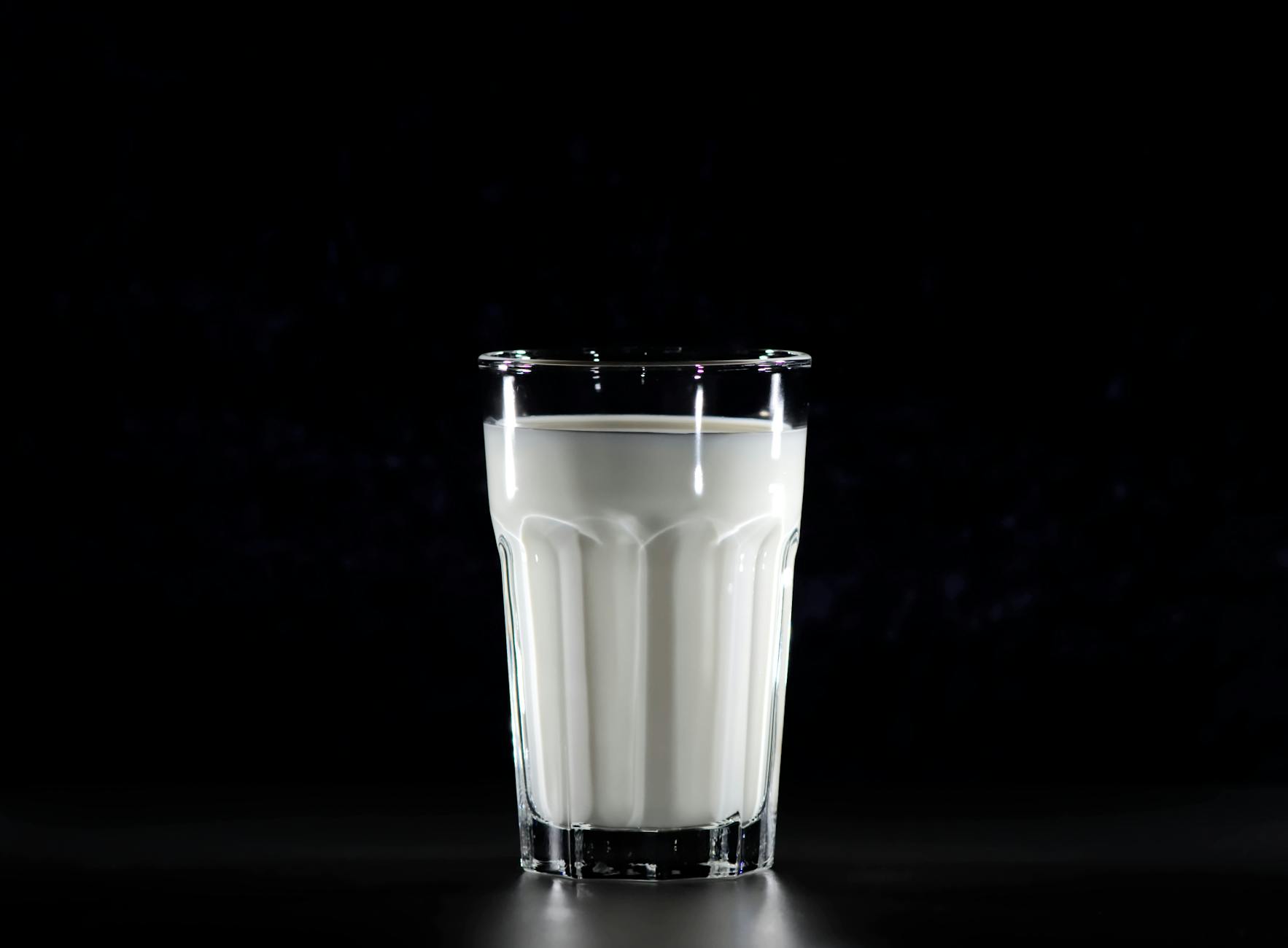
Not all dairy affects acne equally. Skim and low-fat milk show the strongest association with acne, with skim milk showing a 32 percent increased odds ratio compared to whole milk’s 22 percent. This counterintuitive finding puzzles many people—you might expect whole milk with more fat to be worse. The likely explanation is that skim milk has higher casein and whey protein concentrations per serving, since the fat has been removed. More protein per volume means more IGF-1 stimulation.
Yogurt and cheese, despite being dairy products, show no significant association with acne development in the research. This is a critical distinction. People who need to avoid acne-triggering dairy can often tolerate yogurt and cheese because the fermentation process in yogurt and the aging process in cheese appear to alter how the proteins interact with your body’s hormone system. If you’re managing acne and thinking you must eliminate all dairy, you might actually be able to keep yogurt and cheese in your diet while cutting out milk. This matters for nutrition and quality of life—losing all dairy sources removes important calcium and protein, while selectively eliminating milk while keeping yogurt and cheese provides flexibility.
Practical Steps for Managing Acne Through Dairy Choices
If you suspect dairy is worsening your acne, the most direct approach is elimination and monitoring. Stop consuming milk for 4 to 6 weeks—long enough for hormonal effects to fully clear from your system and for your skin to potentially improve. Keep a simple log: track milk intake and photograph your skin every few days to identify patterns. If your acne improves noticeably, you’ve identified dairy as a trigger for your body. If nothing changes, dairy probably isn’t your primary acne driver, and you can reintroduce it without guilt.
When eliminating milk, you don’t have to abandon all dairy. Since yogurt and cheese appear safe based on research, you can use these as primary dairy sources while using non-dairy milk alternatives in coffee, cereal, or cooking. A practical swap: replace cow’s milk with unsweetened almond milk or oat milk in your coffee, but keep Greek yogurt as a protein source and cheddar on your sandwich. This approach maintains nutritional diversity while removing the specific milk proteins implicated in IGF-1 surges. The trade-off is taste—many people find cow’s milk more satisfying than alternatives—but for skin clarity, it’s often worth the adjustment.
Why Results Vary: Individual Differences in Dairy Sensitivity
The research shows clear population-level associations, but with an important caveat: dairy triggers or worsens acne for some people and not others. A person with a genetic predisposition to acne and high sebaceous gland activity might experience severe breakouts within days of consuming milk, while their sibling with the same genetics might see no effect. Sex matters—some research suggests hormonal differences between men and women affect dairy sensitivity, though results aren’t conclusive. Ethnicity and cultural dietary habits also play roles; some populations have higher baseline dairy consumption and may have adapted differently to its effects.
The practical implication is that general guidelines don’t apply universally. A dermatologist might recommend limiting dairy to a patient with persistent acne, but that same recommendation wouldn’t help someone whose acne stems from hormonal contraceptive use or genetic factors unrelated to diet. This is why personal experimentation—the elimination and monitoring approach—matters more than following a generic dairy-free diet. You’re looking for your individual trigger, not adopting a one-size-fits-all restriction.

Non-Dairy Milk Alternatives and Their Heterogeneity
If you eliminate milk, what replaces it? A 2025-2026 narrative review in the Journal of Integrative Dermatology noted that non-dairy milk alternatives are “highly heterogeneous”—they vary widely in composition, processing, and potential skin effects. Almond milk, oat milk, soy milk, coconut milk, and hemp milk are chemically and nutritionally distinct. Some contain added sugars, which can independently trigger acne. Others contain oils or emulsifiers that might irritate skin in certain individuals. The review recommended that milk substitutions should be individualized rather than assuming all non-dairy alternatives are equivalent.
This means swapping cow’s milk for sweetened vanilla oat milk might not help if the added sugars drive your acne. Try unsweetened varieties first. Similarly, soy milk contains phytoestrogens that could theoretically affect hormonal acne in some people, making it potentially unsuitable despite being non-dairy. The research doesn’t condemn non-dairy alternatives—it simply notes they’re not a monolithic category. Your best approach is to choose unsweetened, minimally processed options and monitor your skin response just as you would when eliminating dairy.
Future Directions and Emerging Research
Dermatology is moving toward personalized approaches to diet and skin health, moving away from blanket restrictions. The current evidence base, while strong enough to recommend testing dairy elimination in acne patients, isn’t comprehensive enough to predict who will respond. Future research needs randomized controlled trials comparing dairy-free periods to normal consumption in people with acne, stratified by genetics, age, sex, and baseline IGF-1 levels.
Such studies could identify biomarkers predicting who truly needs to avoid dairy versus who can consume it without skin consequences. Additionally, research into specific milk proteins and their effects on sebaceous glands might lead to targeted interventions—perhaps specific casein or whey-blocking supplements, or dairy products engineered to reduce acne-triggering proteins. For now, the practical wisdom is to test your individual response rather than assuming dairy will or won’t affect your skin based on generalizations. The science shows dairy can trigger acne, but it doesn’t trigger it uniformly or universally.
Conclusion
The dairy-acne connection is real and backed by large-scale research, but it’s not a universal rule. Any dairy consumption increases acne odds by 25 percent on average, with milk—especially skim milk—showing the strongest associations. The mechanism is hormonal: milk raises IGF-1 levels, which stimulates sebaceous glands and leads to increased skin oil. However, not everyone experiences this effect, and interestingly, yogurt and cheese show no significant association despite being dairy products, likely because fermentation and aging alter their protein profiles.
If acne is a concern, test your individual response by eliminating milk for 4 to 6 weeks while keeping yogurt and cheese, then monitor your skin carefully. This personal experiment will tell you far more than general recommendations ever could. If your breakouts improve, you’ve found a dietary lever for skin health. If nothing changes, you can reintroduce milk without guilt and focus on other acne drivers—hormone levels, skincare routines, or stress. Either way, you’ll have clarity based on your own biology rather than guessing.




