More women sits at the center of this dementia and brain health question.
More women are walking away from hormonal birth control, and the numbers confirm what gynecologists have been sensing in their exam rooms for years. CDC data shows oral contraceptive pill usage dropped from 14.0 percent among women ages 15 to 49 during 2017–2019 to just 11.4 percent in 2022–2023, a significant 2.6 percentage point decline in roughly four to five years. The pill, once the undisputed default for pregnancy prevention, now sits in second place behind female sterilization at 12 percent, with IUDs and implants close behind at 11 percent. The shift is being driven by a collision of legitimate side effect concerns, social media misinformation, political pressures, and a growing cultural preference for what many call “natural” living. For a site focused on brain health and dementia care, this trend matters more than it might seem at first glance.
Hormonal contraceptives have documented effects on mood, cognition, and neurological function, and the conversation about what women put into their bodies intersects directly with long-term brain health. This article examines the data behind the decline, the role social media plays in shaping perceptions, the real versus exaggerated risks of hormonal methods, the effectiveness gap between hormonal and natural alternatives, and why the political environment is making contraceptive choices more consequential than ever. The stakes are particularly high right now. With abortion banned or restricted in nearly half of U.S. states following the Dobbs decision, switching from a method with less than 1 percent failure rate to one with a 24 percent typical-use failure rate is not just a lifestyle choice. It is a decision with serious downstream consequences for women’s health, autonomy, and family planning.
Table of Contents
- What Is Actually Driving Women Off Hormonal Birth Control in 2025?
- How Social Media Misinformation Is Reshaping Contraceptive Decisions
- The Rise of Fertility Awareness Methods and What the Data Actually Shows
- Weighing the Real Tradeoffs Between Hormonal and Non-Hormonal Methods
- The Political Dimension Women Cannot Afford to Ignore
- What This Means for Brain Health and Cognitive Wellness
- Where This Trend Is Headed
- Conclusion
- Frequently Asked Questions
What Is Actually Driving Women Off Hormonal Birth Control in 2025?
The simplest answer is that women are fed up with side effects, and they finally feel permission to say so. According to the 2024 KFF Women’s Health Survey, conducted among 6,246 adults ages 18 to 64, one in five women who do not use birth control cite worrying about or disliking side effects as a reason. Among women who say they would prefer a long-acting or hormonal method but do not use one, 40 percent point to concern about side effects as the barrier. These are not fringe complaints. Mood changes, weight gain, nausea, decreased libido, and depression are commonly reported, and for decades many women felt their doctors minimized or dismissed these experiences. That dismissal created a trust vacuum, and social media rushed to fill it. Physicians now report seeing a wave of patients quitting hormonal birth control in favor of “natural” options, often citing information they encountered on TikTok or YouTube rather than in a clinical conversation.
Doctors worry, and rightly so, that the medical profession’s historical lack of transparency about rare but serious side effects has pushed patients toward unqualified online sources. When a woman tells her doctor that the pill made her depressed and her doctor responds by suggesting she try a different pill, it is not surprising that she starts looking elsewhere for answers. However, it is critical to distinguish between women who stop hormonal birth control because they have personally experienced intolerable side effects and women who stop because they watched a viral video that frightened them. Both groups are growing, but they need very different responses. The first group deserves better clinical listening and more contraceptive options. The second group deserves accurate information, not algorithmic fearmongering.

How Social Media Misinformation Is Reshaping Contraceptive Decisions
The scale of birth control misinformation online is staggering. A 2024 study found that nearly half of TikTok posts about birth control discouraged women from taking it. Roughly 75 percent of YouTube influencers and 49 percent of TikTok influencers who discuss birth control talked about discontinuing hormonal methods. Only 10 percent of TikTok contraception content was created by medical professionals, and researchers concluded these videos showed poor reliability and quality. The algorithm does not distinguish between a board-certified OB-GYN explaining nuanced risk data and a wellness influencer describing her personal hormone “detox” journey. Both get served to the same audience, and the influencer’s content is almost always more emotionally compelling. A tearful story about how the pill “stole five years of my life” will outperform a measured clinical explanation every time. this is not because women are gullible.
It is because the human brain is wired to respond to narrative and emotion, which is something anyone in the dementia and neuroscience space understands well. The same cognitive biases that make us overestimate rare dramatic risks and underestimate common mundane ones apply to how we process health information on social media. The limitation here is important to name. Social media is not entirely wrong about birth control side effects. Hormonal contraceptives do cause mood changes in some women. Some women do experience depression or anxiety that resolves when they stop the pill. The problem is not that these stories exist but that they are presented without context, without prevalence data, and without comparison to the risks of the alternatives. A woman who quits the pill because of a TikTok video and switches to a fertility tracking app with an 8 to 9 percent failure rate has made a decision based on incomplete information, and in a post-Dobbs landscape, the consequences of an unintended pregnancy are far more severe than they were five years ago.
The Rise of Fertility Awareness Methods and What the Data Actually Shows
Fertility awareness-based methods have been gaining ground steadily, with usage increasing by an average of 3 to 4 percent annually since the 1970s, a trend accelerated dramatically by smartphone tracking apps. Apps like Natural Cycles, Flo, and Clue have made cycle tracking feel modern and tech-forward rather than old-fashioned and unreliable. For many women, especially those interested in understanding their bodies and reducing synthetic hormone exposure, these tools feel empowering. The effectiveness gap, however, is not a minor footnote. Fertility awareness-based methods are approximately 76 percent effective in typical use, meaning 24 out of 100 users get pregnant per year. Compare that to hormonal methods, which have less than a 1 percent failure rate when used correctly.
Even the best fertility tracking apps show an 8 to 9 percent failure rate in study conditions, which are likely better than real-world use where women may skip temperature readings, have irregular schedules, or misinterpret their fertile window. For a 22-year-old who would be inconvenienced but not devastated by an unplanned pregnancy, that tradeoff might be acceptable. For a 38-year-old managing a chronic health condition, the calculus is different. This is especially relevant for women with a family history of dementia or other neurological conditions who are thinking carefully about every health decision. Unplanned pregnancies carry their own neurological and psychological toll, including stress, disrupted sleep, and in some cases postpartum depression, all of which have documented effects on long-term brain health. The choice to go off hormonal birth control should be an informed one, not a reaction to a trending hashtag.
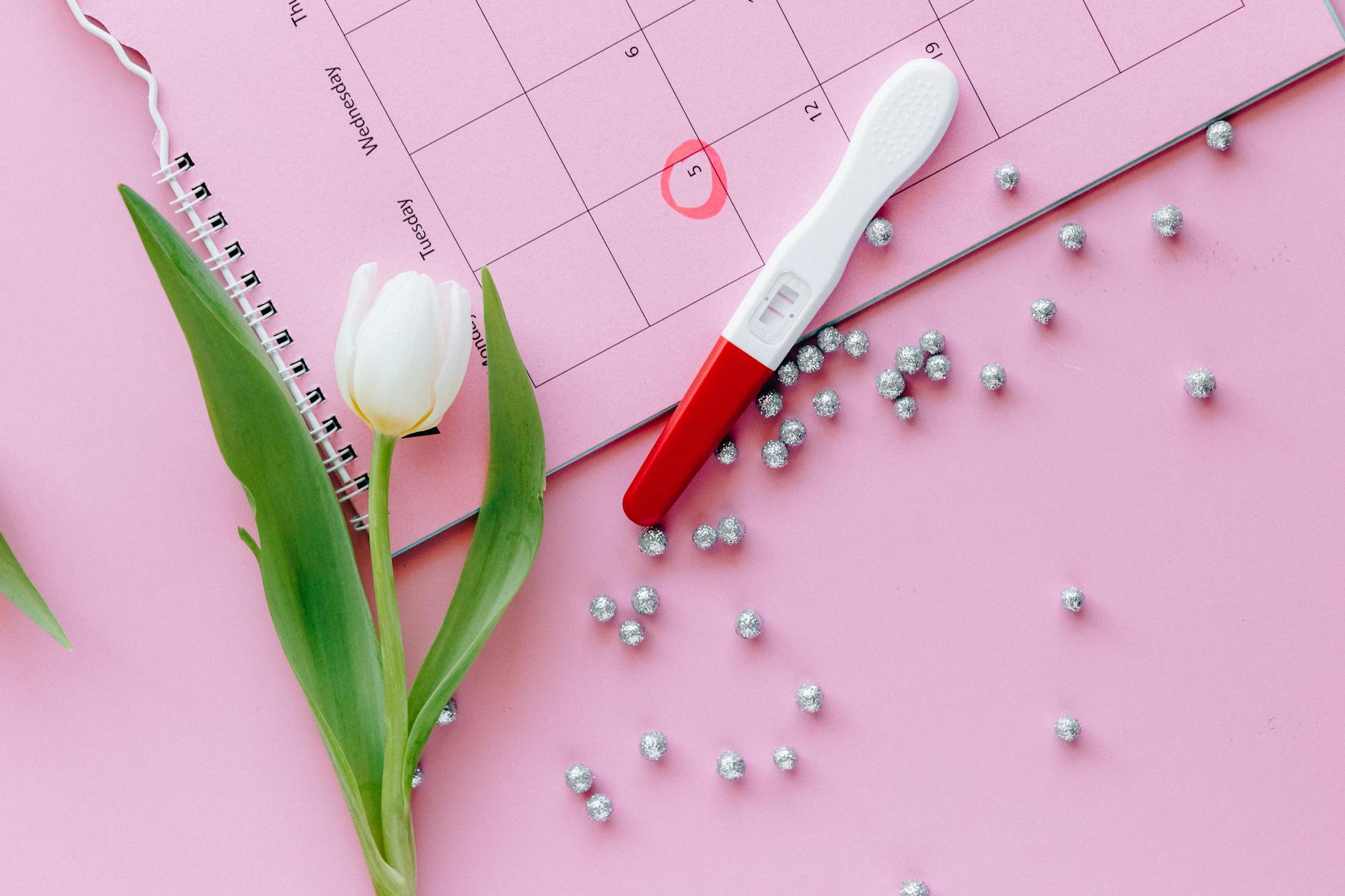
Weighing the Real Tradeoffs Between Hormonal and Non-Hormonal Methods
OB-GYNs emphasize that decades of research confirm hormonal birth control is safe and effective, and that the most extreme stories shared online represent the rarest cases. This does not mean side effects are not real. It means that for the vast majority of users, the benefits of reliable pregnancy prevention outweigh the risks of mood changes or other symptoms, particularly when multiple formulations exist and a provider can help find the right fit. The tradeoff conversation should include the non-contraceptive benefits that many women lose when they quit hormonal methods. The pill reduces the risk of ovarian and endometrial cancer. It manages endometriosis, PCOS symptoms, and severe menstrual pain.
Some formulations improve acne and reduce hormonal migraines. Women who stop hormonal birth control may find that the symptoms it was managing come roaring back, sometimes worse than they remember, because the pill was masking an underlying condition rather than treating it. On the other side, women who switch to non-hormonal methods and feel dramatically better are not imagining things. Some women are genuinely sensitive to synthetic hormones in ways that current medicine does not fully understand or adequately screen for. The honest answer is that contraception is not one-size-fits-all, and the best method is the one a woman uses consistently, with full understanding of its effectiveness and limitations. A copper IUD, for instance, offers hormone-free contraception with an effectiveness rate comparable to hormonal methods, yet it rarely enters the social media conversation about going “natural.”.
The Political Dimension Women Cannot Afford to Ignore
Project 2025 called for increased focus on fertility awareness-based methods in the Title X federal family planning program, adding a political layer to what many women experience as a purely personal health decision. When government policy begins to favor less effective contraceptive methods over more effective ones, the consequences fall disproportionately on women with the fewest resources, those who rely on Title X-funded clinics for their reproductive care. With abortion banned or restricted in nearly half of U.S. states, the margin for error with contraception has shrunk considerably. A woman using a fertility awareness method in Texas who experiences a method failure faces a fundamentally different situation than the same woman would have faced in 2019.
Doctors are right to worry that the convergence of social media misinformation, political pressure, and cultural trends is pushing women toward less effective methods at precisely the moment when unintended pregnancy carries the highest consequences. This is not a theoretical concern. It is happening now, and the women most affected are often the least likely to have access to comprehensive, unbiased medical counseling. Right-wing influencers promoting higher birth rates and spreading birth control misinformation add another dimension. When the push to go “natural” is driven not by individual health needs but by a political agenda wrapped in wellness language, women deserve to know who is behind the messaging and what they stand to gain from it.
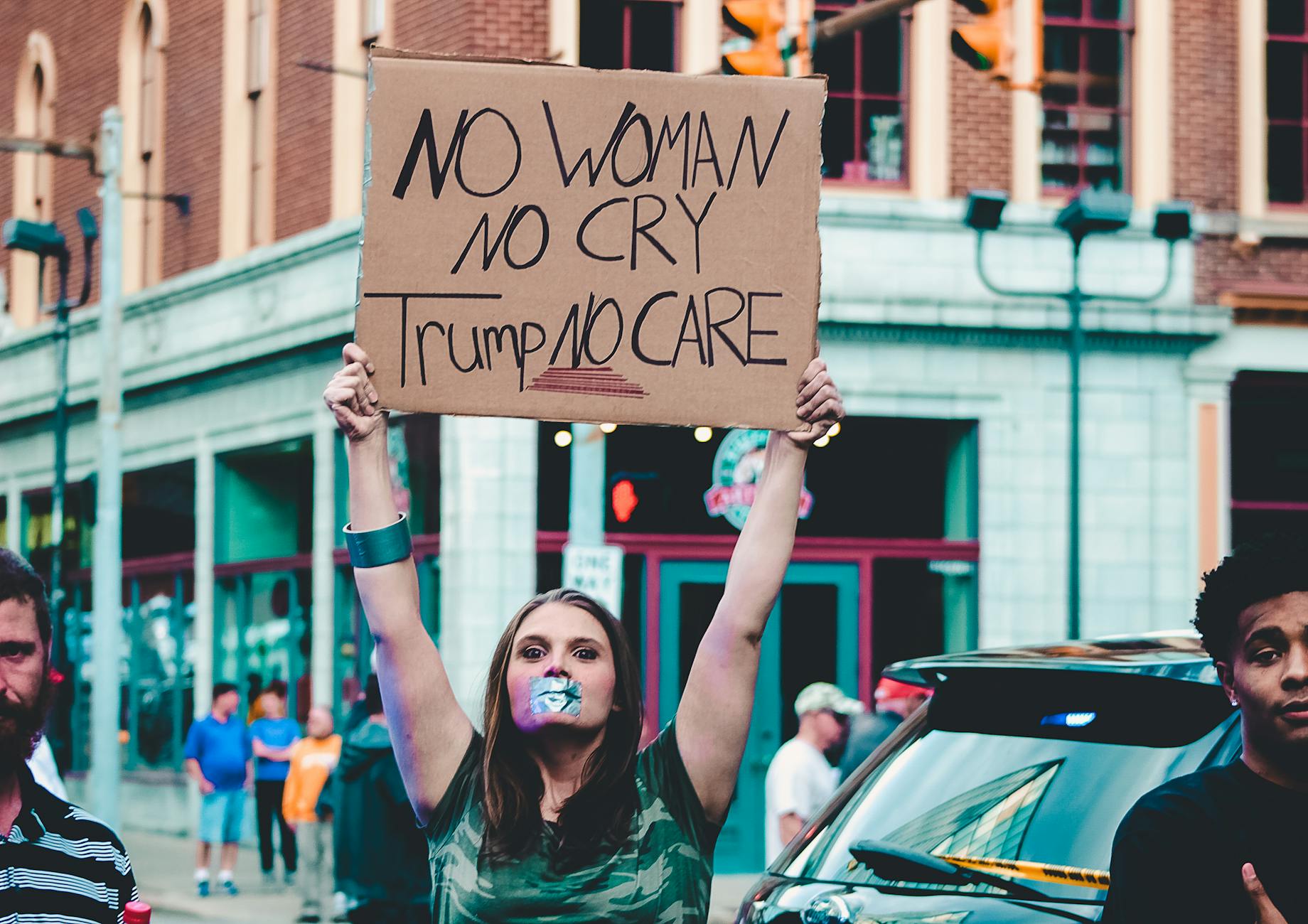
What This Means for Brain Health and Cognitive Wellness
The connection between hormonal contraception and brain health is an area of active research and genuine scientific uncertainty. Some studies suggest that hormonal birth control may affect memory, emotional processing, and stress response, findings that are particularly relevant for women concerned about long-term cognitive function. Other research indicates that estrogen, including the synthetic estrogen in many pills, may have neuroprotective effects.
The science is not settled, and anyone claiming definitive answers is outpacing the evidence. For women with a family history of Alzheimer’s or other forms of dementia, the decision about hormonal birth control should involve a conversation with a healthcare provider who understands both reproductive health and neurological risk. Stopping the pill based on a social media trend without considering the full picture, including the cognitive effects of chronic stress, sleep disruption from an unplanned pregnancy, or the neurological impact of untreated conditions like endometriosis, is not the brain-protective move it might appear to be.
Where This Trend Is Headed
The decline in hormonal birth control use is unlikely to reverse quickly. The cultural momentum behind “clean” living, body autonomy, and skepticism of pharmaceutical interventions is strong and cuts across political lines. What may change is how the medical profession responds.
Younger OB-GYNs are increasingly trained to take side effect complaints seriously, to offer a wider range of options including non-hormonal methods, and to meet patients where they are rather than dismissing their concerns. The best possible outcome is a future where women make contraceptive decisions based on accurate information, honest conversations with their doctors, and a clear understanding of their own risk tolerance, not based on TikTok algorithms or political agendas. We are not there yet, but the conversation is at least moving in a more honest direction.
Conclusion
The trend away from hormonal birth control is real, measurable, and driven by a complicated mix of legitimate grievances and dangerous misinformation. CDC data confirms the decline, the KFF survey quantifies the side effect concerns, and the research on social media’s role leaves little room for doubt that online platforms are shaping reproductive health decisions in ways that often lack scientific rigor. Women deserve better than being told to just trust the pill, but they also deserve better than being scared off effective contraception by viral anecdotes and political agendas.
For anyone reading this through the lens of brain health and dementia prevention, the takeaway is nuanced. Hormonal contraception’s effects on the brain are real but not fully understood, and the decision to use or discontinue these methods should be individualized, evidence-based, and made in partnership with a knowledgeable healthcare provider. The most dangerous thing a woman can do is make a major health decision based on a 60-second video from someone with no medical training. The most empowering thing she can do is demand honest, transparent information and make the choice that is right for her body and her brain.
Frequently Asked Questions
Are hormonal birth control side effects real, or is it just social media hype?
Side effects are real and well-documented. The 2024 KFF survey found that 40 percent of women who prefer but do not use hormonal methods cite side effect concerns. Common complaints include mood changes, weight gain, decreased libido, and depression. However, the most severe stories circulating on social media represent the rarest outcomes, and the vast majority of women tolerate hormonal methods without serious problems.
How effective are fertility awareness apps compared to the pill?
There is a significant effectiveness gap. Hormonal birth control has less than a 1 percent failure rate when used correctly. Fertility awareness-based methods are about 76 percent effective in typical use, meaning 24 out of 100 users get pregnant each year. Even the best fertility tracking apps showed an 8 to 9 percent failure rate in studies. This difference matters enormously, especially in states with restricted abortion access.
Can hormonal birth control affect brain health or dementia risk?
Research is ongoing and inconclusive. Some studies suggest hormonal contraceptives may affect memory and emotional processing, while others indicate estrogen could have neuroprotective effects. Women with a family history of dementia should discuss contraceptive choices with a provider who understands both reproductive and neurological health. No definitive link between hormonal birth control and dementia risk has been established.
Is it safe to just stop taking the pill without talking to a doctor?
While stopping the pill is not physically dangerous, it can have consequences women should anticipate. Conditions the pill was managing, such as endometriosis, PCOS, severe acne, or painful periods, may return. Fertility can resume almost immediately, so having an alternative contraceptive plan is essential. A conversation with a healthcare provider helps ensure the transition is safe and informed.
Why are doctors concerned about this trend now specifically?
The timing is what worries physicians most. With abortion banned or restricted in nearly half of U.S. states following the Dobbs decision, an unintended pregnancy from a less effective method carries far greater consequences than it did previously. Doctors are also concerned that only 10 percent of contraception content on TikTok comes from medical professionals, meaning most women are getting information from unqualified sources.
You Might Also Like
- The Birth Control That Kills Libido — And Why Doctors Rarely Warn You
- Immunotherapy vs. Chemotherapy: How Oncologists Are Deciding in 2025
- This Birth Control Side Effect Is Causing Women to Stop Taking It
For more, see NIH MedlinePlus — cognitive testing.