When gynecologists choose birth control for themselves, they overwhelmingly pick the IUD — and it is not particularly close. Research shows that 42 percent of female women’s health providers between ages 25 and 44 use a long-acting reversible contraceptive like an IUD or implant, compared to just 12 percent of women in the general population. That means the doctors who spend their careers counseling patients on contraception are roughly 3.5 times more likely than average women to choose an IUD for their own use. Among OB/GYN residents specifically, about 50 percent use IUDs, a rate more than four times higher than the national average.
This gap between what doctors choose and what most patients use tells us something important. It is not that gynecologists know a secret — the data on IUD effectiveness and convenience is publicly available. It is that they understand, from daily clinical experience, how the small hassles of pill-taking translate into real-world failure rates. For a website focused on brain health and dementia care, this topic matters more than you might expect: hormonal decisions affect cognition, mood, and long-term neurological health, and caregivers managing complex medication regimens for loved ones know firsthand how difficult daily pill adherence can be. This article breaks down the IUD-versus-pill debate using the same evidence gynecologists rely on, including effectiveness data, cost comparisons, the post-Dobbs surge in long-acting contraception, and the specific scenarios where the pill still makes more sense.
Table of Contents
- Why Do Gynecologists Personally Choose IUDs Over the Pill?
- How Effective Are IUDs Compared to Birth Control Pills in Real Life?
- What Types of IUDs Are Available and How Long Do They Last?
- How Do IUD and Pill Costs Compare in 2026?
- How Has the Dobbs Decision Changed Contraceptive Choices?
- When Is the Pill Actually the Better Choice?
- What Does the Future of Contraception Look Like?
- Conclusion
- Frequently Asked Questions
Why Do Gynecologists Personally Choose IUDs Over the Pill?
The core reason is effectiveness without effort. IUDs are over 99 percent effective with both perfect and typical use, because once the device is placed, there is nothing for the user to remember, refill, or schedule. birth control pills are also over 99 percent effective in theory — but only when taken at the same time every single day without fail. In typical real-world use, pills drop to about 91 percent effectiveness, meaning roughly 9 out of 100 women on the pill will become pregnant in a given year. Gynecologists see the consequences of that gap constantly in their practices, and they choose accordingly. There is a useful parallel here for anyone in the dementia care world.
Caregivers and clinicians who work with cognitive decline understand that any medication requiring daily compliance introduces risk. A person juggling appointments, work, stress, and the mental load of caregiving — or dealing with early cognitive changes themselves — is exactly the kind of person who benefits from a set-it-and-forget-it medical intervention. Gynecologists apply this same logic to their own lives. They are busy professionals who do not want to add one more daily task to their routine when a more reliable alternative exists. The preference is not subtle. A study published in the journal Contraception found that roughly half of OB/GYN residents, or the female partners of male residents, rely on IUDs. These are physicians in the most demanding years of their training, working 60 to 80 hours per week, and they are choosing the method that requires zero daily maintenance.
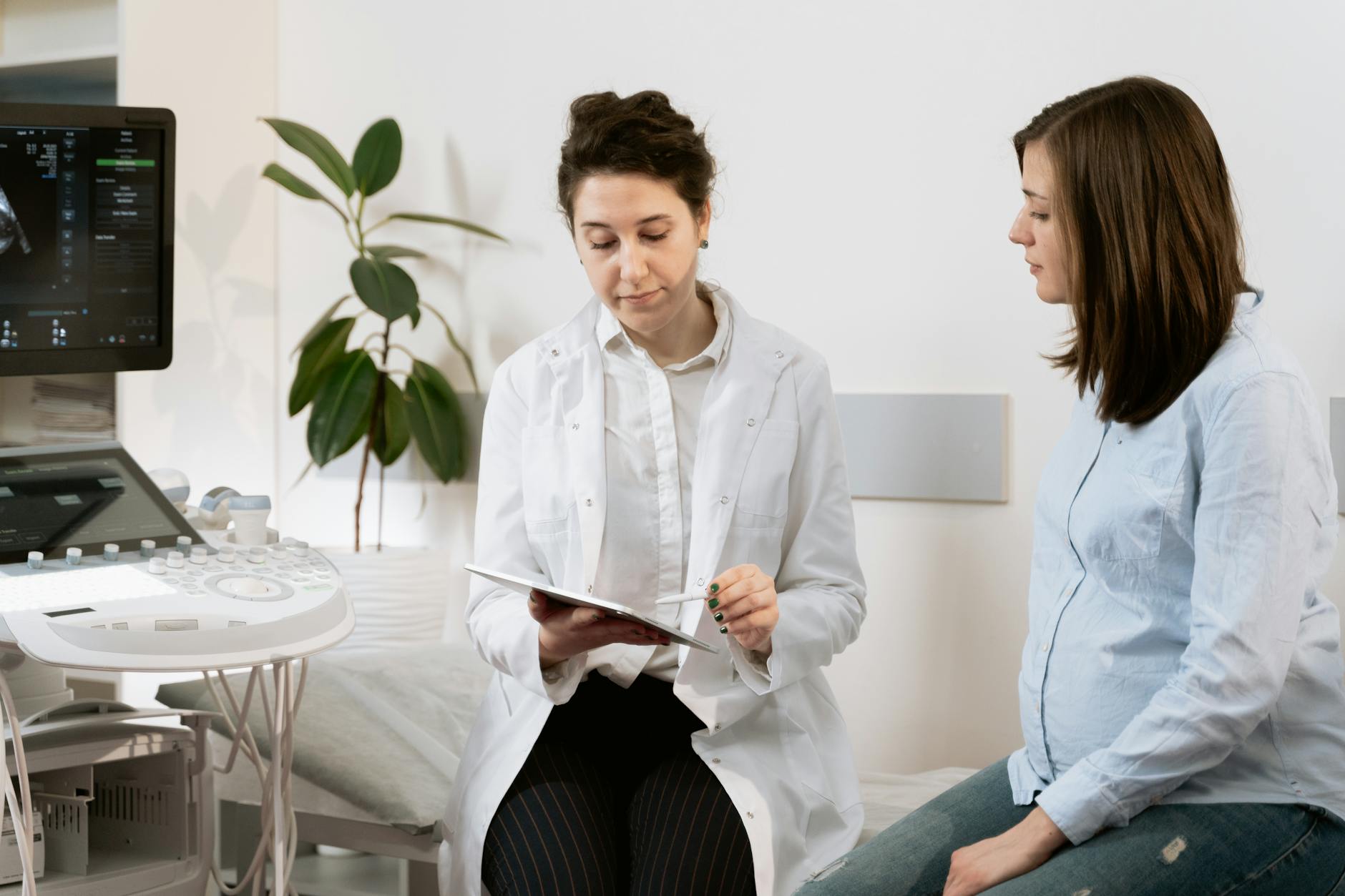
How Effective Are IUDs Compared to Birth Control Pills in Real Life?
The distinction between perfect-use and typical-use effectiveness is where the IUD pulls decisively ahead. With perfect use, the pill and the IUD are nearly identical — both exceed 99 percent. But no one lives a perfect-use life. People travel across time zones, get stomach viruses that interfere with absorption, fall asleep before remembering their pill, or simply run out of refills at inconvenient times. Under these realistic conditions, the pill’s effectiveness drops to about 91 percent. The IUD’s effectiveness does not budge, because the device is already in place and working regardless of what the user does or forgets to do. However, if you are someone who already takes a daily medication at the same time every day — say, a thyroid pill or a blood pressure drug — adding a birth control pill to that routine may not be the burden it is for others.
Some women genuinely have no trouble with daily pill adherence, and for them, the effectiveness gap narrows considerably. The issue is that most people overestimate their own consistency. Research on medication adherence across all drug categories consistently shows that humans are worse at taking daily pills than they believe themselves to be. This is especially relevant for anyone experiencing early cognitive changes, brain fog from stress or sleep deprivation, or the mental exhaustion that comes with caregiving responsibilities. It is also worth noting that certain medications and supplements can reduce the pill’s effectiveness — St. John’s wort, some anti-seizure drugs, and certain antibiotics among them. IUDs are not affected by other medications, which makes them a simpler choice for women managing multiple prescriptions.
What Types of IUDs Are Available and How Long Do They Last?
There are currently five IUDs approved for use in the United States, and they fall into two categories: hormonal and copper. The hormonal options include Mirena and LILETTA, which are effective for up to eight years; Kyleena, a lower-dose hormonal IUD effective for up to five years; and Skyla, the lowest-dose option, effective for up to three years. The copper option is Paragard, which contains no hormones at all and lasts up to ten years. The hormonal IUDs release small amounts of levonorgestrel directly into the uterus, which means systemic hormone exposure is far lower than with the pill. Many women on hormonal IUDs experience lighter periods or stop menstruating altogether, which is a significant quality-of-life benefit for those who deal with heavy or painful cycles.
Gynecologists frequently cite this as a secondary reason for their personal preference — the IUD does not just prevent pregnancy, it often makes periods more manageable. For women with endometriosis or adenomyosis, hormonal IUDs can be genuinely therapeutic. Paragard, the copper IUD, deserves special attention because it is the only highly effective long-term contraceptive that involves zero hormones. For women who are sensitive to hormonal side effects — mood changes, headaches, libido shifts — or who prefer to avoid synthetic hormones for personal or medical reasons, Paragard is a powerful option. The trade-off is that it can make periods heavier and more crampy, particularly in the first few months. This is not a minor side effect for some women, and it is a legitimate reason some gynecologists still choose hormonal options over the copper device.

How Do IUD and Pill Costs Compare in 2026?
Cost is one area where the comparison is less straightforward than effectiveness. An IUD can cost anywhere from 55 to 2,600 dollars as a cash price, depending on location, the specific device, and whether the insertion procedure fee is bundled in. LILETTA, manufactured through the non-profit Medicines360, is often available at reduced cost through public health programs. Birth control pills typically run between zero and 50 dollars per month with insurance, or up to 50 dollars monthly without coverage. Under the Affordable Care Act’s contraceptive mandate, most insurance plans cover IUDs at no out-of-pocket cost, which eliminates the upfront price barrier for the majority of insured women.
When the math is done over the full lifespan of the device — up to eight or ten years of protection from a single insertion — the IUD is dramatically cheaper than years of monthly pill purchases, even at the lowest pill prices. However, if you lack insurance and cannot access a reduced-cost program, the upfront cash price of an IUD can be a genuine barrier that the pill does not present. A 20-dollar monthly pill prescription is easier to absorb than a 1,000-dollar one-time cost, even if the long-term math favors the IUD. For caregivers managing household budgets that already include significant medical expenses for a loved one with dementia or other chronic conditions, the financial calculus is worth running carefully. Some community health centers and Planned Parenthood locations offer IUDs on sliding-scale fees, and it is worth calling ahead to ask about specific pricing before assuming the sticker price applies.
How Has the Dobbs Decision Changed Contraceptive Choices?
The 2022 Supreme Court decision in Dobbs v. Jackson Women’s Health Organization, which overturned Roe v. Wade, triggered a measurable shift in how American women approach contraception. According to reporting from TIME, 21 percent of women said they switched their birth control method after the Dobbs ruling. The logic is straightforward: in states where abortion access has been restricted or eliminated, the consequences of an unintended pregnancy changed dramatically, and many women responded by choosing more reliable, longer-acting methods. The most striking statistic involves permanent sterilization.
A study across four academic medical centers found a 51 percent rise in tubal ligations after the Dobbs decision — from 445 procedures in the comparable pre-Dobbs period to 674 afterward. Notably, more of these patients were younger and had never had children, a demographic that historically rarely sought sterilization. Demand for IUDs, implants, and permanent contraception has remained elevated into 2025 and 2026, particularly in states with the most restrictive abortion laws. This is important context, but it comes with a warning: making a contraceptive decision primarily out of fear rather than informed preference can lead to regret. Gynecologists recommend choosing a method based on your actual medical needs, lifestyle, and reproductive plans — not solely on the political environment. An IUD is an excellent choice for many women regardless of Dobbs, and it was an excellent choice before the decision too. The post-Dobbs surge reflects women finally acting on information that was always available, not a fundamental change in the medical evidence.

When Is the Pill Actually the Better Choice?
Despite the strong case for IUDs, the pill remains the right option for certain women, and honest gynecologists will say so. The pill requires no insertion procedure, which matters for women who have anxiety about gynecological exams, a history of trauma, or medical conditions that make IUD placement more complicated — such as certain uterine abnormalities or active pelvic infections. The pill is also easier to start and stop on short notice, making it practical for women who want contraception for a defined short period, such as between pregnancies or during a temporary life phase.
The pill offers additional non-contraceptive benefits that some women specifically need: it can regulate irregular periods, reduce hormonal acne, and manage symptoms of polycystic ovary syndrome. For some women, these benefits are the primary reason they take the pill, with pregnancy prevention as a secondary consideration. A gynecologist treating a 19-year-old with severe cystic acne and irregular cycles might reasonably recommend the pill over an IUD, even knowing the effectiveness difference, because the systemic hormonal effects are part of the therapeutic goal.
What Does the Future of Contraception Look Like?
Research into new contraceptive methods continues to expand the options available. Longer-lasting hormonal IUDs, non-hormonal gel-based methods, and even male hormonal contraceptives are in various stages of development and clinical trials. The broader trend in medicine — toward interventions that reduce the burden of daily compliance — aligns with the IUD’s core advantage and suggests that set-and-forget methods will only become more popular.
For those in the brain health community, the intersection of hormonal contraception and cognitive function remains an area of active research. Some studies have explored whether long-term hormonal exposure affects dementia risk, mood regulation, and neuroplasticity, though no definitive conclusions have been reached. As the population ages and more women spend decades on contraception before transitioning to menopause, understanding these long-term neurological effects will become increasingly important. Discussing your contraceptive choices with your doctor in the context of your full health picture — including cognitive health — is always a sound approach.
Conclusion
Gynecologists choose IUDs for themselves at rates far exceeding the general population, and their reasons are grounded in the same clinical evidence they share with patients every day. The IUD offers superior real-world effectiveness, years of maintenance-free protection, and — for hormonal versions — meaningful relief from painful or heavy periods. The data is clear enough that roughly half of OB/GYN residents rely on IUDs, trusting the method they study and prescribe most. That said, the best contraceptive method is the one that fits your life, your body, and your medical needs.
If daily pill-taking is easy for you and the non-contraceptive benefits matter, the pill remains a perfectly valid choice. If you want the highest effectiveness with the least daily effort — particularly if you are already managing a complicated medication routine for yourself or a loved one — the IUD is likely the stronger option. Talk to your gynecologist not just about what they recommend, but about what they personally use and why. The answer may surprise you, and it will almost certainly inform your decision.
Frequently Asked Questions
Is IUD insertion painful?
Pain varies widely. Some women describe it as a brief, intense cramp lasting 10 to 30 seconds, while others find it more significantly uncomfortable. Providers increasingly offer local anesthesia, cervical numbing agents, or oral pain medication before insertion. Ask your doctor about pain management options beforehand.
Can an IUD affect mood or mental health?
Hormonal IUDs release levonorgestrel locally in the uterus at much lower systemic doses than the pill. Some women do report mood changes, but large studies have not found a strong consistent link between hormonal IUDs and depression. The copper Paragard IUD contains no hormones and has no direct hormonal effect on mood.
How quickly does fertility return after IUD removal?
Fertility typically returns within one to two menstrual cycles after IUD removal, regardless of how long the device was in place. This is comparable to or faster than fertility return after stopping the pill, and it is one reason gynecologists describe IUDs as immediately reversible.
Are there age restrictions for getting an IUD?
No. IUDs are approved and recommended for women of all reproductive ages, including teenagers and women who have never been pregnant. Older guidelines that restricted IUD use to women who had already given birth have been abandoned by all major medical organizations.
Can I use an IUD if I plan to get pregnant in a year or two?
Yes. While IUDs can last up to ten years, they can be removed at any time. If you are planning pregnancy within a year or two, a shorter-acting option like Skyla (three years) might feel more proportional, but even a Mirena can be removed early without any penalty to future fertility.
Does the pill or the IUD interact with dementia medications?
IUDs do not interact with any oral medications because they work locally in the uterus. Birth control pills, however, can interact with certain drugs metabolized by the liver, including some medications used in neurological care. If you or someone you care for takes multiple medications, discuss potential interactions with a pharmacist or physician.
You Might Also Like
- Depakote vs. Lithium for Bipolar: Which Do Psychiatrists Prefer?
- Strattera vs. Adderall: Is the Non-Stimulant Option Worth It?
- Immunotherapy vs. Chemotherapy: How Oncologists Are Deciding in 2025
For more, see NIH MedlinePlus — dementia.