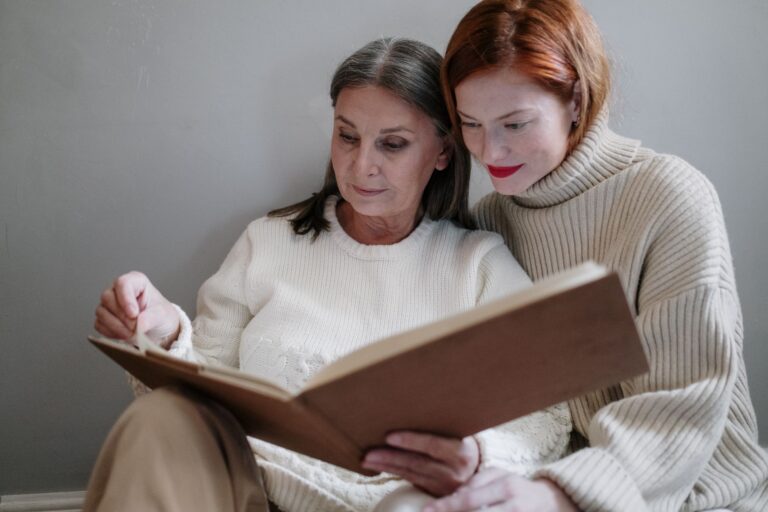
Books for caregivers in 2027 grow on Jan. 1, when renewed 1931 U.S. books become free to copy, share and read.
Public domain means no permission or payment is needed to use the text. For dementia care and brain health readers, that means more classic stories for shared reading, read-aloud time and quiet reading. Caregivers can already get older classics free as ebooks, and the new 1931 group adds familiar names and series starters.
Medical information disclaimer: This article is for general educational purposes only and does not provide medical advice, diagnosis, or treatment. Always consult a physician or other qualified health professional about symptoms, medications, tests, or treatment decisions.
Table of Contents
- Which books become free in 2027?
- Where can caregivers get free classic ebooks?
- How can caregivers use classics during care days?
- What limits should readers know?
Which books become free in 2027?
The 2027 book class includes Pearl Buck's The Good Earth, Woolf's The Waves, Faulkner's Sanctuary and Hammett's The Glass Key, according to The Lost Library in its Public Domain Day 2027 preview. The same list names Christie's The Sittaford Mystery, two original Nancy Drew texts, the first Shadow novel, the original French Babar and the first Maigret. The timing follows the 95-year rule for U.S. works published from 1927 to 1977 with proper notice.
The Lost Library reports in the same 2027 preview that renewed 1931 works stay copyrighted through Dec. 31, 2026 and become free Jan. 1, 2027. This annual turnover is normal: Duke notes in its 2026 Public Domain Day review that thousands of 1930 works entered the public domain on Jan. 1, 2026.
Where can caregivers get free classic ebooks?
Project Gutenberg offers more than 61,000 mainly expired-copyright titles, including Twain, Dickens, Poe, Austen and Wilde, according to the U.S. Department of Veterans Affairs in its guide to free classic ebooks for veterans and caregivers. A caregiver needs only an ereader, tablet, phone or computer to download and keep a copy.
Many libraries also load the same files onto library ereaders. That catalog is useful while waiting for 1931 books to appear in free editions. Newly free books take time to be scanned, proofread and posted. Start with an author the care recipient already enjoys, then check back for 1931 titles after January.
How can caregivers use classics during care days?
Short sessions work best for many households. Pick one scene, poem, chapter or mystery opening. Read aloud slowly, pause often, and let the listener react, remember or rest.
Pair reading with existing caregiver supports. Family Caregiver Alliance maintains free guidance including dementia behaviors, self-care, hiring in-home help and community resources. Use a classic for the activity itself, and use caregiver guidance for the plan around it.
- Choose familiar language and steady plots for calm time.
- Choose dialogue-heavy passages for read-aloud time.
- Choose short stories or single chapters when attention is limited.
- Keep the same book nearby so reading becomes a routine.
What limits should readers know?
Only the 1931 U.S. edition becomes free, not later revisions, translations or adaptations. Trademarks do not expire, other countries use different terms, and most later sound recordings remain restricted.
In music, 1931 compositions are freed while only 1926 recordings enter in 2027. Creative reuse is allowed within those bounds. The Internet Archive invites reuse of 1931 literature, films, cartoons, music and art for its 2027 contest, with 4-minute films using at least one 1931 work eligible for prizes up to $2,000. Check the edition date before printing, recording or sharing a 1931 book.