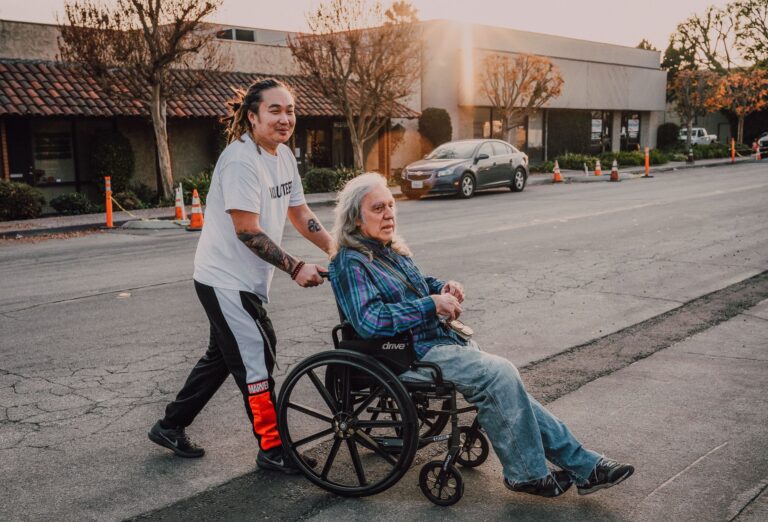
The books that give caregivers the most realistic expectations are Nancy Mace and Peter Rabins's *The 36-Hour Day*, Jolene Brackey's *Creating Moments of Joy*, and Teepa Snow's *Dementia Care Partner Guide*. They explain how thinking and daily function change, what help matches each phase, and how to cope with the strain. Cognitive decline means a lasting loss of memory, judgment, language, or problem-solving that interferes with daily life. Dementia is the broader medical term for that pattern when it stems from brain disease.
Medical information disclaimer: This article is for general educational purposes only and does not provide medical advice, diagnosis, or treatment. Always consult a physician or other qualified health professional about symptoms, medications, tests, or treatment decisions.
Table of Contents
- How does decline usually unfold?
- Which book covers the full caregiving journey?
- How do you stay connected as abilities fade?
- Why does it feel like grief during caregiving?
How does decline usually unfold?
Alzheimer's often moves through early, middle, and late stages, also called mild, moderate, and severe. The average course is 4-8 years after diagnosis and can reach 20 years, with total care needed late, according to the Alzheimer's Association stages guide. Stages still overlap and each person progresses differently.
A reader may see better mornings and harder evenings, or language loss before mobility loss. Expect a direction, not a timetable. That uncertainty shapes what books can usefully do:.
- describe common tasks by stage, from bills and driving to bathing and safety
- flag behavioral symptoms, stress, legal planning, and residential-care choices
- point families toward clinician guidance, support groups, and respite help
Which book covers the full caregiving journey?
The new edition adds research and treatment updates, digital tools and online support, rising care costs, plus checklists and planning tools. Those tools link families to current organizations rather than leaving them with general principles.
Use it as a reference, not a cover-to-cover assignment. Read the chapter that matches this month's problem, then complete one checklist item before moving on.
- The 36-Hour Day*, 8th edition, guides families from early to late-stage dementia across 472 pages. It covers causes, symptom management, new diagnostics, medications, home aides, apps, and burnout prevention, according to the Johns Hopkins University Press book page.
How do you stay connected as abilities fade?
Brackey's *Creating Moments of Joy*, 5th revised edition, teaches families to look beyond deficits and build joyful interactions. It spans early warning signs through late stages and draws on more than 20 years of eldercare work, according to the Purdue University announcement. Snow's *Dementia Care Partner Guide* takes a hands-on approach. It uses her GEMS brain-change model to match help to retained abilities, with color photos, charts, and step-by-step techniques.
The focus stays on what the person can still do. That shift changes daily care. Offer one clear choice instead of an open question. Break dressing into one garment at a time. Sit at eye level, use a calm voice, and allow extra time for a response.
Why does it feel like grief during caregiving?
Family researcher Pauline Boss calls dementia grief ambiguous loss: physical presence with psychological absence. That frame explains why caregivers can feel deep stress and sorrow while the person is still alive. Caregiver roundups often pair practical manuals with emotional supports for this reason. Daily tasks and safety decisions continue alongside sadness, anger, guilt, and exhaustion.
Naming the loss does not fix the workload, but it makes the reaction understandable. Pair reading with outside help. Ask the clinician what change to watch next. Join a support group before a crisis. Schedule respite help for a fixed weekly block.