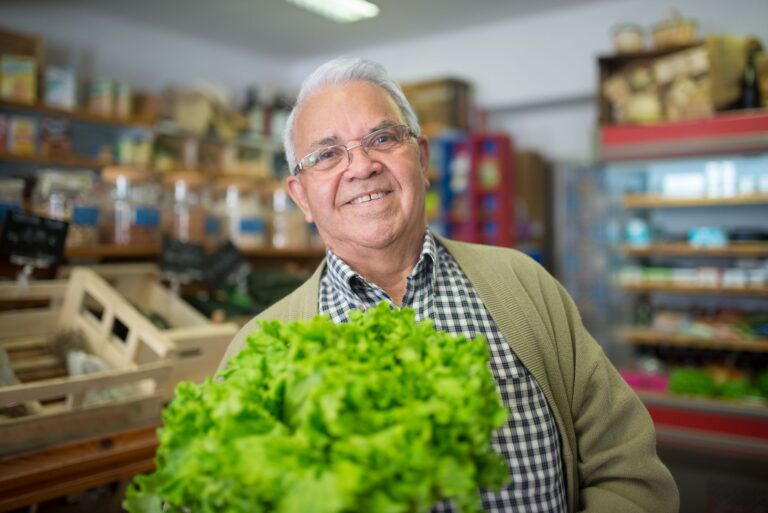
Busy dementia caregivers can serve Mediterranean-style meals without long cooking by using frozen produce, canned beans and fish, premade salads, and olive oil in place of butter. The Mediterranean diet is an eating pattern built on vegetables, fruits, whole grains, beans, nuts, fish, and olive oil as the main fat.
That pattern is linked to better brain outcomes in large observational research. A 2025 meta-analysis reported 18% lower cognitive impairment, 11% lower dementia, and 30% lower Alzheimer's risk with higher adherence, according to GeroScience in the 2025 meta-analysis. A UK Biobank analysis of 60,298 adults also found 23% lower dementia risk for the highest adherers, according to Newcastle University researchers.
Medical information disclaimer: This article is for general educational purposes only and does not provide medical advice, diagnosis, or treatment. Always consult a physician or other qualified health professional about symptoms, medications, tests, or treatment decisions.
Table of Contents
- What does the research show for the brain?
- What belongs on the plate?
- Which shortcuts save the most time?
- How can caregivers eat well too?
What does the research show for the brain?
Observational studies link Mediterranean and MIND eating patterns with healthier aging brains. An NIA-funded autopsy study found fewer Alzheimer's plaques and tangles in older adults who followed those patterns, according to the National Institute on Aging.
Results from trials are less certain. A three-year randomized trial in 604 adults found no significant cognition or MRI difference between MIND diet plus calorie restriction and calorie restriction alone, according to the New England Journal of Medicine in the 2023 trial report. That result does not erase the observational links, but it means diet is supportive rather than proven prevention.
What belongs on the plate?
Aim for variety across the week rather than perfect meals. The brain-focused MIND diet sets weekly targets of at least six servings of leafy greens, two or more servings of berries, and one or more servings of fish, plus daily whole grains, beans, nuts, and olive oil as the primary fat, according to the Academy of Nutrition and Dietetics in the MIND diet guide.
For daily care, the Alzheimer's Association advises varied vegetables, fruits, whole grains, lean protein, and low-fat dairy. It also advises limiting saturated fat, refined sugar, excess salt, and alcohol. Use those limits as simple swaps: poultry or beans for processed meat, fruit for sweets, and water for sugary drinks.
Which shortcuts save the most time?
Keep a short list of no-cook and one-pan parts that combine into many meals. Practical options endorsed by NIA and Harvard sources include premade salads and single portions, swapping butter for extra-virgin olive oil, and using frozen produce plus canned beans and fish, according to the Harvard T.H.
Chan Nutrition Source in the Mediterranean diet guide. Serve the same base to the person with dementia and the caregiver. Offer small portions, soft textures when chewing is hard, and familiar flavors first.
- Stock frozen broccoli, peppers, berries, brown rice, and salmon fillets.
- Stock canned chickpeas, black beans, tuna, and sardines.
- Buy bagged salad, washed spinach, cherry tomatoes, nuts, and whole-grain tortillas.
- Cook once: roast vegetables, cook grains, and open beans for bowls, wraps, and soup.
How can caregivers eat well too?
Caregivers often fall short on healthy eating because time and energy are low. A 2024 survey of informal female dementia caregivers found most were not following the MIND diet, with capability and opportunity barriers, according to Frontiers in Dementia.
Treat caregiver meals as part of care, not extra work. Eat the same Mediterranean parts, keep nuts and fruit visible, and use single portions for lunch. Ask family, friends, or a meal service to cover chopping, shopping, or one dinner each week.