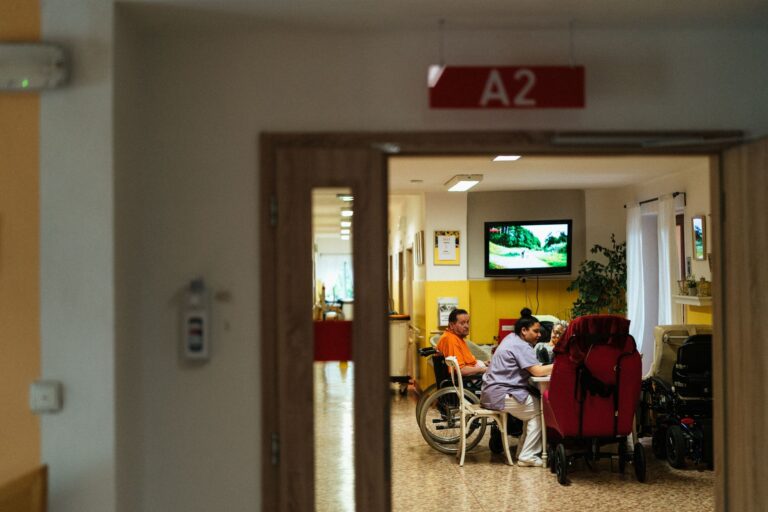
Managing caregiver burnout during the holiday season means cutting back holiday demands, lining up breaks in advance, and asking for specific help. Caregiver burnout is physical and emotional depletion from ongoing care without enough rest, sleep, or support.
For dementia caregivers, holiday change can add confusion, disrupted routines, and extra hosting, travel, and nighttime needs. A 2023 survey reported by Alma found 40% of caregivers worried about their mental health during the holidays Alma's guide to coping with caregiver burnout. Planning a smaller, steadier season protects both the caregiver and the person with dementia.
Medical information disclaimer: This article is for general educational purposes only and does not provide medical advice, diagnosis, or treatment. Always consult a physician or other qualified health professional about symptoms, medications, tests, or treatment decisions.
Table of Contents
- Why the holidays raise burnout risk
- What are early warning signs?
- How can you simplify and share the load?
- Where can you find a break?
Why the holidays raise burnout risk
Shorter days, family expectations, and disrupted routines collide with daily dementia care. Meals, visitors, noise, travel, and late nights can increase agitation, wandering, and sleep problems. The caregiver often absorbs that change while also cooking, cleaning, shopping, and hosting.
Strain builds because care does not pause for celebration. Medication, meals, bathing, toileting, supervision, and calming distress still happen on holidays. Added tasks simply stack on top of an already full day.
What are early warning signs?
Psychologist Dr. Rebecca Kilpatrick says burnout shows physically as fatigue, exhaustion, sleep disruption, and appetite or weight change, according to the Medical University of South Carolina MUSC article on navigating caregiver burnout. Those body signals mean reserves are low, not that the caregiver is failing.
Watch for them early, especially if dementia-related nights have been broken for weeks. Common warning signs to scan for each week include: If several signs last more than a couple of weeks, treat that as a prompt to reduce duties and get coverage. Tell a clinician, counselor, faith leader, or trusted family member what is changing.
- sleeping poorly, waking unrefreshed, or feeling tired after rest
- eating much more or less than usual
- withdrawing, crying easily, feeling irritable or anxious, or feeling flat and empty
- getting sick more often, missing own appointments, or dreading holiday events
How can you simplify and share the load?
Keep traditions that comfort the person with dementia and pause the rest. Choose one main gathering, shorter visits, familiar foods, low noise, and steady bedtimes. Ask guests to come to you, bring a dish, keep visits brief, and avoid surprise schedule changes. Make help easy to say yes to.
Write one short list with tasks, dates, and times, such as grocery pickup Tuesday, sit with Mom Thursday 2-5 p.m., drive to appointment, walk the dog, or clean bathrooms. People help more when the need is concrete, time-limited, and assigned. Set clear limits in plain words. Say what you will not do, such as overnight hosting, long travel, or cooking for a crowd. For dementia safety, assign one calm person to stay near the person with dementia during gatherings, keep doors secured, and keep a quiet room available for rest.
Where can you find a break?
Schedule respite before you feel desperate. That can mean a family member, friend, neighbor, faith volunteer, paid home aide, or adult day program covering a few hours. Use the time for sleep, a walk, medical care, or time away from caregiving tasks. To find local options, search by ZIP through ARCH's National Respite Locator, a service of the ARCH National Respite Network ARCH respite locator. Listings are incomplete and are not endorsements, so check references, training, dementia experience, costs, and backup plans.
Book holiday coverage early because evening, weekend, and holiday slots fill fast. Another route is the Eldercare Locator, a public service of the U.S. Administration for Community Living for older adults and caregivers Eldercare Locator home page. It can point to local meals, home care, transportation, training, and respite. Call 1-800-677-1116 or enter location on eldercare.acl.gov to get nearby program contacts to call this week.