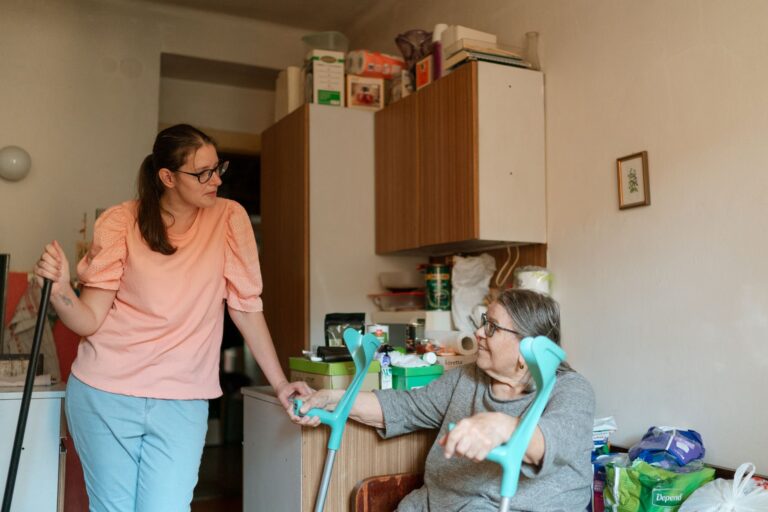
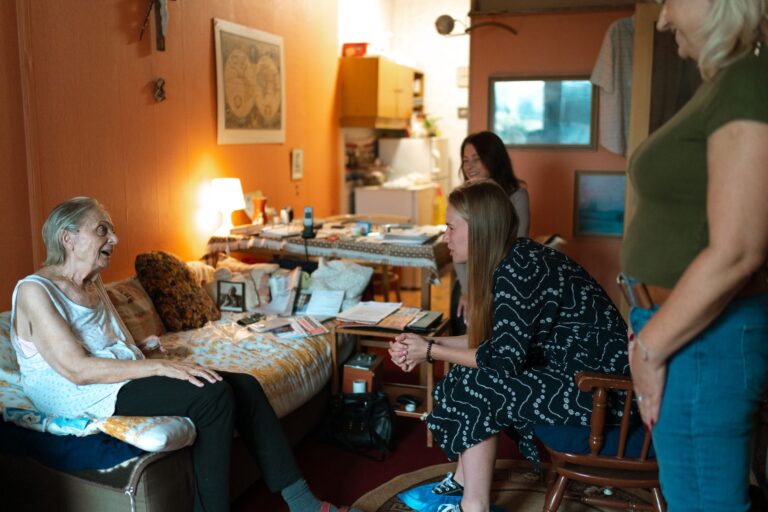
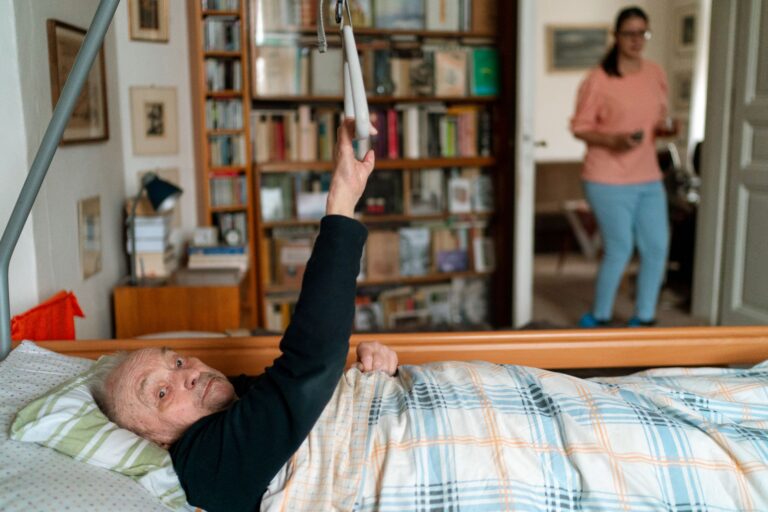
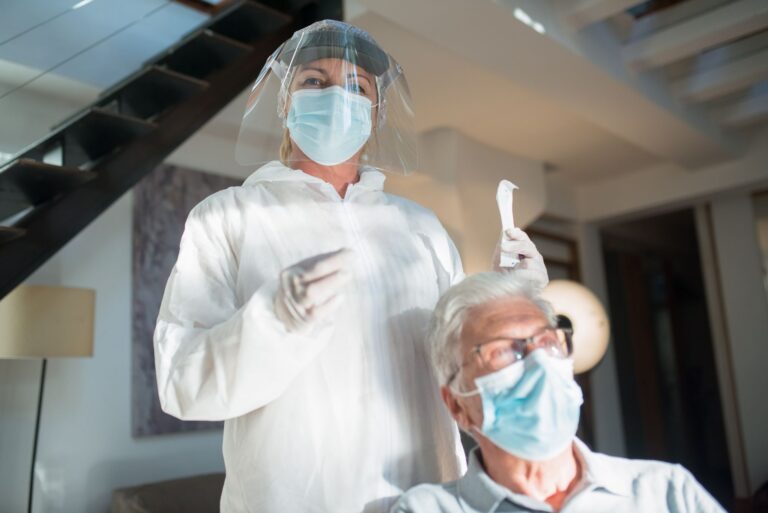
Books on dementia caregiving written by geriatric physicians include seven guides by doctors who specialize in care of older adults. They address daily tasks, medical choices, planning, faith, and needed reforms. Geriatric physicians diagnose and manage memory disorders and support families through long declines. These authors write for family caregivers, not only clinicians, with practical direction for home life and care settings.
Medical information disclaimer: This article is for general educational purposes only and does not provide medical advice, diagnosis, or treatment. Always consult a physician or other qualified health professional about symptoms, medications, tests, or treatment decisions.
Table of Contents
- Which books teach day-to-day dementia care?
- Which books explain medical and care-setting choices?
- Where do faith and system change fit?
- How should caregivers use physician-authored guides?
Which books teach day-to-day dementia care?
Geriatric psychiatrist Peter V. Rabins, professor emeritus at Johns Hopkins, co-authored with Nancy Mace a 432-page family guide for Alzheimer and other dementias, updated in a 2021 seventh edition, according to Johns Hopkins University Press in the seventh-edition family guide. It remains a starting point for behavior, safety, communication, and caregiver strain.
Board-certified geriatric psychiatrist Marc E. Agronin wrote The Dementia Caregiver in 2015 as a training manual for medical, physical, emotional, and practical needs in Alzheimer and other neurocognitive disorders. Geriatric physician Nathaniel Chin wrote When Memory Fades, covering early warning signs, preparation for evaluation, stage-by-stage expectations, and full-support tasks.
Which books explain medical and care-setting choices?
Geriatrician Muriel R. Gillick, with over 30 years caring for older adults, wrote the 400-page The Caregiver's Encyclopedia, according to Johns Hopkins University Press in the caregiver encyclopedia listing.
It teaches dementia, delirium, falls, Medicare coverage, and home versus hospital, nursing-home, or hospice choices. Geriatrician Elizabeth Landsverk, founder of ElderConsult Geriatric Medicine, wrote Living in the Moment, a 272-page 2022 guide for patients and caregivers after a brain-disease diagnosis, according to Penguin Random House in the Living in the Moment listing. It focuses on tools, planning, and moments of joy.
Where do faith and system change fit?
Geriatrician John Dunlop, who practiced geriatric medicine for 38 years, wrote Finding Grace in the Face of Dementia for Christian families. It centers dignified, faith-informed care and finding purpose while loving someone with dementia.
Board-certified geriatric-medicine physician Jason Karlawish of the Penn Memory Center wrote The Problem of Alzheimer's in 2021. He draws on patient homes, caregiver groups, and his own practice to show how science, culture, and politics shaped the crisis and needed care reforms.
How should caregivers use physician-authored guides?
These guides support but do not replace individualized medical advice. Affected family caregivers should use them to prepare questions, organize preventive and long-term-care decisions, and coordinate with clinicians rather than self-direct treatment.
- Write down new symptoms, falls, sleep change, and medication questions before visits
- Compare home help, adult day, assisted living, nursing-home, and hospice options early
- Ask the clinician which tasks need training, such as transfers, feeding, or behavior response
- Bring the relevant chapter or checklist to appointments for focused discussion