Caregivers choose games for wheelchair users with dementia by matching the game to retained capabilities, interests and dementia stage, then simplifying instructions and helping with hard steps rather than testing or correcting. They prioritize participation and comfort over winning, scoring or learning new rules. This approach favors short, familiar, seated activities with clear sensory cues. Caregivers watch response closely and change the game when attention, mood or energy drops.
Medical information disclaimer: This article is for general educational purposes only and does not provide medical advice, diagnosis, or treatment. Always consult a physician or other qualified health professional about symptoms, medications, tests, or treatment decisions.
Table of Contents
- Match the Person Before the Game
- Which Seated Games Work Best?
- How Do You Adapt Play for Wheelchairs?
- When Should You Stop, Simplify or Substitute?
Match the Person Before the Game
Start with what the person can still do, enjoys and tolerates. The occupational-therapy Tailored Activity Program assesses interests and capabilities, prescribes personalized activities and trains families to use them in daily routines to reduce behavioral symptoms, according to the U.S. National Library of Medicine in the Tailored Activity Program feasibility study.
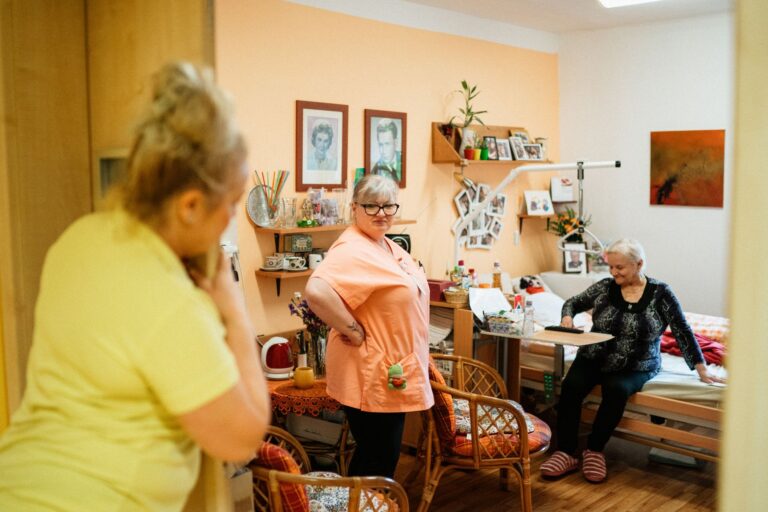
Activities tailored to interest and ability are more likely to decrease behavioral symptoms, especially with normal lighting, moderate sound and few people present, according to a systematic review in the activity engagement review. Keep sessions brief, calm and one-to-one when possible. Choose era-familiar music, prior hobbies, work themes and childhood memories over novel or complex games. For advanced dementia, Israel's Ministry of Health advises culturally familiar leisure, music and game routines alongside support for wheelchair mobility.
Which Seated Games Work Best?
Cognitive Stimulation Therapy uses 14 themed sessions including physical games, sounds, childhood memories, food, faces, word association, numbers and team quiz, according to TEWV NHS Foundation Trust in the Cognitive Stimulation Therapy programme. Caregivers can borrow these themes for short tabletop play. Practical seated choices include large-piece colorful puzzles starting with the frame, bingo matching colors and shapes, era music with percussion or name-that-tune, and table versions of bowls, skittles or ball games, according to Livewell Estates dementia care guidance in the games for people living with dementia guide.
Offer one clear task at a time. Avoid games that need standing, fast reactions, small print or long turns. If sorting, stringing or handling objects calms the person, substitute large, easy-grip items that are easy to see and hold.
How Do You Adapt Play for Wheelchairs?
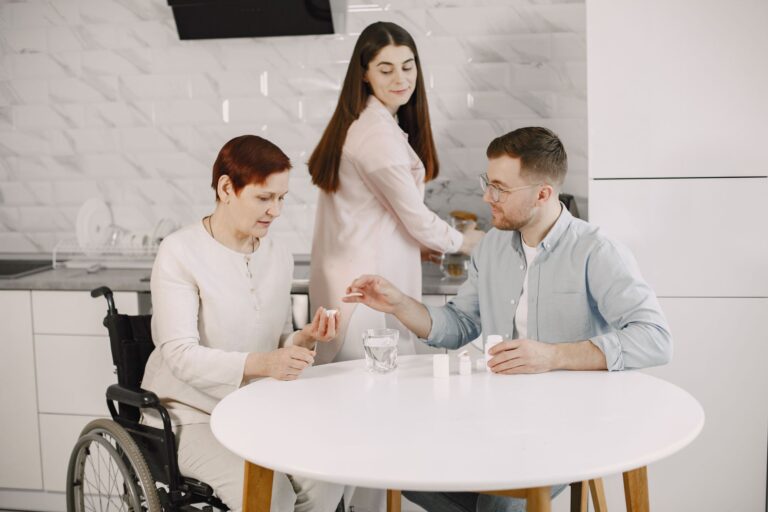
Play seated side-by-side at a stable table with room for the wheelchair. Enlarge pieces, use high-contrast colors, simplify rules and demonstrate each step before asking the person to try.
The same game can work for sensory, hearing or vision loss when caregivers simplify rules, enlarge materials and change course if it is not working. Sit on the person's stronger side, speak plainly and allow extra time.
- Lock wheels and adjust table height first.
- Present two to three large pieces, not the whole box.
- Give one short instruction, show the move, then assist.
- Keep light even, lower background noise and limit visitors.
- End while interest remains and switch if frustration appears.
When Should You Stop, Simplify or Substitute?
Stop when the person looks tired, restless, confused or upset. Do not correct errors or insist on finishing. Offer a drink, music, a short move in the wheelchair or quiet company instead. Watch small objects closely.
Beads for stringing or sorting are affordable and satisfying but pose a swallowing risk for some residents and need supervision or substitution. Replace them with large wooden shapes, scarves, soft balls or oversized cards. For late-stage dementia, keep routines familiar, brief and comforting. Enable safe wheelchair movement, preserve seating comfort and repeat the two or three activities that bring calm recognition.