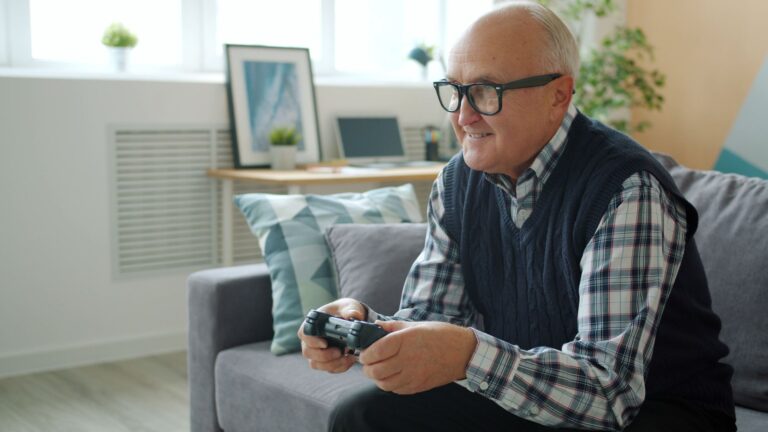
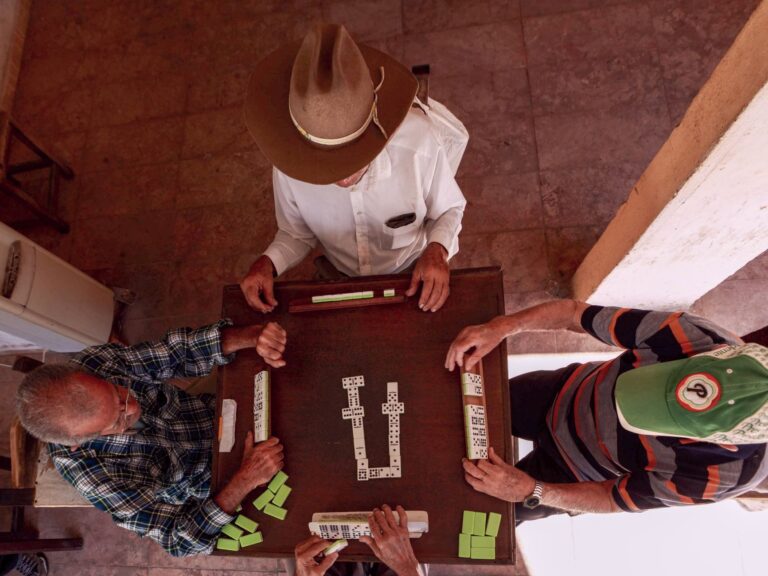
Caregivers use familiar board and card games at family gatherings as a low-pressure way to watch how a relative handles rules, sequences and scorekeeping — not to score their memory, but to notice changes worth writing down. The game is a pretext for observation: it puts a person in front of a multi-step task they used to do easily, in a setting where struggling looks like nothing more than a bad hand.
This matters most for families who see an older relative once or twice a year. The Alzheimer's Association notes on its holidays caregiving page that a gathering may be the first time relatives notice changes in a loved one's memory or thinking, precisely because the gap since the last visit makes a change visible. What a caregiver collects at the table is an informant report, which belongs in a doctor's office — not a verdict delivered over dessert.
Medical information disclaimer: This article is for general educational purposes only and does not provide medical advice, diagnosis, or treatment. Always consult a physician or other qualified health professional about symptoms, medications, tests, or treatment decisions.
Table of Contents
- Why a familiar game shows change that conversation hides
- What to watch for during play
- How to play without turning it into a test
- Write it down, then check it against someone else
- What a real evaluation involves — and why your notes matter in it
- Frequently Asked Questions
Why a familiar game shows change that conversation hides
Conversation is forgiving. People cover gaps with "oh, you know who I mean," change the subject, or let a relative finish the sentence for them. A game is less forgiving, because it has rules that do not bend to politeness. Remembering the rules of a long-loved game can become difficult for someone in early dementia, which is why HuffPost UK reported in December 2024 that board and card games at gatherings can be revealing to an observant family member.
The signal is not losing. It is needing the rules re-explained for a game the person taught the grandchildren, or playing a hand in a way that no longer follows the game's logic. The best games for this purpose are the household's own: the rummy variant with the family's house rules, the dominoes set, the same jigsaw strategy. Novelty is noise. A game nobody has played before tells a caregiver nothing, because everyone at the table is learning it.
What to watch for during play
The Alzheimer's Association lists "challenges in planning or solving problems" among its 10 early signs, describing trouble developing and following a plan, working with numbers, following a familiar recipe, tracking monthly bills, and taking much longer to finish things than before. Game play is the same cognitive shape as a recipe: ordered steps, held in mind, with arithmetic attached.
"Difficulty completing familiar tasks" appears as a separate sign on the Association's 10-signs worksheet, which also notes that a person need not show every sign for a family's concern to be worth raising. Concrete things caregivers watch at the table: Gathering logistics count too. The Association's holidays guidance flags repeatedly asking the same questions about the day's plans, forgetting earlier conversations about them, anxiety about attending an event the person normally enjoys, and withdrawing once they arrive.
- Asking for the rules again mid-game, in a game the person knows well
- Losing the thread of whose turn it is, or playing out of turn repeatedly
- Trouble adding a score or keeping a running total that used to be automatic
- Taking noticeably longer over each turn than in previous years
- Abandoning a strategy partway through, or starting over on the same step
How to play without turning it into a test
Nobody enjoys being quizzed by their own children. Keep the game a game: play for fun, let the relative pick it, and avoid correcting every error or announcing the score discrepancy to the room. If the person is struggling, help quietly — re-explain a rule as though you had forgotten it yourself, or take over the scoresheet without comment. Partner play is useful.
Teaming an adult child with the relative gives natural cover for prompting and lets the caregiver see the gaps up close. Keep the group small and the room quiet; noise and a crowd make anyone slower, and a confusing setting can produce the exact difficulties you are trying to assess. One firm limit: a game outcome is not a result. The BrightFocus Foundation states plainly on its memory games page that its games are not a test for Alzheimer's disease and directs anyone with memory concerns to discuss them with an appropriate professional. The same applies to the kitchen table.
Write it down, then check it against someone else
An observation is only useful if it survives the drive home. University of Kentucky HealthCare's guidance on noticing memory changes when visiting older relatives recommends recording what you saw along with how often it happened, then comparing notes with relatives who see the person more frequently. A single lapse may be ordinary aging, fatigue, a new medication or simply a bad day. Write the specifics rather than impressions. "Asked three times when dinner was, over about an hour" is usable.
"Seemed confused" is not. Note the date, who else saw it, and whether it had happened on previous visits. Then compare. The sibling who visits weekly may say it has been happening for months, which turns one evening into a trend. Or they may say it is new, which is its own useful fact.
What a real evaluation involves — and why your notes matter in it
A diagnosis is built from several pieces, none of them a game. The National Institute on Aging describes the process for how Alzheimer's disease is diagnosed: a detailed history taken from both the person and someone who knows them well, structured memory and thinking tests, a physical and neurological exam, and blood work to rule out treatable causes such as thyroid disease or vitamin B12 deficiency. Cognitive screens flag concern; they do not diagnose on their own.
That "someone who knows them well" is the caregiver, and the role carries real weight. A review published in the NIH's PubMed Central found that informant reports of cognitive change predict the development of Alzheimer's disease better than the person's own self-reports, which correlate poorly with what testing finds. So the practical sequence is short: play the game, note what changed and how often, check it with relatives who see more, and bring those dated notes to the relative's primary care appointment. Ask specifically for a cognitive evaluation and for blood work to rule out reversible causes — thyroid and B12 among them — before anyone concludes anything about dementia.
Frequently Asked Questions
Which games work best for this?
The ones your family already plays. House-rules card games, dominoes, or a long-standing board game let you compare this year's play to previous years, which a brand-new game cannot.
Should I tell my relative what I am watching for?
Watching does not require announcing. Raise the concern later, privately and gently, using specific examples rather than the word "test" — and raise it with their doctor regardless of how that conversation goes.
My relative played fine. Does that settle it?
No. The Alzheimer's Association's worksheet notes that a person need not show every sign for a concern to be worth raising, and gathering-specific signals like repeated questions about the day's plans can appear away from the table.
Could the difficulty be something other than dementia?
Yes. The National Institute on Aging lists blood work to rule out treatable causes, including thyroid disease and vitamin B12 deficiency, as part of a standard evaluation — which is one reason to see a doctor rather than guess.