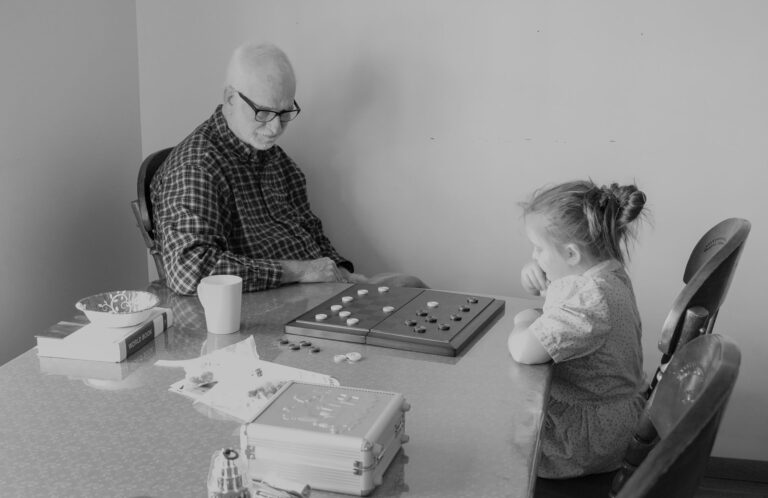
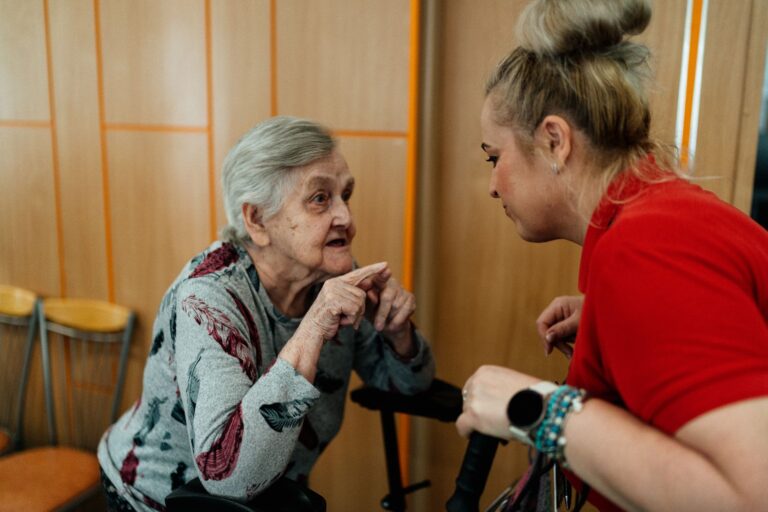
Caregivers can ease holiday visit anxiety by choosing simple, familiar games that include the person with dementia instead of sidelining them. Dementia, a condition that impairs memory and thinking, makes busy gatherings stressful, so short, easy-to-follow play restores calm and connection.
Use games as shared time, not a test. Keep sessions brief, let the person take a visible role, and pair play with other low-pressure activities. The goal is laughter and companionship during a visit that might otherwise feel loud and confusing.
Medical information disclaimer: This article is for general educational purposes only and does not provide medical advice, diagnosis, or treatment. Always consult a physician or other qualified health professional about symptoms, medications, tests, or treatment decisions.
Table of Contents
- Make the visit participatory
- Which games keep the room calm?
- What does research suggest?
- How do you fit the game to the person?
Make the visit participatory
The Alzheimer's Association advises involving the person in simple, safe tasks they enjoy, such as preparing food, wrapping packages, decorating, or setting the table, described in its holiday caregiving guidance. These jobs give the person a clear role before guests arrive. A calm helper also reduces last-minute rushing.
Card and board games extend that inclusion once family and friends gather. The Alzheimer's Association notes in its 2024 gift guide that such games create shared time with the person living with dementia. Puzzle and activity books can sustain quiet engagement between group moments.
Which games keep the room calm?
Choose accessible games with simple rules and large, easy-to-handle pieces. The Alzheimer Society Durham recommends options such as large-print cards, word puzzles, or music-inspired group games that prompt laughter and companionship, listed in its holiday gift ideas.
Familiar formats lower confusion and keep attention on people, not instructions. Good choices for a visit include: Keep rounds short and teams mixed. End while energy is still positive.
- large-print playing cards for short matching or sorting games
- simple word puzzles done together aloud
- music-inspired group games with singing, clapping, or recalling songs
What does research suggest?
A reminiscence-based hybrid board game called Journey of Memories reduced anxiety in a small trial. In a 12-day randomized trial of 38 adults ages 61-75, three sessions significantly reduced anxiety scores in the 20-person experimental group, according to the JoVE study summarized by R Discovery in 2024 in its study summary. Reminiscence means using photos, stories, and familiar prompts to spark memories.
Other group play supports well-being and loneliness. Older adults meeting weekly for three months in groups of four to five to play the make-believe board game Kioku showed increased well-being and reduced loneliness, unlike controls, in a review reported via NIH PMC. The effect came from regular social play, not complex competition.
How do you fit the game to the person?
Match each game to current abilities and dementia stage. The Alzheimer Society Durham cautions that dementia progresses differently, so an ill-fitting choice reduces enjoyment and participation. Watch for fatigue, frustration, or withdrawal and simplify quickly. Crosswords show why fit matters.
In a Columbia-Duke randomized trial of 107 adults averaging age 71 with mild cognitive impairment, 12 weeks of crossword training plus boosters to 78 weeks improved ADAS-Cog scores and daily functioning more than computerized games, reported by NewYork-Presbyterian/Columbia in 2022. A harder digital game is not automatically better. Pick one easy game, seat the person where they can see and hear, and offer a partner role rather than solo turns. Stop the game while it is still fun and switch to snacks, music, or a short walk.