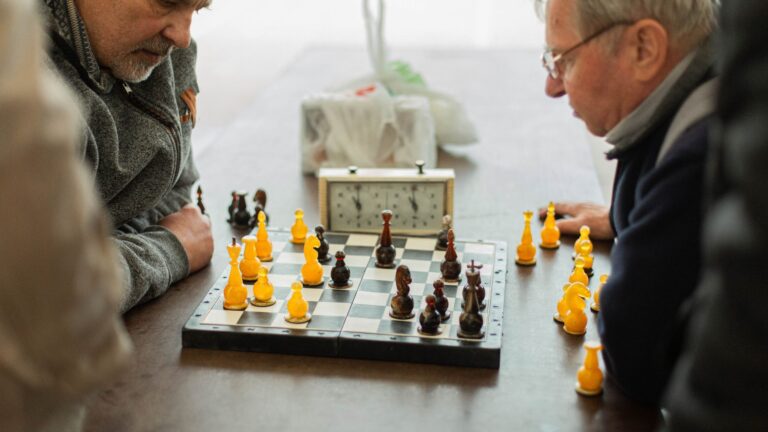
No, caregivers should not trust free memory care game apps to protect memory or slow dementia. Treat these phone and tablet games as recreation and company, not treatment.
Memory care game apps are commercial puzzles and recall tasks sold as brain support. They can provide fun, structure, and shared time. They do not replace medical care or proven risk-reduction steps.
Medical information disclaimer: This article is for general educational purposes only and does not provide medical advice, diagnosis, or treatment. Always consult a physician or other qualified health professional about symptoms, medications, tests, or treatment decisions.
Table of Contents
- What do studies show helps?
- Why do ads promise more?
- What is the hidden cost of free?
- How can caregivers use games wisely?
What do studies show helps?
The NIH-funded ACTIVE trial followed 2,802 adults age 65 and older for 20 years, according to Johns Hopkins researchers. Only speed-of-processing training with booster sessions was linked to 25% fewer dementia diagnoses in Medicare records. Memory training and reasoning training showed no such link. That pattern matches wider expert review.
More than 70 neurology, psychology, and psychiatry experts convened by Stanford Center on Longevity and Max Planck Institute found scant support for brain games, in an Alzheimer's Association summary. Players improved at practiced tasks, without proof of better overall thinking or daily function. The lesson is narrow. Practice sharpens the practiced game. It does not prove stronger memory at home or delayed decline.
Why do ads promise more?
Some ads claimed games would lift work and school results and delay aging decline, dementia, and Alzheimer's. The Federal Trade Commission said Lumos Labs paid $2 million to settle charges that Lumosity ads made those claims without adequate science, in the 2016 settlement announcement.
The Alzheimer's Society UK states that no brain game has been proven to prevent dementia and urges caution about products claiming to prevent or delay decline, in its brain-training guidance. The National Institute on Aging also advises wariness about claims that computer and online games improve memory, in its Alzheimer's prevention guide. It says commercial apps lack enough proof to match structured clinical-trial training.
What is the hidden cost of free?
Free apps often earn through ads, purchases, or data. A 2019 review of 18 cognitive-stimulation apps for people with dementia found 78% gave no clear account of personal-data processing, according to the SCITEPRESS study authors, in the published study paper. That gap leaves families guessing about sharing.
A game may request contacts, location, photos, or tracking across other apps. A person with memory loss cannot easily weigh those prompts in the moment. Check the listing before installing. Open Data Safety on Android or App Privacy on iPhone, read permissions, and skip titles that demand broad access for simple puzzles.
How can caregivers use games wisely?
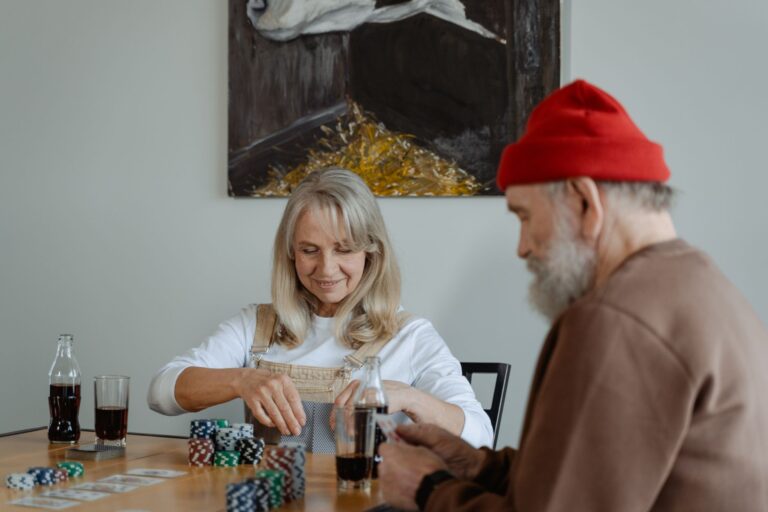
Use the game for mood, routine, and contact. Play together, pick short sessions, and stop when frustration rises.
Keep sleep, movement, social activity, and medical care as the core health plan. Three checks lower risk, according to the Golden Moments brain-health summary: Choose simple controls, large text, no time pressure, and no chat with strangers. Delete apps that push daily streak anxiety or frequent purchases.
- treat the app as play, not therapy
- check store privacy labels and phone permissions before installing
- raise memory worries with a doctor rather than tracking game scores