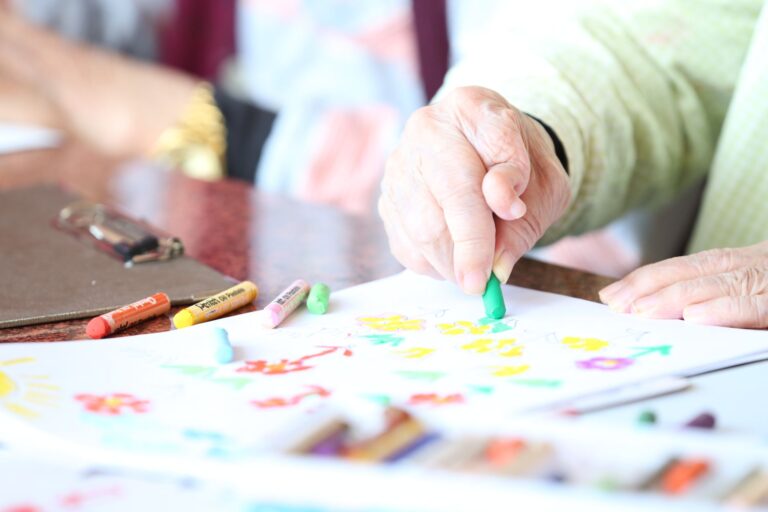
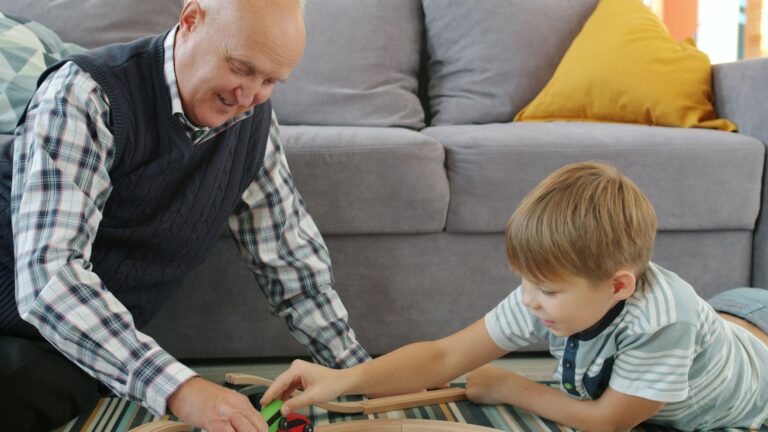
Check for large, soft, simple toys that need no memory, words or instructions, and trial weight carefully. Hand tremor means involuntary shaking that makes grip and aim unsteady. Pick a toy the person can hold, feel and move at once. Match simplicity to dementia stage, with simpler items for later stages.
Medical information disclaimer: This article is for general educational purposes only and does not provide medical advice, diagnosis, or treatment. Always consult a physician or other qualified health professional about symptoms, medications, tests, or treatment decisions.
Table of Contents
- Does added weight reduce tremor?
- Which actions work without memory?
- Which textures calm restless hands?
- How do you check size and safety?
- How should carers trial a toy?
Does added weight reduce tremor?
Added weight does not reliably reduce postural hand-tremor amplitude or frequency. A 16-person Parkinson's randomized trial found no significant differences across weighted conditions, according to the Clinical Rehabilitation trial report. Carers can still trial heavier handles and deeper bowls for eating tasks.
Extra mass and proprioceptive feedback help some users eat independently, but weight can worsen tremor or strain wrists for others, according to the Pisces Healthcare Solutions clinical blog. Watch the person during real use, not just at first touch. Keep the heavier option only when grip looks steadier and the wrist looks comfortable.
Which actions work without memory?
Choose spin, slide, twist, turn and roll actions. These motions need no recall, words or correct answer.
The Alzheimer's Society-funded Fidget Widget Toolkit provides five unrecognizable widgets for those five motions, so advanced dementia users can start without instruction, according to the Alzheimer's Society announcement. Offer one widget at a time. Let the person repeat the same motion as long as it holds attention.
Which textures calm restless hands?
Favor soft, familiar touch over hard or puzzling surfaces. Good options include twiddle muffs, varied fabric pieces and familiar objects. Touch matters because late-stage dementia is felt mainly through the senses.
Gentle contact includes holding hands, gentle hand massage and stroking pets or different-textured fabrics. Swap textures slowly and note which one settles the hands. Remove any item the person pushes away, grips too hard or tries to pull apart.
How do you check size and safety?
Check that sensory toys have no small detachable parts, sharp edges or complex instructions. The toy should feel intuitive immediately. Choose toys at least 1.25 inches diameter and 2.25 inches long, meeting ASTM F963 for sharp points and edges and ASTM D4236 toxicology review, according to the Nemours KidsHealth toy safety guide.
- large enough to grip without fingertip strain
- soft edges with no breakable small parts
- simple action with no steps to remember
- washable surface with no strong chemical smell
How should carers trial a toy?
Start with the simplest texture toy during a calm moment. Sit nearby, offer hand-over-hand help only when wanted, then step back. Trial a heavier handle separately at mealtime with a deeper bowl.
Stop when shaking grows, the wrist bends hard or the person tires quickly. Keep the toy that supports calm grip and independent action. Replace any toy that causes strain, frustration or unsafe mouthing of small parts.