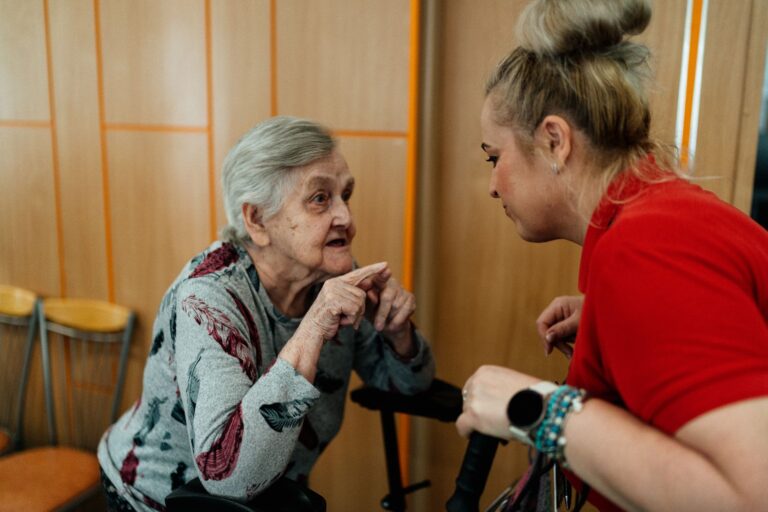
Yes, group games in care homes can ease caregiver burnout. They lift resident mood and calm daily routines, which lowers pressure on staff. Caregiver burnout means physical and emotional exhaustion from ongoing care demands. When residents smile, move, and connect during play, the whole unit feels steadier and easier to support.
Medical information disclaimer: This article is for general educational purposes only and does not provide medical advice, diagnosis, or treatment. Always consult a physician or other qualified health professional about symptoms, medications, tests, or treatment decisions.
Table of Contents
- What changes when residents play together?
- What does recent evidence show?
- Why does this good work stay invisible?
- How can homes make games help staff too?
What changes when residents play together?
University of Kentucky researchers studied group games with music therapy and animal interactions across four Kentucky facilities. They found the enrichment activities boosted resident happiness while reducing stress and burnout for care staff Kentucky study findings.
Residents smiled more, moved their bodies, and socialized better during these activities. That warmer social climate lowered stress across the care environment. Calmer residents need less redirection, fewer urgent interventions, and gentler support.
What does recent evidence show?
Writing in MDPI Social Sciences, Taiwan researchers tested a six-week board-game program with 67 long-term care residents. Compared with usual activities, the program improved cognition and reduced loneliness study record. A University at Buffalo team observed 20 sessions in a Canadian long-term care home.
Board games, music therapy, and group exercise sustained engagement best when staff personalized them Buffalo observation report. The need is large. According to JAMDA, more than 75 percent of long-term care workers reported burnout in the 2024 National Dementia Workforce Study JAMDA report.
Why does this good work stay invisible?
Kentucky staff said they often lacked time to record positive effects. Regulations require detailed notes on falls, illness, and other medical incidents. Joy, laughter, and engagement have no equal reporting slot.
That gap matters for families choosing a home. A chart may show problems while missing daily warmth. Ask how often residents join group play, what choices they get, and how staff share good moments.
How can homes make games help staff too?
Keep sessions short, regular, and matched to ability. Familiar card games, simple board games, sing-alongs, and seated movement work well for mixed groups.
Let residents pick roles that fit memory, vision, hearing, and energy. Ask the activities team which games bring the most laughter on your loved one's unit.
- Match the game to the person, not the diagnosis alone
- Mix thinking, music, and movement across the week
- Keep groups small enough for each voice to be heard
- Track smiles, participation, and calm time after play
- Protect a staff member to lead, not just supervise