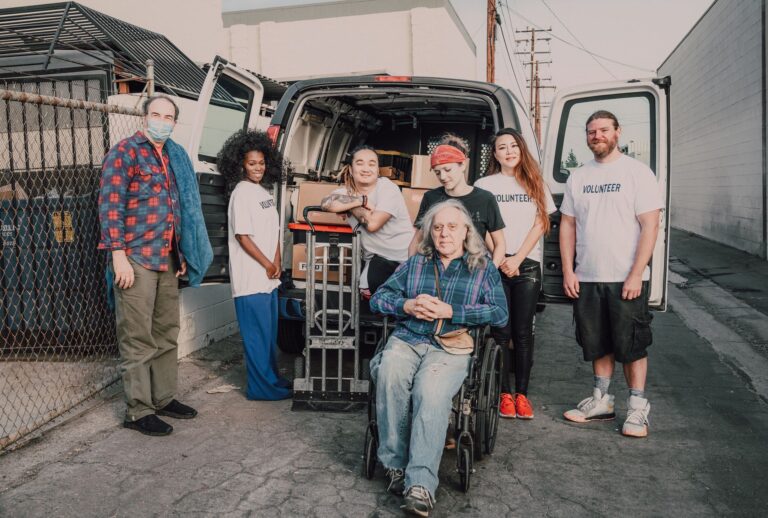
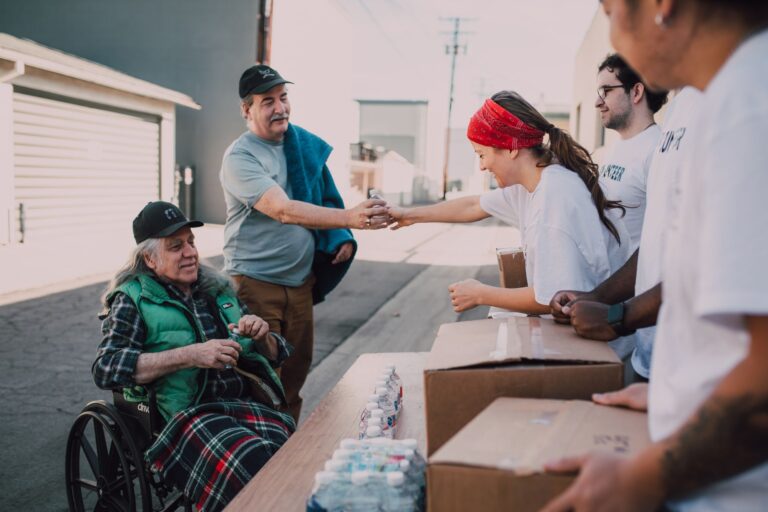
You can build volunteering into dementia prevention routine alongside chronic conditions by choosing low-hour, steady, social roles that fit health limits. A dementia prevention routine means repeatable weekly habits that support memory and thinking while managing other illnesses.
Research links regular helping, varied social activity, and a sense of purpose with better cognitive outcomes. The goal is not extra strain. The goal is a small, protected slot that survives flare-ups and busy care weeks.
Medical information disclaimer: This article is for general educational purposes only and does not provide medical advice, diagnosis, or treatment. Always consult a physician or other qualified health professional about symptoms, medications, tests, or treatment decisions.
Table of Contents
- What does research link to volunteering?
- How much time helps?
- Which volunteer roles fit chronic conditions?
- How do you stay steady through bad health weeks?
What does research link to volunteering?
BMJ Group reports diverse social-activity findings from 57,793 adults in 24 countries linked volunteering and sports-club membership to lower cognitive-decline risk. Doing three or more kinds of social activities, especially with volunteering, was particularly tied to sharp memory and thinking. UT Austin News reports long-term Health and Retirement Study data found sustained volunteering tied to slower decline for APOE-e4 carriers. APOE-e4 means a gene variant linked to higher Alzheimer risk.
Starting and continuing to help outside the home mattered most in that group. UCL News reports the 2024 Lancet Standing Commission listed 14 modifiable dementia risk factors and estimated addressing them could prevent or delay about 45% of cases. UC Davis Health reports higher sense of purpose was tied to about 28% lower risk of mild impairment and dementia. Mild impairment means early, noticeable changes in memory that do not yet block daily life.
How much time helps?
UT Austin News reports benefit required less than about four hours weekly of volunteering or informal help for friends, neighbors, or relatives outside the home. That low dose makes scheduling around fatigue, pain, dialysis, or breathing limits more realistic. In that UT Austin News analysis, people at highest genetic risk who helped others reached significant impairment almost two years later than non-helpers.
Two years means more time handling medicines, appointments, and household tasks independently. Treat two to three hours in one or two blocks as a full dose. Split shifts, seated jobs, and phone-based help count. Skip make-up hours after illness and resume at the next planned slot.
Which volunteer roles fit chronic conditions?
Pick tasks with clear start times, seated options, and easy backup. Good fits include welcome-desk shifts, tutoring calls, food-pantry intake, library shelving, museum guiding, and check-in calls for homebound peers.
Variety helps, so pair volunteering with one other social activity such as a walking group or club. UC Davis Health notes purpose was linked to lower dementia risk but not proven to cause it, so choose work that feels useful rather than chasing a guaranteed effect. Usefulness grows when you see the same people, use a skill, and know who depends on you.
- Ask your care team what standing, lifting, and infection exposure to avoid.
- Choose time-boxed roles with a substitute list and a sit-down option.
- Test one four-week placement before adding a second social activity.
How do you stay steady through bad health weeks?
Build a flare plan with the coordinator in advance. Name your limits, share two backup contacts, and agree you can switch to remote help or cancel without guilt. Short notice is normal in chronic care and should be part of the role.
Track attendance, sleep, symptoms, and next medical visits on one page. Review monthly for patterns such as afternoon fatigue or post-infusion dips. Move your shift earlier, shorten it, or change tasks when the pattern repeats. Keep a one-line log of date, hours, task, and energy after each shift for your next clinic visit.