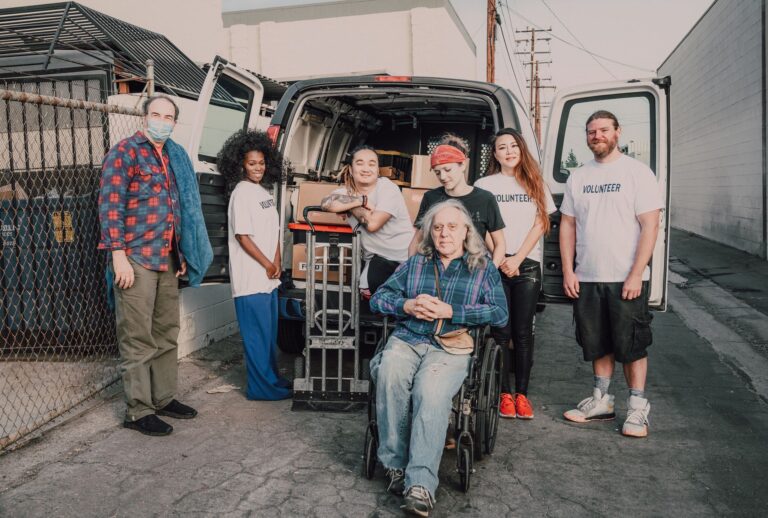
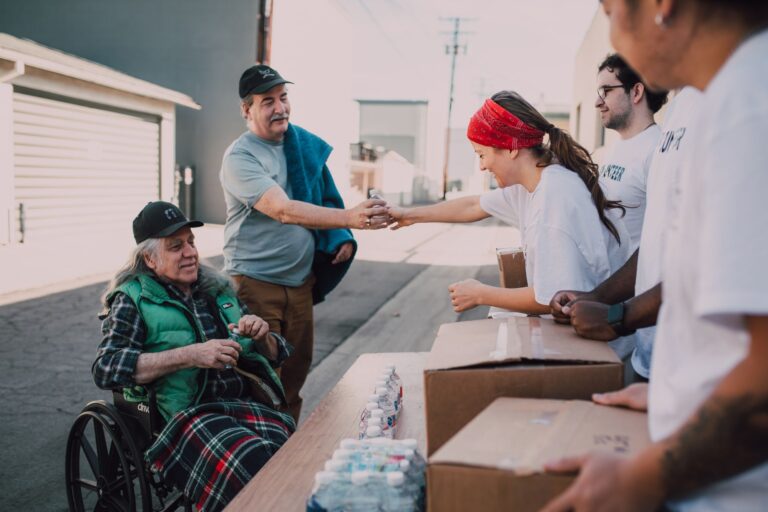
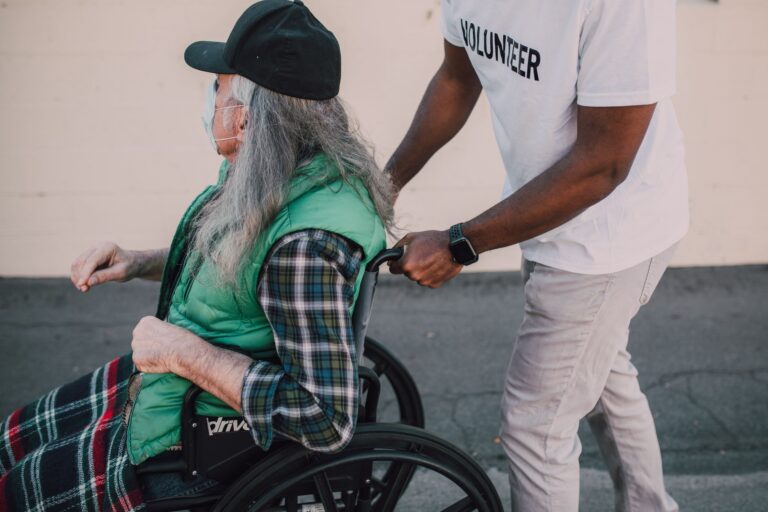
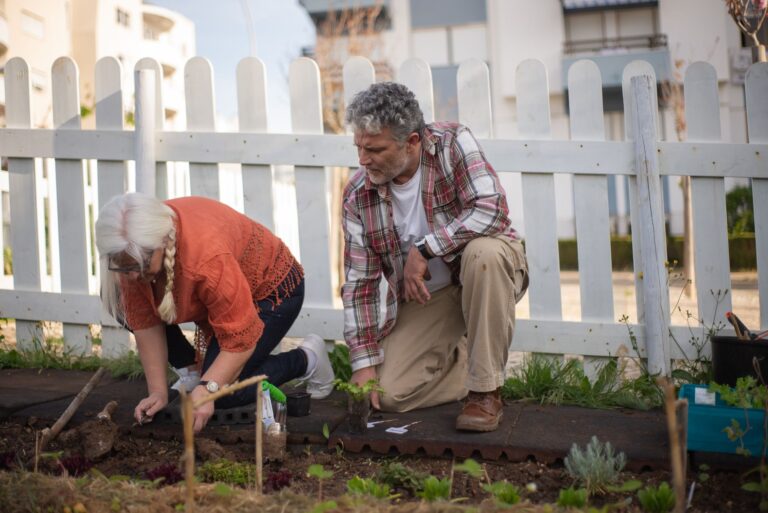
You can build volunteering into a dementia-prevention routine even with limited mobility. People averaging less than about four hours per week of helping showed slower decline when they started and stayed with it, according to the UT Austin UT News report.
APOE e4 is a gene variant that raises Alzheimer's risk. In that same UT Austin analysis of 22 years of Health and Retirement Study data, the link was strongest in carriers. At highest genetic risk, steady helpers reached a screening impairment threshold almost two years later, which makes a small seated habit a practical anchor.
Medical information disclaimer: This article is for general educational purposes only and does not provide medical advice, diagnosis, or treatment. Always consult a physician or other qualified health professional about symptoms, medications, tests, or treatment decisions.
Table of Contents
- How helping relates to memory
- What counts when you cannot travel far
- How to build a weekly routine that sticks
- How to keep it safe and sustainable
How helping relates to memory
Regular volunteering or helping people outside the home was tied to slower memory and thinking decline. The pattern held after researchers followed nearly 18,000 U.S. adults over time.
Starting the habit and sustaining it mattered more than doing many hours. The findings are observational and cannot prove volunteering caused the slower decline. Treat service as one part of a routine with movement, vascular care, sleep, and hearing and vision care, not a guarantee.
What counts when you cannot travel far
Helping does not require driving across town or standing for hours. AmeriCorps Seniors handout from AmeriCorps describes community roles for adults age 55 and older through Foster Grandparent, Senior Companion, and RSVP, including tutoring, mentoring, and companionship.
Phone and video roles fit limited mobility well. The Front Porch Social Call listing on VolunteerMatch matches volunteers with adults 60 and older for weekly 30 to 45 minute phone or video visits after a one-hour virtual training. Other RSVP listings offer phone-buddy check-ins and virtual visits from home.
How to build a weekly routine that sticks
Pick one role you can do seated and repeat it. Two sessions of 60 to 90 minutes per week are easier to sustain than an occasional full day. Ask for a backup task, such as letter writing or call check-ins, for flare-up weeks.
Movement can stay seated or supported. The National Institute on Aging exercise guidance recommends all four types, endurance, strength, balance, and flexibility, with at least 150 weekly minutes of moderate aerobic activity plus muscle strengthening twice weekly. Ask your clinician or therapist to adapt the mix to a chair or walker.
- Choose one phone, video, or seated in-person role with a fixed schedule.
- Block the same two windows weekly and keep travel under 20 minutes.
- Pair helping days with light movement and a regular sleep window.
- Track energy, falls, pain, and mood for one month, then adjust dose.
How to keep it safe and sustainable
Start low and build consistency before adding hours. Choose roles with clear start times, training, and a staff contact. Avoid roles that require lifting, fast transfers, night driving, or noisy rooms that strain hearing and attention.
Recheck blood pressure, diabetes, medicines, sleep apnea, hearing, and vision alongside volunteering. Poor sleep, untreated hearing loss, and out-of-range blood pressure make any routine harder to keep. If helping leaves you exhausted for a full day, switch to a shorter call shift or an every-other-week schedule and call one program this week to ask for a seated or phone role.