Gardening is linked to better cognitive measures in mild cognitive impairment, but studies do not prove it prevents Alzheimer's. Mild cognitive impairment (MCI) means memory or thinking changes that others may notice, while daily independence remains.
Headlines often sound stronger than the research behind them. Families and caregivers need both hope and limits. The findings below show where gardening fits into brain-healthy habits.
Medical information disclaimer: This article is for general educational purposes only and does not provide medical advice, diagnosis, or treatment. Always consult a physician or other qualified health professional about symptoms, medications, tests, or treatment decisions.
Table of Contents
- Does gardening predict recovery from MCI?
- How strong is the population link?
- What do dementia groups recommend now?
- Why might gardening help the brain?
- How can a household with MCI start safely?
Does gardening predict recovery from MCI?
In a four-year Japanese study of 396 community-dwelling adults age 65 and older with MCI, 51% reverted to normal cognition. Fieldwork and gardening predicted that reversion, according to the team reporting in Alzheimer's Research and Therapy.
Reversion is common enough to matter for care planning. The NIA notes that not everyone with MCI develops Alzheimer's, so MCI calls for monitoring and healthy habits rather than alarm.
How strong is the population link?
In 136,748 U.S. adults age 45 and older surveyed in 2019, gardeners had 28% lower odds of subjective cognitive decline than non-exercisers.
They also had 43% lower odds of decline-related functional limits, according to the June 2024 Nutrition Journal study summary. That sample is large, yet its design has a clear limit. The finding is cross-sectional, so it shows a link at one time point rather than proof of prevention, a point echoed in the NIA prevention answers.
What do dementia groups recommend now?
The Alzheimer's Association says exercise may lower Alzheimer's and dementia risk. Its current guidance pairs activity with nutrition, mental engagement, and health checks, as described in the Alzheimer's Association activity guidance.
That guidance calls for at least 150 minutes of moderate aerobic activity each week. Alzheimer's Society UK reports regular exercisers may be up to 20% less likely to develop dementia, with steady midlife activity showing the strongest signal.
Why might gardening help the brain?
A neuroplasticity review in Exploration of Neuroprotective Therapy found gardening groups improved on Korean Mini-Mental State Examination scores. The authors link the gain to combined physical, sensory, cognitive, and social stimulation rather than one single mechanism.
A 2026 scoping review in Frontiers in Dementia adds practical detail. Indoor gardening was tied to improved cognition in one study, and a progressively harder tabletop planting game improved performance in people with mild-to-moderate dementia.
How can a household with MCI start safely?
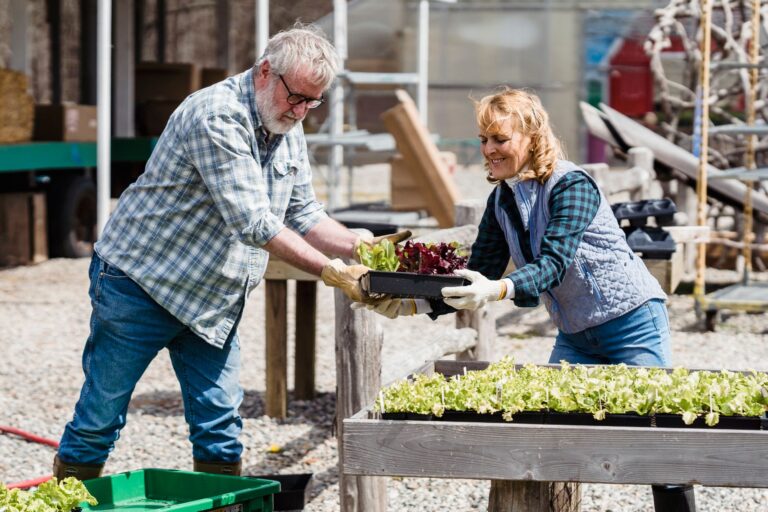
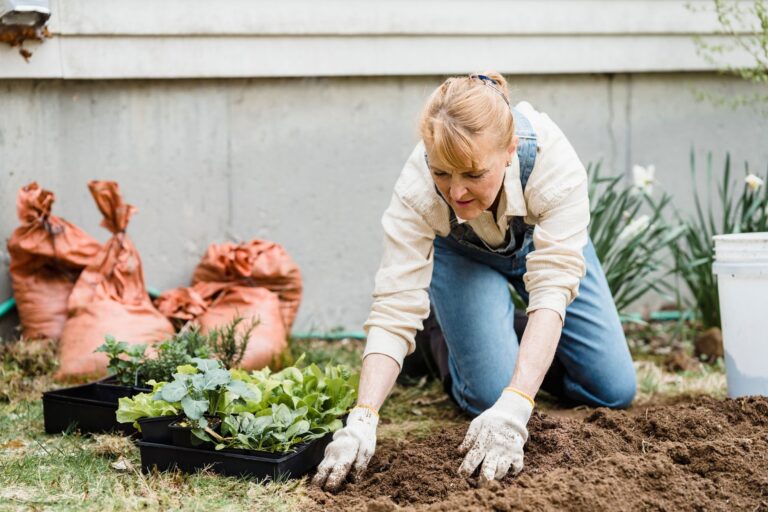
Treat gardening as enjoyable exercise, not therapy by itself. Choose tasks that match strength, balance, and heat tolerance. Start with two supervised sessions this week and track energy, mood, and any memory concerns to share at the next clinic visit.
- Pick raised beds, containers, or indoor pots to cut bending and fall risk
- Schedule short sessions, such as 20 to 30 minutes, toward the weekly activity goal
- Mix movement with thinking: plan beds, follow steps, name plants, work with others
- Adjust for sun, hydration, tools with grips, and stable paths