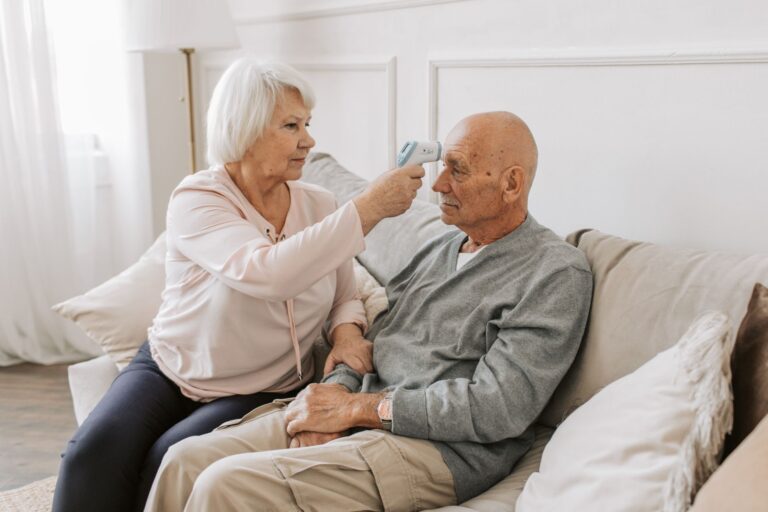
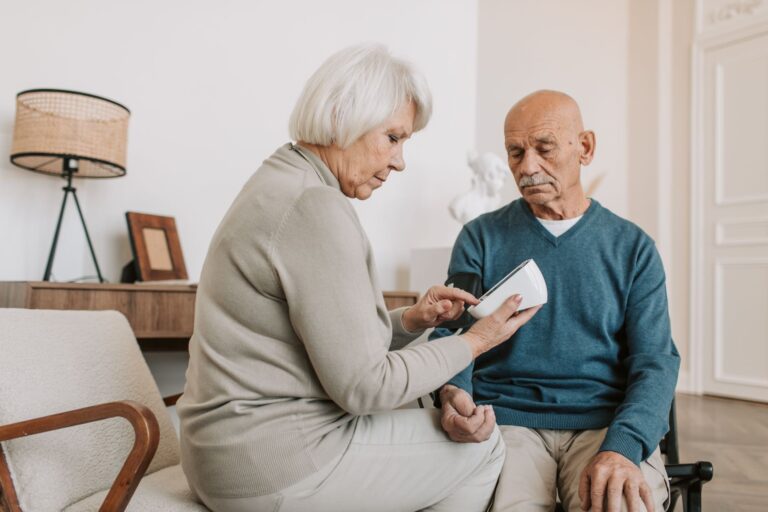
home-based dementia care research prioritizes helping people stay independent at home with practical supports, technology, and social connection. Long-distance caregivers — family members or friends who coordinate care from another city or state — can check whether a Medicare GUIDE team serves their person's neighborhood. The focus reflects the scale of need.
The Alzheimer's Association 2026 Facts and Figures, via PMC, estimated 7.4 million Americans age 65 and older had clinical Alzheimer's dementia, with more than 12 million unpaid caregivers providing about 19.6 billion hours of care in 2025. A USC-led study reported in June 2026 estimated total U.S. dementia costs at $818 billion, with families bearing most of the burden.
Medical information disclaimer: This article is for general educational purposes only and does not provide medical advice, diagnosis, or treatment. Always consult a physician or other qualified health professional about symptoms, medications, tests, or treatment decisions.
Table of Contents
- What is the national direction for home supports?
- What do people living with dementia want studied?
- What helps long-distance caregivers from afar?
- How can you check for GUIDE help locally?
What is the national direction for home supports?
The U.S. Department of Health and Human Services issued an Oct. 22, 2026 National Plan update that replaced six goals with four.
One direction strengthens evidence-based supports such as caregiver support, long-term services, and home- and community-based services. That means home residence is now central to policy, not an afterthought. For readers, the practical effect is more attention to navigation, training, and services that help a person remain at home.
What do people living with dementia want studied?
More than 300 people with dementia and carers in Scotland set five 2026 research Grand Challenges, according to the Heriot-Watt announcement from Heriot-Watt University and CONSOLIDATE. The challenges are independence at home, mobility and travel, dementia-inclusive technology, social connection, and sustainable carer support.
The list is useful as a checklist. Ask whether a local program supports daily independence, easier movement, simple technology, regular contact, and relief for carers.
What helps long-distance caregivers from afar?
NIH-funded LDCare, a 7-session remotely delivered program with psychoeducation plus peer support, showed preliminary feasibility and reduced burden, family conflict, and work disruption for long-distance dementia caregivers, according to the LeadingAge LTSS Center summary. Sessions teach coordination skills and connect participants with peers in similar roles.
That format fits distance caregiving. A reader can ask a local agency, Area Agency on Aging, or caregiver program whether it offers remote coaching or peer groups with the same elements.
How can you check for GUIDE help locally?
Medicare's GUIDE Model pays participating teams for dementia care navigation, 24/7 support access, caregiver training, and respite, according to the CMS GUIDE Model page from the Centers for Medicare & Medicaid Services. Long-distance caregivers can search the CMS participant list for a team near their person's home and request enrollment screening.
Family Caregiver Alliance notes GUIDE requires traditional Medicare, home residence, and dementia diagnosis, with yearly respite funds, telehealth, and a navigator, according to the Family Caregiver Alliance update. Check these points before calling: Have diagnosis details, Medicare type, and home address ready when you contact the local GUIDE team.
- Traditional Medicare enrollment, not Medicare Advantage
- Dementia diagnosis documented
- Living at home, not in a facility
You Might Also Like
- The 2026 NIA Workshop on Comprehensive Dementia Care Models: What Long-Distance Caregivers Can Check in Their Community
- UAS-CLEAR Dementia Care Research Data Priorities in 2026: Why the Findings May Not Change Care Yet for Adult Children
- The $781 Billion Dementia Economic Estimate in the 2026 NIA Report: What Working Dementia Caregivers Can Check in Their Community