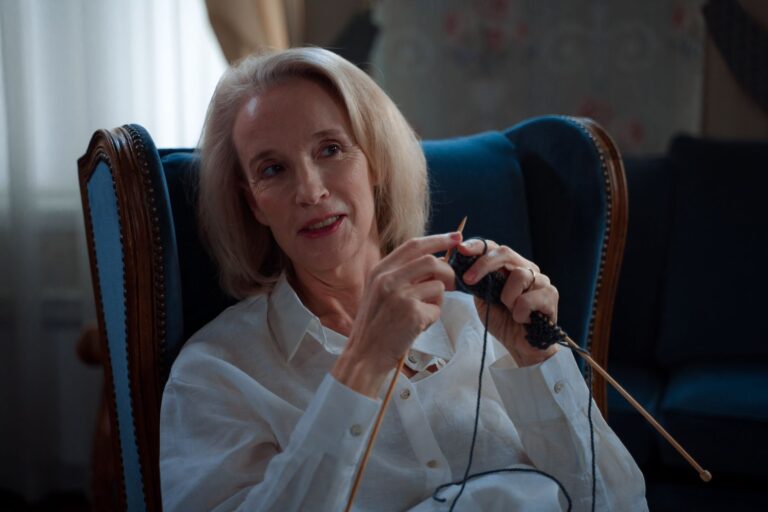
Simple knitting for middle-stage dementia means doing one basic stitch with hands-on help, not completing a pattern alone. Middle-stage dementia means moderate symptoms with more memory loss and need for daily support, and the caregiver turns knitting into a short, guided hand activity. People in this stage can still take part in daily activities when tasks fit current ability, according to the Alzheimer's Association stages guide. This guide shows how to set up yarn, lead each step, and keep expectations kind.
Medical information disclaimer: This article is for general educational purposes only and does not provide medical advice, diagnosis, or treatment. Always consult a physician or other qualified health professional about symptoms, medications, tests, or treatment decisions.
Table of Contents
- Choose tools that are easy to see and hold
- What are the simple steps?
- How do you help without taking over?
- What should success look like?
Choose tools that are easy to see and hold
Pick large, blunt needles and thick, smooth yarn in a bright color. Knitters in middle-stage dementia often need step demonstrations plus easier tools, and larger needles with thicker yarn help grip and visibility, according to Keeping Busy's knitting guide. A short scarf strip or simple square works better than socks or sleeves.
Use safe, non-toxic yarn and avoid sharp metal needles or scissors left in reach. Work at a clear table with good light and one color of yarn. Remove clutter so the hands and stitches stay the focus.
What are the simple steps?
Keep the session to 10 to 20 minutes. Give one short direction at a time, following the Alzheimer's Association advice to break art work into single easy steps with its art and music guidance.
Stay beside the person and pause after each move. Repeat the same words for each stitch. Stop while the mood is still pleasant.
- Cast on 10 loose stitches before the person sits down.
- Place hands on the needles together and slide one stitch.
- Wrap the yarn once while you point to the loop.
- Pull the new stitch through and push the old one off.
- Repeat the same stitch to make a few rows.
How do you help without taking over?
Say what to do in five words or fewer. Show the move on your own needles, then guide the person's hands only if touch feels welcome.
Let partial help count as success. You can cast on, fix dropped stitches, and turn the work. Praise steady trying, name the color and texture, and offer a break for water or rest.
What should success look like?
Treat knitting as time together, not as therapy that changes memory. Knitting does not reverse Alzheimer's progression, so caregivers should stress process over finished product, according to Hovi Care's overview.
A crooked square made with smiles meets the goal. Keep small buttons, beads, and loose decorations out of reach because they can be swallowed. Stay nearby while needles are out and store them away after.