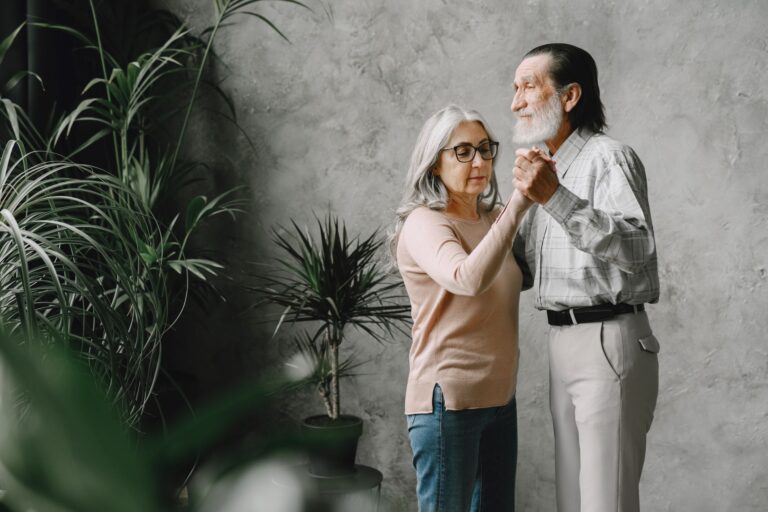
Ask about medical clearance, fall-safe instruction, class structure, and regular attendance before starting dance after age 65. Dancing pairs aerobic movement with step learning, music, and social contact, and studies link frequent participation to better cognitive test scores. Global cognition means overall thinking, including memory and attention. Brief clinic tests such as MoCA and MMSE measure it, and recent reviews report higher scores for dancers than for controls.
Medical information disclaimer: This article is for general educational purposes only and does not provide medical advice, diagnosis, or treatment. Always consult a physician or other qualified health professional about symptoms, medications, tests, or treatment decisions.
Table of Contents
- What does the research show in older adults?
- How much dancing was studied?
- Is dancing different from walking for the brain?
- What should you ask before you join?
- How can dancing fit weekly activity goals?
What does the research show in older adults?
The BMC Geriatrics umbrella review pooled 10 systematic reviews in people with mild cognitive impairment or dementia. It reported that dance raised MoCA scores and MMSE scores compared with control groups.
The same review rated most included reviews as low or critically low quality. Heterogeneity was high for MoCA, so the benefit is promising but the evidence remains weak.
How much dancing was studied?
The Frontiers in Aging Neuroscience review described 469 adults age 75 and older. Frequent dancing three or more times per week was linked with lower dementia risk, while walking showed a weaker link.
Trials with cognitive gains often used sustained group classes, such as twice-weekly sessions for 10 weeks to 6 months. Ask whether you can attend that often, since occasional drop-in classes do not match the tested dose.
Is dancing different from walking for the brain?
A small six-month study compared twice-weekly ballroom dancing with twice-weekly treadmill walking in 25 adults over 65 at higher Alzheimer risk. Both groups improved executive function, but dancers gained more processing speed and showed less hippocampal shrinkage.
A broader review found favorable links for global cognition, memory, and attention, with mixed results for executive function. Styles, doses, and measures varied widely, so no single style has proven best.
What should you ask before you join?
Ask how the class protects balance, joints, and stamina. Ask about instructor experience with older adults and clear step progression.
Bring footwear, hearing aids, glasses, and a list of limits to the first visit. Leave a class that pushes through pain, dizziness, or unsafe floor crowding.
- Can I get medical clearance first for heart, joint, balance, or memory concerns?
- Does the instructor teach fall-safe footing, supports, pacing, and seated options?
- Does the program combine aerobic movement, step learning, music, and social or partner contact?
- Can I attend twice weekly for at least 10 weeks and make up missed classes?
How can dancing fit weekly activity goals?
The CDC guidance for older adults recommends at least 150 minutes per week of moderate aerobic activity or 75 minutes vigorous activity. It also recommends muscle-strengthening on two or more days plus balance activities.
Use dance sessions to count toward aerobic and balance minutes. Add strengthening work on other days if dance class does not include it.