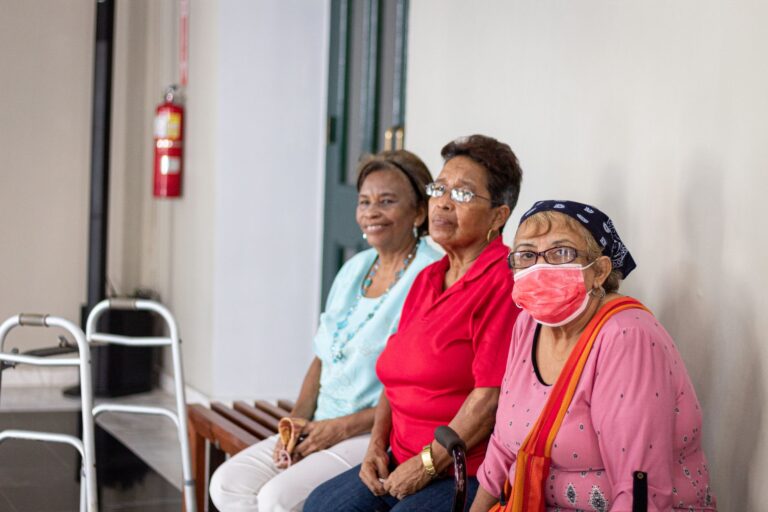
Spouses and partners take part in CMS GUIDE through a patient with dementia who meets program rules. GUIDE, Guiding an Improved Dementia Experience, pairs that patient and an unpaid primary caregiver with navigation and round-the-clock support. CMS runs GUIDE as an eight-year voluntary Innovation Center test from July 1, 2024 through June 30, 2032. It focuses on people living in the community, not on long-term nursing home care.
Medical information disclaimer: This article is for general educational purposes only and does not provide medical advice, diagnosis, or treatment. Always consult a physician or other qualified health professional about symptoms, medications, tests, or treatment decisions.
Official resources:
- Register through CMS’s official page — Use this page to review requirements and register directly.
- Read the official guidance from CMS — Use this primary source to verify the official guidance.
Table of Contents
- Who can enter through the patient?
- What support can a spouse or partner receive?
- How does respite work for July 2026 through June 2027?
- What housing rules should partners check?
- Frequently Asked Questions
Who can enter through the patient?
The patient needs clinician-confirmed dementia and enrollment in Original Medicare Parts A and B, with Medicare as primary payer. The Centers for Medicare & Medicaid Services says Medicare Advantage, PACE, or hospice enrollment disqualifies the patient, according to the GUIDE frequently asked questions.
The patient must live in the community rather than a long-term nursing home. The patient must also align with a participating GUIDE organization serving their ZIP code. Check these points before applying:.
- Original Medicare Parts A and B active, Medicare primary
- No Medicare Advantage, PACE, or hospice enrollment
- Clinician-confirmed dementia diagnosis
- Community residence and local GUIDE participant available
What support can a spouse or partner receive?
A spouse or partner serving as unpaid primary caregiver can receive a care navigator, 24/7 support line, caregiver education, and referrals. Manta Care reports these GUIDE services cost $0 for the caregiver, according to its August 2026 program summary.
The navigator helps coordinate appointments, medications, and community resources. Education builds skills for daily care, safety, and behavior changes.
How does respite work for July 2026 through June 2027?
For that program year, respite is capped at $2,625 per patient. It requires moderate-to-severe dementia plus an unpaid caregiver in a private home, according to the July 2026 CMS learning-network fact sheet.
Respite gives the caregiver short breaks while the patient receives supervised care. Spouses should confirm the dementia tier and home setting before scheduling breaks.
What housing rules should partners check?
From July 1, 2026, memory-care-unit residents are ineligible for GUIDE. Assisted-living residents need a CMS-approved partnership, and that residential tier is excluded from respite, according to the AHCA/NCAL update on residential rules.
Manta Care reported 246 participants in August 2026, so local availability varies by ZIP code. Confirm Original Medicare status, a nearby GUIDE participant, and respite tier before planning caregiver breaks.
Frequently Asked Questions
Can I join GUIDE if my spouse has Medicare Advantage?
No. The patient must have Original Medicare Parts A and B as primary payer, with no Medicare Advantage, PACE, or hospice enrollment.
Do we qualify if my partner lives in a memory care unit?
No. From July 1, 2026, memory-care-unit residents are ineligible.
Does assisted living allow respite?
No. Assisted-living residents need a CMS-approved partnership to participate, and that tier is excluded from respite.
You Might Also Like
- CMS GUIDE and Other Dementia Care Models Under Review in 2026: What the Update Means for Spouses and Partners
- CMS GUIDE Dementia Care Payment Changes in 2026: Eligibility and Participation Questions for Spouses and Partners
- UAS-CLEAR Dementia Care Research Data Priorities in 2026: What the Findings Mean for Adult Children