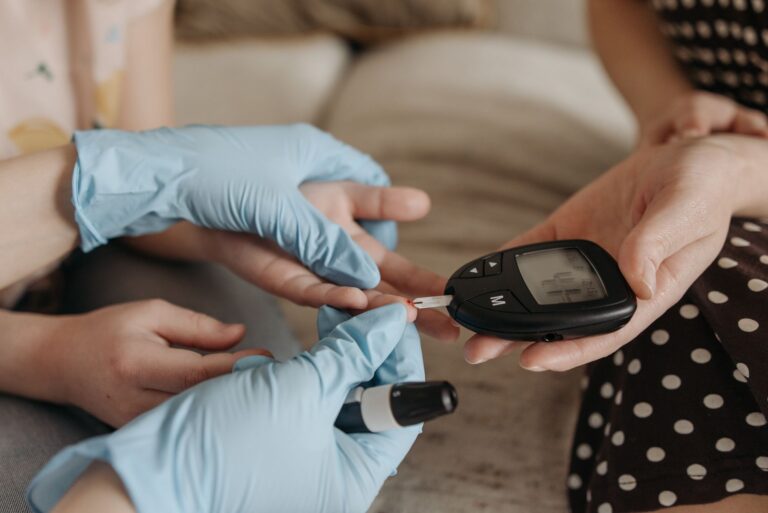
Adults over 65 can protect memory by managing high cholesterol, now listed among modifiable dementia risks in the 2026 World Health Organization guideline. According to the Organization in its WHO news release, up to 45% of dementia risk could be prevented or delayed through risk-factor action. LDL, often called bad cholesterol, travels in blood and can build up in arteries. Managing it helps heart and brain health because the same vessel damage that strains the heart reduces blood flow to the brain.
Medical information disclaimer: This article is for general educational purposes only and does not provide medical advice, diagnosis, or treatment. Always consult a physician or other qualified health professional about symptoms, medications, tests, or treatment decisions.
Official resources:
- Read the official guidance from CDC — Use this primary source to verify the official guidance.
- Read the official guidance from Who — Use this primary source to verify the official guidance.
Table of Contents
- Why the guideline names cholesterol
- What does the link prove today?
- What does a realistic cholesterol check include?
- How can movement fit a week after 65?
- How do you keep heart and brain care together?
Why the guideline names cholesterol
The World Health Organization groups high cholesterol with hypertension, diabetes, smoking, inactivity, hearing loss and air pollution. It urges management of cardiometabolic conditions to protect brain and heart health together. The 2024 Lancet Commission added high LDL from around age 40 as a new dementia risk.
According to the University of Cambridge in its Cambridge public-health summary, it accounts for about 7% of dementia cases worldwide. For adults now over 65, that history matters because vessel injury builds over years. Lowering later risk still starts with what narrows or protects vessels today.
What does the link prove today?
Most cholesterol-dementia studies track groups over time and find an association. Association alone does not prove that lowering cholesterol at 70 alone prevents dementia.
A 2025 Lancet evidence review summarized by Solenna flags the same caution. A large NIA-funded trial described by the Duke Clinical Research Institute is testing atorvastatin in adults 75 and older without heart disease or dementia. Treat cholesterol care as heart care with a possible brain benefit.
What does a realistic cholesterol check include?
The March 2026 American College of Cardiology and American Heart Association guideline keeps statins as first-line therapy. According to the groups in their EBM Focus summary of the guideline, primary-prevention LDL goals run below 100 mg/dL for borderline or intermediate risk. The goal falls below 70 mg/dL for high risk.
A visit after 65 should review the full heart picture, not cholesterol alone. Bring prior results and ask how blood pressure, diabetes, smoking and activity shape your choice. Write down your personal LDL range and recheck date before you leave. Use that note to track refills, side effects and missed doses.
- Bring last lipid panel, blood pressure readings, diabetes results and full medicine list.
- Ask about diet, activity, smoking, hearing and sleep issues that affect follow-through.
- Ask when to recheck lipids and what change would alter treatment.
How can movement fit a week after 65?
The U.S. Centers for Disease Control and Prevention advises at least 150 minutes weekly of moderate aerobic activity like brisk walking. According to the agency in its CDC activity guidance for older adults, adults should add muscle-strengthening on 2 or more days plus balance activities.
The agency notes activity sharpens thinking and improves blood pressure and cholesterol. A simple week could be five 30-minute brisk walks, two short body-weight sessions and brief balance practice. Start low after illness or a fall, and ask your clinician about chest discomfort, dizziness or joint pain.
How do you keep heart and brain care together?
Long-term protection comes from steady control, not one perfect number. Review cholesterol, blood pressure, diabetes, smoking, activity and hearing together because the guideline treats them as joint risks.
Keep one page with your last lipid panel, current doses, activity minutes and next recheck date. Bring that page and ask what LDL range fits your risk and when to review it.
You Might Also Like
- Hearing Aids in the 2026 WHO Dementia Guideline: How Adults Over 65 Can Build a Realistic Brain Health Plan
- Diabetes in the 2026 WHO Dementia Guideline: How Adults Over 65 Can Build a Realistic Brain Health Plan
- Blood Pressure in the 2026 WHO Dementia Guideline: How Adults Over 65 Can Build a Realistic Brain Health Plan