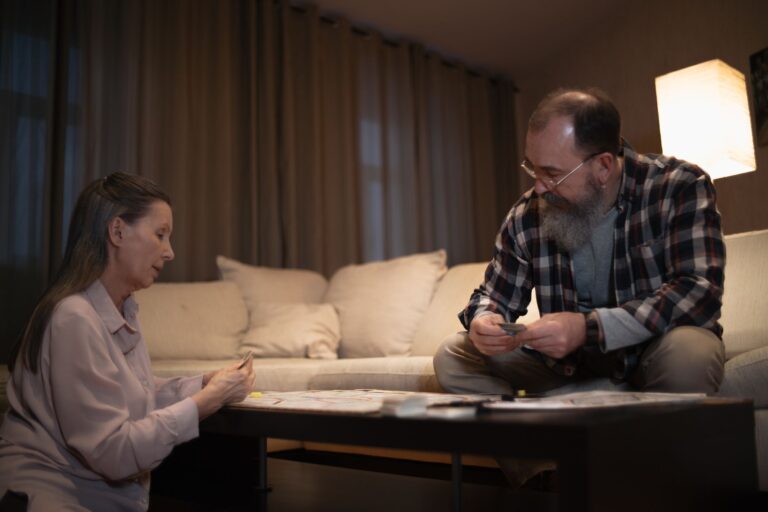
Start the talk early, in a calm moment, using specific examples and caring "I" statements instead of orders. Bring the doctor and an objective driving test into the choice so stopping feels medical, not personal.
Driving retirement means giving up driving for good. People with dementia often do not see their own driving problems, so family members must watch and act at the first signs of trouble, according to the National Institute on Aging driving safety guidance. Early planning keeps a crisis from forcing the decision.
Medical information disclaimer: This article is for general educational purposes only and does not provide medical advice, diagnosis, or treatment. Always consult a physician or other qualified health professional about symptoms, medications, tests, or treatment decisions.
Table of Contents
- Which warning signs mean it is time to act?
- How do you start without a fight?
- Who can make the decision stick?
- What eases life after the keys?
Which warning signs mean it is time to act?
Watch for changes that show judgment, memory, or reaction time are slipping. The Alzheimer's Association lists clear red flags warning signs for unsafe driving.
Act at the first pattern, not after a crash. Note dates and details so you can give examples later.
- Gets lost in familiar places
- Misses traffic signs or signals
- Confuses gas and brake pedals
- Drifts, hits curbs, or shows new dents and scrapes
- Has near-misses or close calls
How do you start without a fight?
Pick a calm, private time before a crisis. The Alzheimer's Association advises families to discuss driving retirement early, with observed examples and caring "I" statements rather than ultimatums.
Say what you saw and how you feel. Try "I felt scared when you missed the stop sign on Elm Street" instead of "You are a dangerous driver." Listen, stay patient, and repeat the talk if needed.
Who can make the decision stick?
Ask the person's doctor to advise against driving. The National Institute on Aging notes that a direct order from a physician, even written as "do not drive" on a prescription pad, often carries more weight than family pressure driving safety guidance.
A comprehensive driving evaluation by an occupational-therapy driver rehabilitation specialist can test vision, thinking, reaction time, and on-road safety. State license rules also vary widely, from retesting to revocation after a dementia diagnosis, so check your motor-vehicle department.
What eases life after the keys?
Build replacement travel before driving stops. The Hartford Center for Mature Market Excellence suggests lining up family rides, friends, public transit, or ride services to keep daily life intact.
Reduce reminders that trigger requests to drive. Keep the car out of sight or disable it, and keep keys away from the door. In early Alzheimer's or other dementia some people can still drive safely, so base the timing on shown ability and medical advice.