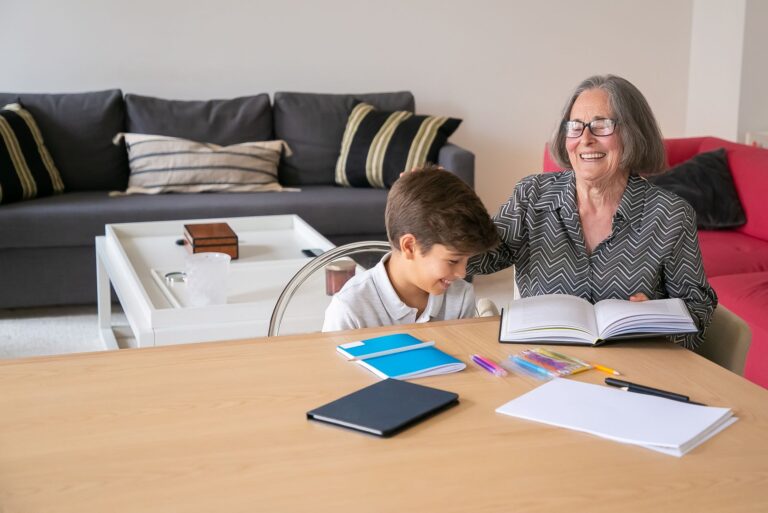
Building learning a new skill into a dementia prevention routine with other chronic conditions means pairing brief, effortful practice with daily disease care. You practice a language, instrument, or challenging reading in short sessions while you manage blood pressure, blood sugar, and cholesterol.
Learning builds cognitive reserve, the brain's backup capacity that helps it keep working despite age-related damage. That benefit grows when practice includes other people and sits inside steady exercise, healthy meals, and prescribed treatment. Up to 45% of dementia risk could be prevented or delayed by addressing modifiable factors, according to the World Health Organization in WHO guidelines.
Medical information disclaimer: This article is for general educational purposes only and does not provide medical advice, diagnosis, or treatment. Always consult a physician or other qualified health professional about symptoms, medications, tests, or treatment decisions.
Table of Contents
- Why Does Learning a New Skill Help?
- How Do Chronic Conditions Fit Into the Same Routine?
- What Does a Realistic Week Look Like?
- What Should You Expect Over Time?
Why Does Learning a New Skill Help?
A genuinely new skill forces attention, memory, and problem-solving in a way familiar puzzles do not. The Emory Goizueta Brain Health Institute reports that learning a language, instrument, or complex reading builds cognitive reserve in ways to help prevent dementia. The benefit grows when practice involves other people.
The World Health Organization recommends cognitive training, cognitive stimulation, and social activities for adults with normal cognition or mild cognitive impairment to reduce decline risk. Choose one skill that is hard enough to cause mistakes. A group class, choir, ensemble, or conversation group adds memory work plus social contact.
How Do Chronic Conditions Fit Into the Same Routine?
The World Health Organization advises controlling hypertension, diabetes, and high cholesterol, with regular activity, a healthy diet, tobacco cessation, and less alcohol. These same steps protect blood vessels in the brain. Poor vascular control can undo part of the gain from mental training.
Link skill time to disease tasks you already do. Check blood pressure or glucose, take prescribed medicine, then start a 20-minute lesson. Keep water nearby, keep snacks matched to your meal plan, and sit with good posture and light if dizziness or neuropathy affects balance.
What Does a Realistic Week Look Like?
Aim for about 150 minutes of weekly exercise, which supports brain volume and lowers harmful inflammation. Spread it as five 30-minute brisk walks, cycling sessions, or adapted chair workouts.
Add two short strength days if your clinician approves. In a two-year structured program of nutrition, exercise, cognitive engagement, and health monitoring, participants improved memory and thinking as if one to almost two years younger, according to the Alzheimer's Association in landmark trial results. Use that pattern on a smaller scale at home.
- Practice the new skill 4 to 5 days for 20 to 30 minutes.
- Move most days, eat vegetables, whole grains, beans, fish, and olive oil, and limit alcohol and tobacco.
- Track blood pressure, glucose, weight, sleep, and practice time in one notebook.
- Meet weekly with a class, friend, clinician, dietitian, or pharmacist for feedback.
What Should You Expect Over Time?
Expect slow gains in recall, focus, and confidence over months, not days. Lifestyle change lowers risk but does not ensure disease avoidance, according to the Alzheimer's Association.
There are still no definitive answers guaranteeing prevention. Keep the routine small enough to survive illness, travel, or caregiving weeks. If blood pressure spikes, chest pain appears, or glucose runs repeatedly out of range, pause added exercise and call your clinician that day.